Your Essential Guide: What to Pack for a Canadian Winter Trip
Canadian winter packing list

Your Essential Guide: What to Pack for a Canadian Winter Trip

Prepare for Canada's stunning winter wonderland with our expert packing advice, ensuring a warm and memorable journey.

Get Your Packing List!

Key Takeaways

  • ✓ Layering is the single most important principle for Canadian winter packing.
  • ✓ Temperatures can drop well below -20°C (-4°F) in many regions.
  • ✓ Waterproof and windproof outer layers are non-negotiable.
  • ✓ Proper footwear prevents frostbite and slips on ice.
  • ✓ Don't forget sun protection, even in winter.

How It Works

1
Understand the Climate

Research the specific region and time of year for your Canadian winter trip. Temperatures and conditions vary significantly across the country.

2
Embrace the Layering System

Plan your outfits around three core layers: a moisture-wicking base, an insulating mid-layer, and a protective outer shell. This allows for adaptability.

3
Prioritize Key Gear

Invest in high-quality waterproof boots, a warm winter coat, hats, gloves, and scarves. These items are crucial for comfort and safety.

4
Pack Smartly

Utilize packing cubes and consider what activities you'll be doing. Don't overpack, but ensure you have enough warm clothing for every day.

Mastering the Art of Layering for Canadian Winters

Portrait of a bearded man in warm winter clothing standing in a snowy landscape, wearing a beanie and sunglasses. Photo: Tima Miroshnichenko / Pexels
Preparing for a Canadian winter trip isn't just about throwing on a thick coat; it's about understanding and implementing the art of layering. This strategy is paramount for staying comfortable and safe in fluctuating cold temperatures. The core principle involves three distinct layers, each serving a specific purpose. Firstly, the base layer, often called the 'next-to-skin' layer, is crucial for managing moisture. Materials like merino wool or synthetic fabrics (polyester, polypropylene) are excellent choices because they wick sweat away from your body. Cotton, while seemingly comfortable, is a poor choice for a base layer in winter as it absorbs moisture and stays wet, quickly leading to a chill once you stop exerting yourself. For warmth, choose a medium-weight base layer. For extreme cold, a heavy-weight option might be necessary. Think long-sleeve tops and long underwear bottoms. Having several sets of these is advisable, especially if you plan on active pursuits like skiing or snowshoeing, where you'll want to change out of damp clothes. Secondly, the mid-layer provides insulation, trapping warm air close to your body. Fleece jackets, down vests, or wool sweaters are ideal for this purpose. The thickness and material of your mid-layer will depend on the expected temperatures and your activity level. A lightweight fleece might suffice for a brisk walk, while a thick down sweater is better for prolonged outdoor exposure in very cold conditions. This layer is your primary source of warmth. You might even opt for two mid-layers if temperatures are exceptionally low, such as a thin fleece under a thicker wool sweater. The beauty of layering is the ability to add or remove these pieces as your body temperature changes, preventing both overheating and chilling. Finally, the outer layer, or shell, is your protection against the elements: wind, snow, and rain. This layer must be both waterproof and windproof. Look for jackets and pants made with Gore-Tex or similar proprietary waterproof-breathable membranes. A good outer shell should have sealed seams, a hood (preferably one that can fit over a hat), and adjustable cuffs and hems to seal out drafts. While insulation in the outer layer is a bonus, its primary job is to create a barrier. Many winter coats combine the insulating mid-layer and outer shell into one garment, but for maximum versatility, separate pieces are often preferred. This allows you to wear just the shell on a milder, windy day, or combine it with different mid-layers depending on the temperature. When choosing your outer shell, ensure it's roomy enough to accommodate your base and mid-layers without feeling restrictive. Remember, a snug fit compromises the insulating air pockets between layers. For more tips on navigating Canada's diverse landscapes, check out our guide on Canadian travel essentials.

Essential Head-to-Toe Gear for Canadian Winter Adventures
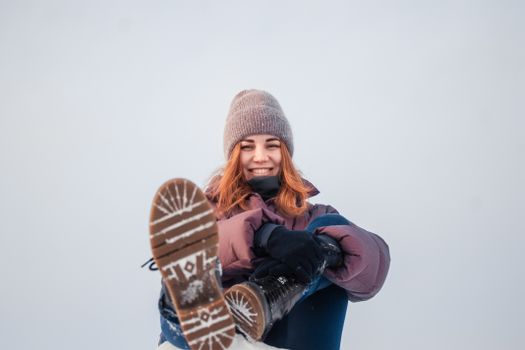
A redhead woman in winter attire smiling while sitting outdoors in the snow. Photo: Sergey Ochkanov / Pexels
Beyond the foundational layering system, specific gear for your extremities is non-negotiable for a Canadian winter trip. Neglecting your head, hands, and feet can quickly lead to discomfort or even dangerous conditions like frostbite. Starting from the top, a warm hat is critical. You lose a significant amount of body heat through your head. Opt for a wool or fleece hat that covers your ears completely. For very cold or windy conditions, a balaclava or neck gaiter can provide additional protection for your face and neck. These are particularly useful if you plan on participating in activities like skiing, snowboarding, or snowmobiling, where wind chill can be a major factor. Consider packing a second, lighter hat or headband for milder days or for wearing indoors if you tend to get cold easily. For your hands, a two-part system is often best: thin liner gloves and waterproof, insulated outer gloves or mittens. Liner gloves, made of silk, wool, or synthetic material, add an extra layer of warmth and allow you to perform fine motor tasks (like using your phone) without exposing your bare hands. Mittens are generally warmer than gloves because they allow your fingers to share warmth, but gloves offer better dexterity. Choose waterproof and windproof outer gloves or mittens with good insulation, such as down or synthetic fills. Look for features like gauntlets that extend over your jacket cuffs to prevent snow from entering. Footwear is perhaps the most crucial item after your coat. You need insulated, waterproof winter boots with good traction. Look for boots rated for temperatures well below freezing (e.g., -30°C or -22°F). The soles should be thick and have deep treads to provide grip on snow and ice. Ensure there's enough room to wear thick wool or synthetic blend socks without the boots feeling too tight, which can restrict circulation and make your feet colder. Avoid cotton socks at all costs, as they absorb moisture and lose all insulating properties when wet. Pack several pairs of high-quality winter socks, changing them daily or whenever they become damp. Consider bringing a pair of ice cleats or microspikes for added traction if you anticipate walking on icy paths or engaging in light winter hiking. Don't forget accessories like sunglasses or ski goggles. The sun reflecting off snow can cause snow blindness and eye strain, even on cloudy days. Sunscreen and lip balm with SPF are also essential to protect exposed skin from windburn and sun. Even in winter, UV rays are potent, especially at higher altitudes or when reflected off snow. A small backpack is also incredibly useful for carrying extra layers, snacks, water, and any personal items you might need during your daily excursions. This allows you to easily shed layers if you get too warm and have them readily available when the temperature drops again.

Beyond Clothing: Essential Gear for Comfort and Safety
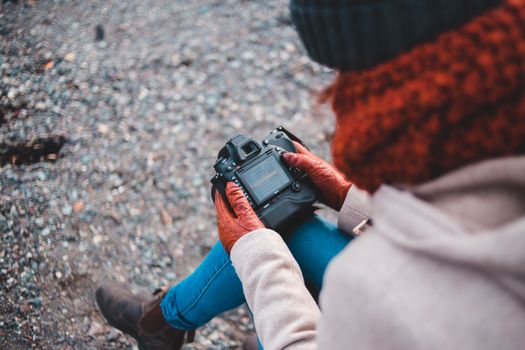
A woman in winter clothing holding a DSLR camera outdoors. Photo: Erik Mclean / Pexels
While clothing is paramount, a successful Canadian winter trip involves more than just warm garments. A few additional items can significantly enhance your comfort, safety, and overall experience. First, consider your toiletries. Cold, dry winter air can be harsh on skin and hair. Pack a rich moisturizer for your face and body, a hydrating lip balm (preferably with SPF), and hand cream. If you're prone to dry skin, a small humidifier for your hotel room can be a lifesaver. Hand warmers and toe warmers, small disposable packets that provide hours of heat, are excellent for extreme cold or for those who get cold easily. They can be slipped into gloves or boots for instant relief. For entertainment and connectivity, ensure your electronics are prepared. Cold temperatures can drain battery life quickly. Portable power banks are essential for keeping your phone, camera, and other devices charged, especially if you're spending time outdoors. Consider insulated cases for your phone if you plan on extensive outdoor photography. A good book, e-reader, or downloaded movies can provide welcome entertainment during cozy evenings or travel days. Don't forget universal power adapters if you're traveling internationally, though Canada uses the same plug types as the US. Safety is another critical consideration. While Canada is generally very safe, winter conditions can present unique challenges. Always let someone know your itinerary, especially if you're venturing into more remote areas for activities like snowshoeing or cross-country skiing. Carry a small first-aid kit with essentials like pain relievers, bandages, and any personal medications. A headlamp or small flashlight is invaluable for navigating in the shorter daylight hours or in poorly lit areas. If you plan on driving, ensure your rental car is equipped with winter tires and that you have an emergency kit, including blankets, a shovel, and jumper cables. Familiarize yourself with basic winter driving tips, such as maintaining greater distances and avoiding sudden braking. For more comprehensive travel preparations, consult our guide on preparing for international travel. Finally, don't underestimate the power of a good water bottle. Staying hydrated is just as important in winter as in summer. A reusable insulated water bottle will keep your water from freezing and can also hold warm beverages like tea or hot chocolate, which can be incredibly comforting on a cold day. Snacks high in fat and protein can also help your body generate heat and maintain energy levels during outdoor activities. Think nuts, energy bars, and dried fruit. By thinking beyond just clothing, you'll be well-equipped for a comfortable, safe, and enjoyable Canadian winter adventure.

Common Mistakes and Smart Packing Tips for Canadian Winter
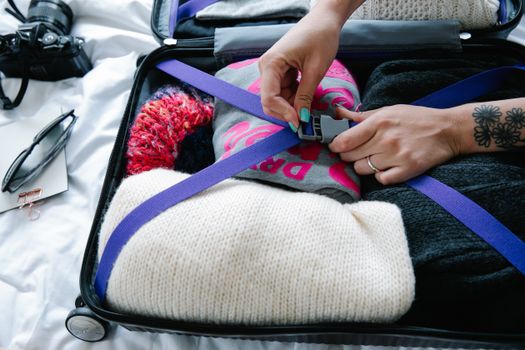
Close-up of hands packing a suitcase with clothes and using a strap for organization. Photo: Timur Weber / Pexels
Even seasoned travelers can make mistakes when packing for a Canadian winter. Avoiding these pitfalls can save you from discomfort and ensure a much more enjoyable experience. One of the most common errors is underestimating the cold. Many visitors from warmer climates simply cannot fathom temperatures of -20°C or -30°C and pack insufficient layers or low-quality outerwear. Always err on the side of packing warmer than you think you'll need. It's easier to remove a layer than to conjure one up when you're freezing. Another frequent mistake is packing cotton for base layers or socks. As discussed, cotton absorbs moisture and loses its insulating properties when wet, making you feel colder. Stick to merino wool or synthetic fabrics for anything that touches your skin. Similarly, many people overlook the importance of waterproof outer layers. Snow isn't always dry; it can be wet, and slush is common in urban areas or during thaws. A water-resistant jacket simply won't cut it when you're spending extended time outdoors. Here are some smart packing tips to ensure your Canadian winter trip is a success: * **Check the specific forecast:** While general advice is helpful, always check the 7-day forecast for your destination closer to your departure date. Winter weather can be unpredictable, and a forecasted mild spell might change your layering needs slightly. * **Roll your clothes:** This saves space and can help reduce wrinkles. For bulky items like sweaters, consider vacuum-seal bags if you have limited luggage space. * **Utilize packing cubes:** These organizational tools are invaluable for keeping your layers separate and tidy, making it easier to find what you need without rummaging through your entire suitcase. * **Wear your bulkiest items on the plane:** Your winter coat and boots take up the most space. Wear them on the flight to free up room in your luggage. This also ensures you're warm upon arrival. * **Bring indoor shoes:** While you'll live in your winter boots outdoors, a comfortable pair of slippers or light shoes for indoor use (hotels, cabins) will give your feet a much-needed break and keep your accommodations clean from melting snow. * **Pack a small repair kit:** A needle, thread, and safety pins can be useful for minor clothing repairs. Duct tape can also fix a torn jacket or boot in a pinch. * **Label your luggage clearly:** In winter, many people have similar bulky black bags. Make yours stand out with a unique tag or ribbon. * **Consider laundry options:** If your trip is long, research if your accommodation offers laundry facilities. Packing fewer items and washing them can save significant luggage space and weight.

Comparison

Item CategoryBest OptionAlternative 1Alternative 2
Base Layer FabricMerino WoolSynthetic (Polyester)Silk
Mid-LayerDown Jacket/VestFleece JacketWool Sweater
Outer ShellWaterproof/Windproof (Gore-Tex)Insulated Ski JacketHeavy Duty Parka
FootwearInsulated Waterproof Boots (-30°C rated)Insulated Snow Boots (-20°C rated)Hiking Boots with Gaiters (milder winter)
Hand ProtectionInsulated Waterproof Mittens + Liner GlovesInsulated Waterproof GlovesWool/Fleece Gloves (milder winter)
Head ProtectionWool/Fleece Beanie + BalaclavaThick Knit HatEar Muffs + Headband
SocksMerino Wool (thick)Synthetic Thermal SocksThin Wool Socks (layered)

What Readers Say

"This guide was a lifesaver for my first trip to Quebec City in January! I followed the layering advice to a T, and it made all the difference in staying warm and enjoying the beautiful snowy streets. Especially appreciated the tip about waterproof boots."

Sarah L. · Toronto, ON

"As a local, I can confirm this packing list is spot on for what to pack for a Canadian winter trip. The emphasis on quality base layers and proper footwear is essential. I always recommend balaclavas for wind protection."

David M. · Vancouver, BC

"Thanks to this detailed article, I packed perfectly for my ski trip to Banff. I was able to spend full days on the slopes without feeling the cold, and the portable charger advice saved my phone battery multiple times for photos!"

Emily R. · Calgary, AB

"Good comprehensive guide, though I found I needed slightly lighter mid-layers for city exploring compared to rural activities. Still, the core advice on layering and waterproof items is incredibly valuable and kept me comfortable."

Mark T. · Montreal, QC

"Coming from Australia, I was terrified of the Canadian winter. This guide gave me the confidence and knowledge to pack smartly. I didn't feel cold once, even during outdoor activities in Nova Scotia. Highly recommend reading before you go!"

Jessica P. · Halifax, NS

Frequently Asked Questions

What's the single most important item to pack for a Canadian winter trip?

The single most important item is a high-quality, insulated, waterproof, and windproof winter coat (outer shell). This will be your primary defense against the cold, snow, and wind, and it needs to be robust enough to handle varying Canadian winter conditions.

Do I really need specialized winter boots, or will regular waterproof boots do?

Yes, specialized insulated winter boots are highly recommended. Regular waterproof boots might keep your feet dry, but they often lack the thermal insulation and deep tread needed to keep your feet warm and prevent slips on ice and snow in Canadian winter conditions. Look for boots rated for temperatures well below freezing.

How do I pack bulky winter clothes without exceeding luggage limits?

To pack bulky winter clothes efficiently, wear your heaviest coat and boots on the plane. Utilize vacuum-seal bags for sweaters and other compressible items to save space. Packing cubes can also help organize and compact clothing, and rolling clothes instead of folding them can also minimize bulk.

Is it worth investing in expensive winter gear for a short trip?

While quality gear can be an investment, your comfort and safety in a Canadian winter are priceless. Consider renting specialized items like ski jackets and pants if you're only going for a short, activity-specific trip. For core items like a good coat, boots, hat, and gloves, investing in quality will make your experience significantly more enjoyable and can be reused for future cold-weather adventures.

What's the difference between 'waterproof' and 'water-resistant' for winter gear?

Water-resistant gear offers some protection against light rain or snow for a short period, but it will eventually soak through. Waterproof gear, often featuring membranes like Gore-Tex and sealed seams, provides a complete barrier against water penetration, essential for prolonged exposure to snow and wet conditions in a Canadian winter.

Who should prioritize what to pack for a Canadian winter trip?

Anyone planning to visit Canada between November and April, especially those from warmer climates or intending to participate in outdoor activities like skiing, snowboarding, ice skating, or even just extensive sightseeing, should prioritize a thorough packing strategy to ensure comfort and safety.

Are there any health risks associated with not packing properly for Canadian winter?

Yes, improper packing can lead to significant health risks, including hypothermia (dangerously low body temperature), frostbite (freezing of body tissues, especially fingers, toes, nose, and ears), and severe discomfort. Adequate layering and protection for extremities are crucial to mitigate these risks.

What future trends are impacting Canadian winter travel packing?

Future trends include a greater focus on sustainable and ethically sourced winter apparel, advancements in lightweight yet ultra-warm insulation materials, and smart clothing with integrated heating elements. There's also a growing emphasis on versatile, multi-functional gear that performs well in a wider range of conditions, reducing the overall packing burden.

Don't let the cold deter you from experiencing the magic of a Canadian winter. By carefully considering what to pack for a Canadian winter trip, utilizing the layering system, and investing in key pieces of gear, you'll be well-prepared for an unforgettable adventure. Start planning your packing list today and embrace the beauty of Canada's snowy season with confidence and comfort.

Topics: Canadian winter packing listwinter travel Canada essentialsstay warm Canada wintercold weather clothing CanadaCanada winter gear
Leo List

IE Escorts NO Escorts US Escorts NZ Escorts AU Escorts
Brampton weed
Adultwork EstrelaBet Vai de Bet R7 Bet Betão Galera Bet Rainbet Bet9ja Shop SportyBet BetKing Sisal Loto Foot Hollywoodbets YesPlay Odibets RushBet Jugabet BetWarrior BetCity MSport betPawa Fortebet