Your Essential Guide: What to Pack for Canada Trip
what to pack for canada trip

Your Essential Guide: What to Pack for Canada Trip

Prepare for any Canadian adventure with this comprehensive packing guide, ensuring comfort and unforgettable memories.

Get Your Packing List

Key Takeaways

  • ✓ Canada's vastness means climates vary drastically by region and season.
  • ✓ Layering is the golden rule for Canadian travel, regardless of the time of year.
  • ✓ Waterproof and windproof outer layers are crucial, especially in coastal and mountainous areas.
  • ✓ Comfortable, sturdy footwear is non-negotiable for exploring Canada's diverse terrain.

How It Works

1
Assess Your Itinerary & Season

Determine your specific destinations within Canada and the time of year you'll be traveling. This is the foundational step for customizing your packing list.

2
Prioritize Core Essentials

Start with foundational items like important documents, medications, and versatile clothing pieces. These form the base of any Canadian packing list.

3
Add Seasonal & Activity-Specific Gear

Layer in items tailored to your planned activities (hiking, city exploration, winter sports) and the prevailing weather conditions. Don't forget region-specific necessities.

4
Review, Consolidate & Pack Smart

Review your entire list, eliminate unnecessary items, and utilize packing cubes or rolling techniques to maximize space. Ensure easy access to frequently used items.

Understanding Canada's Diverse Climates for Optimal Packing
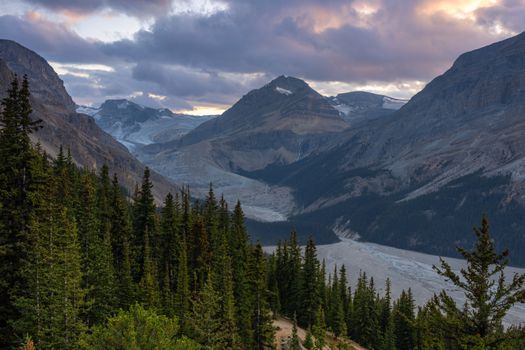
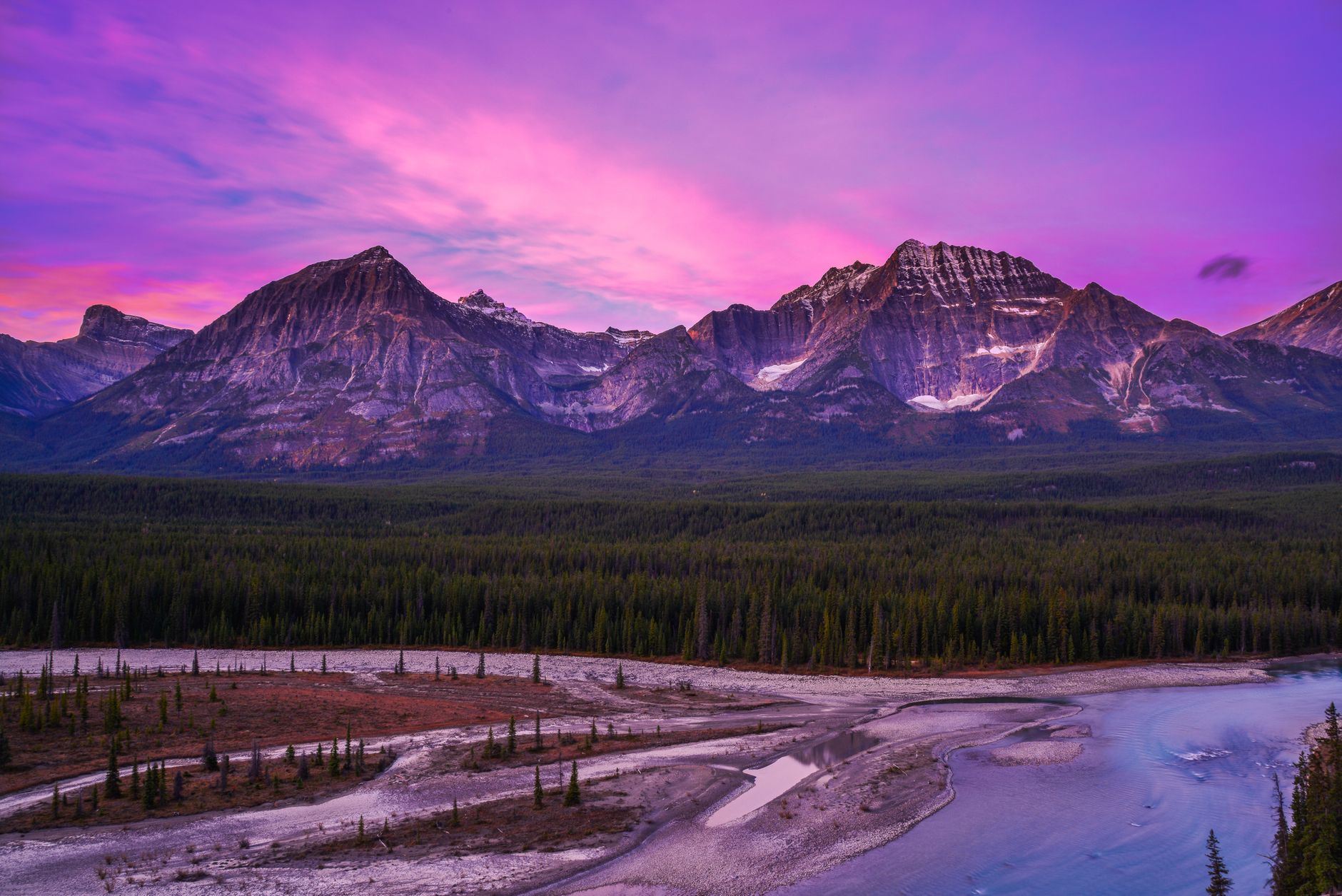
Stunning view of Jasper's mountains and forests under a dramatic twilight sky. Photo: Sergey Guk / Pexels
Canada, the world's second-largest country by land area, boasts an incredible array of climates, making the question of what to pack for Canada trip far more complex than for many other destinations. From the temperate rainforests of British Columbia to the arid prairies, the majestic Rocky Mountains, the bustling urban centers of Ontario and Quebec, and the rugged Atlantic coastlines, each region presents its own unique weather patterns. A trip in July to Vancouver will require vastly different items than a December visit to Quebec City, or even a summer hiking excursion in Banff. Therefore, the very first step in crafting your ultimate Canada packing list is to deeply understand the specific regions you’ll be visiting and the time of year you plan to be there. For instance, Western Canada, particularly British Columbia, experiences milder, wetter winters and drier, warmer summers along its coast, while its interior can have more extreme temperatures. The Rocky Mountains, spanning Alberta and B.C., are notorious for unpredictable weather, with snow possible even in summer at higher elevations. Central Canada, home to Toronto, Montreal, and Ottawa, sees four distinct seasons with hot, humid summers and very cold, snowy winters. The Atlantic provinces have a maritime climate, characterized by cool to mild summers, relatively mild but often snowy winters, and frequent fog and wind. The Prairies (Alberta, Saskatchewan, Manitoba) are known for their extreme temperature swings, with scorching summers and frigid winters, often accompanied by strong winds. And finally, the vast North, encompassing the Yukon, Northwest Territories, and Nunavut, experiences long, very cold winters and short, cool summers with long daylight hours. This geographical and climatic diversity means that a 'one-size-fits-all' packing strategy simply won't work. Before you even think about individual items, dedicate time to researching the average temperatures, precipitation levels, and typical weather phenomena for your exact destinations and travel dates. Websites like Environment Canada or reputable weather apps can provide historical data and forecasts. Are you planning to explore the vibrant city life of Toronto, embark on a multi-day hiking expedition in Jasper National Park, go whale watching off the coast of Newfoundland, or experience the Northern Lights in Yellowknife? Each scenario demands a tailored approach. Understanding these nuances will prevent you from being caught off guard by a sudden cold front in July or wishing you had packed lighter for a surprisingly warm October. It's about being prepared, not overpacked. This foundational knowledge will guide every subsequent decision on your packing list, ensuring you are comfortable, safe, and ready to fully immerse yourself in the Canadian experience. For more regional insights, consider exploring specific guides for Canadian destinations.

Layering: The Golden Rule for Your Canadian Adventure

Portrait of a bearded man in warm winter clothing standing in a snowy landscape, wearing a beanie and sunglasses. Photo: Tima Miroshnichenko / Pexels
Regardless of where or when you travel in Canada, the concept of layering is paramount. Canadian weather, even within a single day, can be notoriously fickle. A sunny morning can quickly turn into a cool, windy afternoon, or a warm summer day can be followed by a surprisingly chilly evening. Effective layering allows you to adapt seamlessly to these fluctuations, ensuring you remain comfortable without the need to constantly change outfits. This principle is especially vital when considering what to pack for Canada trip, as it maximizes the versatility of your wardrobe and minimizes the amount of clothing you need to bring. The layering system typically consists of three main components: 1. **Base Layer:** This is the layer closest to your skin. Its primary function is to manage moisture, wicking sweat away from your body to keep you dry and regulate your temperature. For warmer weather, lightweight, breathable materials like merino wool or synthetic blends are ideal. They dry quickly and resist odors. For colder weather, a thicker merino wool or synthetic base layer provides essential insulation. Avoid cotton as a base layer, especially for active pursuits, as it absorbs moisture and stays wet, chilling you down. 2. **Mid-Layer:** This layer provides insulation and warmth. Depending on the temperature, this could be a fleece jacket, a down vest, a wool sweater, or a lightweight puffer jacket. The mid-layer traps air, creating a barrier against the cold. For summer evenings or cooler days, a light fleece might suffice. For colder conditions, a more substantial down or synthetic insulated jacket is necessary. The beauty of the mid-layer is its easy adjustability – you can add or remove it as needed throughout the day. 3. **Outer Layer (Shell):** This is your protection against the elements – wind, rain, and snow. A good outer layer should be waterproof and windproof, yet breathable enough to prevent you from overheating. Materials like Gore-Tex or similar proprietary technologies are excellent choices. For mild conditions, a packable rain jacket might be enough. For colder, wetter environments, a more robust insulated waterproof jacket is essential. Even in summer, a lightweight, packable rain jacket is a non-negotiable item, especially if you plan on exploring national parks or coastal areas where sudden showers are common. A windbreaker is also incredibly useful, particularly in open spaces or mountainous regions where wind chill can significantly drop the perceived temperature. By embracing the layering system, you can effectively manage your body temperature in any Canadian climate. Instead of packing bulky, single-purpose garments, you'll have a versatile collection of items that can be combined in various ways. This not only keeps you comfortable but also helps save valuable luggage space. Remember, even if the forecast predicts warm weather, always have at least one mid-layer and a waterproof outer layer readily accessible, especially if your activities take you outdoors or to higher elevations. This strategic approach to clothing is fundamental to a successful and enjoyable Canadian journey.

Essential Footwear and Outdoor Gear for Canadian Exploration
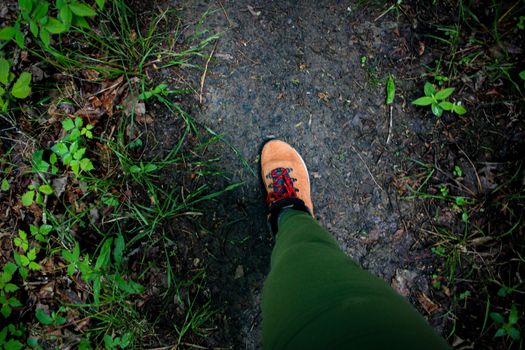
A close-up of a hiking boot on a dirt trail surrounded by lush green foliage. Photo: Niki Clark / Pexels
When compiling your list of what to pack for Canada trip, footwear often ranks as one of the most critical considerations. Canada's diverse landscapes, from rugged mountains to bustling city streets, demand versatile and comfortable shoes. Expect to do a lot of walking, whether you're exploring urban attractions, traversing national park trails, or navigating quaint village streets. Therefore, prioritizing comfortable, supportive, and appropriate footwear for your planned activities is paramount to enjoying your trip without discomfort or blisters. For general sightseeing and city exploration, a pair of comfortable walking shoes or sneakers is indispensable. Look for options with good arch support and cushioning. If your trip involves any amount of hiking, even light trails, a pair of sturdy hiking shoes or boots is a must. These should offer ankle support, good grip, and ideally, be waterproof or water-resistant, especially if you're venturing into areas prone to rain, mud, or dew. Even in summer, mountain trails can be damp, and unexpected showers are always a possibility. Breaking in new hiking boots before your trip is highly recommended to avoid painful surprises. Beyond shoes, consider other outdoor gear that might elevate your Canadian experience. A small, lightweight daypack is incredibly useful for carrying essentials like water bottles, snacks, extra layers, a camera, and perhaps a first-aid kit during daily excursions. If you're planning more extensive hikes or backcountry trips, a larger, more technical backpack will be necessary. Don't forget a reusable water bottle; staying hydrated is crucial, and Canada has excellent tap water quality. Many parks and public spaces have refill stations, making it an eco-friendly choice. Sun protection is another often-overlooked aspect, even in cooler climates or during winter. The sun's rays can be surprisingly strong, especially at higher altitudes or when reflecting off snow or water. Pack sunglasses, a wide-brimmed hat, and high-SPF sunscreen. Insect repellent is also a non-negotiable item, particularly during spring, summer, and early fall, especially if you plan to spend time in forested areas, near lakes, or in the wilderness. Mosquitoes and black flies can be relentless in certain regions and times of year, so a good quality repellent (with DEET or Picaridin) can significantly improve your outdoor comfort. Finally, consider bringing a headlamp or small flashlight, especially if you'll be camping or staying in more remote areas, or even just for navigating dimly lit paths in the evening. For more specific outdoor activity gear, check out adventure travel essentials.

Packing Smart: Tips, Tricks, and Common Mistakes to Avoid
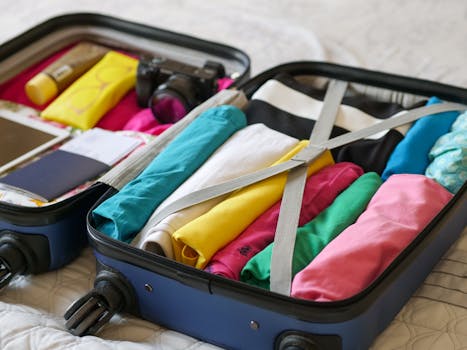
Open suitcase neatly packed with colorful clothes and travel essentials. Photo: Kindel Media / Pexels
Mastering the art of packing is just as important as knowing what to pack for Canada trip. Efficient packing can save you stress, money (on baggage fees), and ensure you have everything you need without being overburdened. Here are some invaluable tips, tricks, and common mistakes to steer clear of. **Tips and Tricks for Smart Packing:** * **Utilize Packing Cubes:** These organizational wonders are a game-changer. They compress clothing, separate items, and make it easy to find what you need without rummaging through your entire suitcase. You can designate cubes for different types of clothing (tops, bottoms, underwear) or for different days of your trip. * **Roll Your Clothes:** Rolling clothes tightly can save significant space and minimize wrinkles compared to folding. Combine this with packing cubes for maximum efficiency. * **Wear Your Bulkiest Items:** If you're bringing heavy boots or a thick winter coat, wear them on the plane. This frees up valuable luggage space and reduces weight. * **Layer Outfits Mentally:** Plan outfits that can be mixed and matched. Bring versatile pieces that can be dressed up or down, and worn with multiple other items. Think about a capsule wardrobe approach. * **Travel-Sized Toiletries:** Unless you have specific brands you can't live without, opt for travel-sized versions or decant your products into reusable travel containers. Most accommodations provide basic toiletries. * **Digital Copies of Documents:** Keep digital copies of your passport, flight tickets, hotel reservations, and travel insurance on your phone or in a cloud service. This provides a backup in case physical documents are lost or stolen. * **Power Adapters and Converters:** Canada uses Type A and B sockets (two flat parallel pins or two flat parallel pins with a round grounding pin) and operates on 120V at 60Hz. If you're coming from a country with different standards, ensure you have the correct adapter and, if necessary, a voltage converter for high-power appliances. * **Leave Room for Souvenirs:** Always leave a little extra space in your luggage for any treasures or gifts you might pick up along your journey. **Common Packing Mistakes to Avoid:** * **Overpacking:** This is perhaps the most common error. Bringing too many 'what ifs' or outfits you'll never wear only leads to heavy bags and unnecessary stress. Be ruthless in your selection. * **Forgetting Essential Medications:** Always pack any prescription medications in your carry-on, along with a copy of your prescription. Don't rely on being able to purchase them easily in Canada. * **Ignoring Weather Forecasts:** While layering is key, completely ignoring the forecast for your specific travel dates can lead to being underprepared for extreme conditions. Check it frequently in the days leading up to your departure. * **Not Packing a First-Aid Kit:** A small kit with band-aids, antiseptic wipes, pain relievers, and any personal allergy medications can be a lifesaver for minor scrapes or ailments. * **Neglecting a Reusable Bag:** A foldable tote bag or backpack can be incredibly useful for groceries, souvenirs, or as an extra carry-on for overflow items. * **Packing Valuables in Checked Luggage:** Keep all essential documents, electronics, jewelry, and anything of significant value in your carry-on bag. Checked luggage can be lost or delayed. By following these guidelines, your packing for Canada trip will be a smooth, efficient process, leaving you more time and energy to anticipate the incredible experiences that await you.

Comparison

FeatureSummer TravelWinter TravelSpring/Fall Travel
Base LayersLightweight moisture-wickingThermal wool/syntheticMedium-weight moisture-wicking
Mid LayersLight fleece/sweaterHeavy fleece/down jacketMedium fleece/light puffer
Outer LayerPackable rain jacket/windbreakerInsulated waterproof/windproof parkaWaterproof/windproof jacket
FootwearComfortable walking shoes, light hikersWaterproof insulated bootsWaterproof walking shoes/hikers
HeadwearSun hatWarm beanie/toqueLight beanie/baseball cap
Gloves/MittensWarm, waterproof gloves/mittensLight gloves for cool evenings
Sun Protection✓ (especially for snow sports)
Insect Repellent✓ (especially rural areas)

What Readers Say

"This guide completely changed how I approached what to pack for my Canada trip! The layering advice was spot on, and I was perfectly comfortable from city tours to mountain hikes, even with unexpected weather changes."

Sarah J. · Dallas, TX

"I used this packing list for my two-week road trip across Canada. The section on diverse climates was incredibly helpful, ensuring I had the right gear for both coastal British Columbia and the Rockies. Highly recommend!"

Mark D. · London, UK

"As an Aussie, I was clueless about Canadian winters. This guide on what to pack for Canada trip ensured I brought all the right thermal layers and waterproof gear. I stayed warm and dry even during a blizzard in Quebec!"

Emily R. · Sydney, AUS

"The packing tips were excellent, especially the advice on packing cubes. I felt well-prepared for my summer trip to Alberta, though I might have packed one too many mid-layers for the warmer days. Still, better safe than cold!"

David L. · Berlin, GER

"Coming from a warm climate, packing for Canada was daunting. This article broke down what to pack for Canada trip by season and activity so clearly. I felt confident and ready for my camping adventure in Ontario!"

Jessica M. · Miami, FL

Frequently Asked Questions

What are the absolute must-have items for any Canada trip, regardless of season?

Regardless of the season, essential items for any Canada trip include passport/ID, any necessary visas, prescription medications, a reusable water bottle, comfortable walking shoes, versatile layers (base, mid, and outer shell), and a power adapter/converter if needed. Always carry a small daypack for daily excursions and sun protection.

I'm traveling in shoulder season (spring/fall). Should I pack for summer or winter?

For shoulder seasons, it's crucial to pack for a mix of both. Expect a wide range of temperatures and precipitation. Emphasize layering even more, bringing both lighter and warmer mid-layers, and definitely a waterproof and windproof outer shell. Be prepared for anything from mild, sunny days to chilly, rainy, or even snowy conditions, especially in mountainous regions.

How can I pack light but still be prepared for Canada's varied weather?

Packing light while being prepared for Canada's varied weather is achieved through strategic layering and versatile items. Focus on quick-drying, multi-purpose clothing (e.g., merino wool base layers that can be worn multiple times). Choose one sturdy pair of waterproof walking shoes and one pair of comfortable city shoes. Utilize packing cubes and wear your bulkiest items on travel days. Plan outfits that can be mixed and matched.

Is it better to buy winter gear in my home country or in Canada?

Generally, it's often better to purchase quality winter gear in your home country if you have access to good outdoor retailers and sales. This ensures you have well-fitting, comfortable items before your trip. However, if you're coming from a very warm climate and lack appropriate gear, Canada has excellent outdoor stores (e.g., MEC, Atmosphere) where you can find high-quality, cold-weather clothing designed for Canadian conditions. Compare prices and convenience.

What's the difference between a waterproof and water-resistant jacket, and which should I pack?

A water-resistant jacket offers some protection against light rain for a short period, but it will eventually soak through. A waterproof jacket, on the other hand, is designed to completely repel water, keeping you dry even in heavy downpours. For a Canada trip, especially if you plan any outdoor activities or visit coastal/mountainous areas, a truly waterproof and breathable jacket is highly recommended for optimal comfort and protection.

Who specifically benefits most from this detailed 'what to pack for Canada trip' guide?

This detailed guide is most beneficial for first-time visitors to Canada, those planning multi-region or multi-season trips, and travelers intending to engage in various outdoor activities (hiking, urban exploration, wildlife viewing). It provides comprehensive advice that helps bridge the gap between general packing lists and the specific demands of Canada's diverse environments.

Are there any safety-related items I should prioritize when packing for Canada?

Beyond standard first-aid, consider a personal alarm for remote areas, bear spray if hiking in specific wilderness regions (know how to use it and check local regulations), and a fully charged power bank for your phone. Inform someone of your itinerary, especially for backcountry excursions. Always carry sufficient water and snacks when venturing out.

How might packing for Canada evolve with future travel trends or climate changes?

Future packing for Canada may increasingly focus on sustainable and multi-functional gear, given a growing emphasis on eco-conscious travel. With potential climate shifts, travelers might need to be even more prepared for unpredictable weather extremes, requiring more advanced layering systems and adaptable, all-season outerwear. Digital tools for packing and real-time weather monitoring will also become more integrated into preparation.

Armed with this comprehensive guide on what to pack for Canada trip, you're now ready to embark on an unforgettable journey. By understanding Canada's diverse climates and embracing smart packing strategies, you'll ensure comfort, readiness, and enjoyment every step of the way. Start planning your adventure today!

Topics: what to pack for canada tripCanada packing listtravel to Canada essentialsCanadian weather packingpacking for Canadian seasons
Leo List

IE Escorts NO Escorts US Escorts NZ Escorts AU Escorts
Brampton weed
Adultwork EstrelaBet Vai de Bet R7 Bet Betão Galera Bet Rainbet Bet9ja Shop SportyBet BetKing Sisal Loto Foot Hollywoodbets YesPlay Odibets RushBet Jugabet BetWarrior BetCity MSport betPawa Fortebet