Your Ultimate Canada Travel Guide: Explore the True North

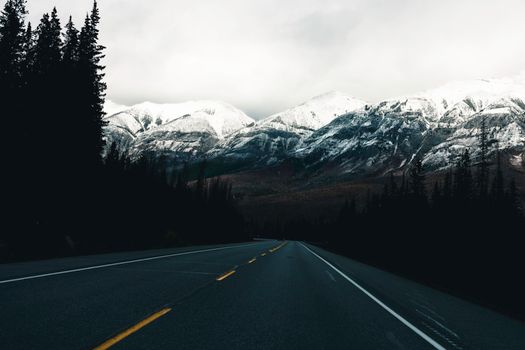
Breathtaking view of the Canadian Rockies at sunset with a vibrant purple sky.Photo: Nunzio Guerrera / Pexels

Your Ultimate Canada Travel Guide: Explore the True North

Plan your dream Canadian adventure with expert tips and insider knowledge for an unforgettable experience.

Start Your Canadian Journey

Key Takeaways

  • ✓ Canada is the second-largest country by total area, offering diverse landscapes from coast to coast.
  • ✓ English and French are Canada's two official languages.
  • ✓ The Canadian dollar (CAD) is the official currency.
  • ✓ Canada boasts 48 national parks and national park reserves, protecting vast wilderness areas.

How It Works

1
Define Your Canadian Dream

Consider what kind of experience you're seeking: urban exploration, wilderness adventure, cultural immersion, or a mix. This initial step will help narrow down your destinations.

2
Choose Your Destinations & Season

Research regions like the Rockies, Atlantic provinces, or Pacific coast, and align your visit with the best season for your chosen activities. Summer and fall are popular, but winter offers unique experiences.

3
Plan Logistics: Flights, Accommodation & Transport

Book flights and accommodation well in advance, especially for peak seasons. Decide on internal transport – rental car, train, or domestic flights – based on your itinerary.

4
Pack Smart & Prepare for Adventure

Pack layers, waterproof gear, and appropriate footwear for varying Canadian weather. Familiarize yourself with local customs, visa requirements, and travel insurance options.

Navigating Canada: Regions, Climate & Best Times to Visit

Group of friends cheering indoors with a Canadian flag, enjoying a lively moment together.Photo: Cedric Fauntleroy / Pexels
Canada, a land of vast and varied landscapes, is broadly divided into several distinct regions, each offering unique experiences. From the rugged beauty of the Atlantic provinces to the majestic Canadian Rockies, and the vibrant cultural tapestry of Central Canada, understanding these regions is key to planning your perfect trip. The Pacific Coast, dominated by British Columbia, offers a milder climate, lush rainforests, and stunning coastal scenery, perfect for outdoor enthusiasts and city explorers alike. The Prairies, stretching across Alberta, Saskatchewan, and Manitoba, showcase endless horizons, rich agricultural lands, and a surprising array of national parks. Central Canada, comprising Ontario and Quebec, is the historical and cultural heartland, home to major cities like Toronto, Montreal, and Quebec City, offering world-class dining, arts, and festivals. The Atlantic Provinces—New Brunswick, Nova Scotia, Prince Edward Island, and Newfoundland and Labrador—are renowned for their maritime charm, picturesque fishing villages, and fresh seafood. Finally, the North, including the Yukon, Northwest Territories, and Nunavut, offers unparalleled wilderness, indigenous culture, and the magical northern lights.

The best time to visit Canada largely depends on your desired activities. Summer (June to August) is ideal for hiking, camping, and exploring cities, with warm temperatures across most regions. However, it's also the busiest and most expensive season. Fall (September to October) brings spectacular foliage, especially in Eastern Canada, and pleasant temperatures, making it excellent for scenic drives and fewer crowds. Winter (November to March) transforms much of Canada into a snowy wonderland, perfect for skiing, snowboarding, and ice skating, though temperatures can be very cold, especially in the interior and northern regions. Spring (April to May) is a transitional period, with melting snow and blooming flowers, offering opportunities for wildlife viewing and lower prices. Regardless of the season, packing layers is always recommended due to Canada's unpredictable weather. For more detailed insights into seasonal travel, check out our guide on planning your seasonal Canadian adventure.

Must-See Canadian Destinations: From Cities to Wilderness

Iconic Canada Place building with its sail-like roof in Vancouver, BC against a blue sky.Photo: Esteban Arango / Pexels
Canada is home to an incredible array of destinations, catering to every type of traveler. For urban explorers, Toronto, Canada's largest city, offers a vibrant multicultural scene, iconic landmarks like the CN Tower, and diverse culinary experiences. Montreal, with its European charm, historic Old Montreal, and lively arts scene, is a cultural gem. Vancouver, nestled between mountains and ocean, provides a perfect blend of city life and outdoor adventure, while Quebec City, a UNESCO World Heritage site, transports visitors back in time with its fortified walls and cobblestone streets.

Beyond the cities, Canada's natural wonders are truly breathtaking. The Canadian Rockies, encompassing Banff and Jasper National Parks in Alberta, are a UNESCO World Heritage site, famous for their turquoise lakes like Lake Louise and Moraine Lake, towering peaks, and abundant wildlife. These parks offer world-class hiking, skiing, and scenic drives. On the west coast, Vancouver Island is a haven for nature lovers, with the rugged Pacific Rim National Park Reserve, charming Tofino for surfing, and Victoria's historic gardens. In Eastern Canada, Gros Morne National Park in Newfoundland and Labrador, another UNESCO site, features dramatic fjords and ancient landscapes. The Bay of Fundy, shared between New Brunswick and Nova Scotia, boasts the highest tides in the world, creating unique coastal formations. For those seeking remote wilderness, the Yukon Territory offers unparalleled opportunities for northern lights viewing, dog sledding, and exploring vast, untamed landscapes. Each region presents a unique facet of Canada's diverse beauty, promising unforgettable memories.

See also: rental car.

Accommodation & Transportation: Your Canada Travel Logistics

Air Canada aircraft at the gate, ready for passengers. Busy airport scene.Photo: Siddant Kanthi / Pexels
When planning your Canada travel guide, understanding your accommodation and transportation options is crucial for a smooth journey. Canada offers a wide range of lodging, from luxury hotels in major cities to charming bed and breakfasts in smaller towns, rustic cabins in national parks, and budget-friendly hostels. For a unique experience, consider glamping or staying in a wilderness lodge. Booking well in advance, especially during peak season or for popular destinations like Banff, is highly recommended to secure your preferred options and often better rates. Websites like Booking.com, Airbnb, and local tourism boards are excellent resources for finding and comparing accommodations.

Transportation across Canada can be an adventure in itself. For long distances, domestic flights are often the quickest option, connecting major cities efficiently. Canada's railway system, primarily operated by VIA Rail, offers scenic routes, particularly the cross-country journey, providing a unique way to see the landscape, though it can be slower and more expensive than flying. Buses, such as those operated by Greyhound (though service is limited in some regions) and regional companies, are a more economical choice for inter-city travel.

However, to truly explore Canada's vast national parks and remote areas, renting a car is often the most flexible and convenient option. Major car rental companies operate throughout the country, and booking in advance, especially for specific vehicle types like SUVs for winter travel, is advisable. Be aware of varying road conditions, especially in winter, and always check local driving regulations. Cycling is also popular in many areas, with extensive trail networks. For urban exploration, public transit systems in cities like Toronto, Montreal, and Vancouver are efficient and user-friendly. For more tips on getting around, consult our guide on Canadian travel logistics.

Essential Tips for a Smooth Canadian Adventure

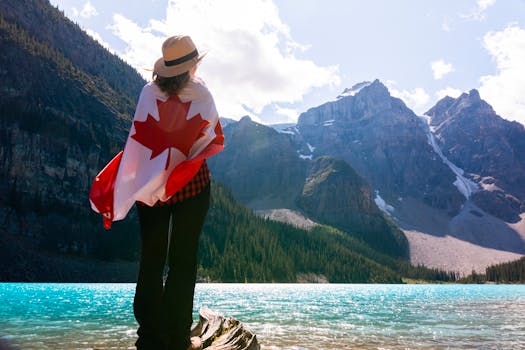
A woman stands wrapped in a Canadian flag, admiring the scenic Moraine Lake and mountains.Photo: Andre Furtado / Pexels
To ensure your Canadian adventure is as smooth and enjoyable as possible, keep these essential tips in mind: * **Visa and Entry Requirements:** Always check the latest visa requirements for your nationality before traveling. Most visitors will need an Electronic Travel Authorization (eTA) if flying into Canada, or a visitor visa. Ensure your passport is valid for at least six months beyond your intended departure date. * **Currency and Payments:** The Canadian Dollar (CAD) is the official currency. Credit cards (Visa, MasterCard, American Express) are widely accepted, but it's wise to carry some cash for smaller purchases, rural areas, or emergencies. Tipping is customary in Canada for services like restaurants (15-20%), taxis, and hairdressers. * **Stay Connected:** Consider purchasing a local SIM card or an e-SIM plan upon arrival for affordable data and calls. Wi-Fi is available in most hotels, cafes, and public places, but coverage can be spotty in remote areas. * **Health and Safety:** Canada has a high standard of healthcare, but it can be expensive for non-residents. Comprehensive travel insurance is highly recommended. Be aware of wildlife, especially when hiking in national parks, and always follow park guidelines. Emergency services can be reached by dialing 911. * **Cultural Etiquette:** Canadians are generally polite and value personal space. A simple 'please' and 'thank you' goes a long way. Understanding the bilingual nature of some regions, especially Quebec, can enhance your experience. * **Packing Essentials:** Layers are key, regardless of the season, due to changeable weather. Include waterproof outerwear, comfortable walking shoes, and sun protection. For winter travel, warm insulated clothing, hats, gloves, and waterproof boots are essential. * **Respect the Environment:** Canada's natural beauty is its greatest asset. Practice 'Leave No Trace' principles, dispose of waste properly, and stay on marked trails to protect sensitive ecosystems. * **Learn Basic Phrases:** While English is widely spoken, learning a few basic French phrases (Bonjour, Merci, S'il vous plaît) will be appreciated, especially in Quebec.

Comparison

FeatureSummer (June-Aug)Fall (Sept-Oct)Winter (Nov-Mar)Spring (Apr-May)
CrowdsHighModerateLow to ModerateLow
CostHighModerateModerate to LowLow
ActivitiesHiking, water sports, city explorationFoliage viewing, hiking, city breaksSkiing, snowboarding, Northern LightsWildlife viewing, budding nature
WeatherWarm, sunny (occasional rain)Cool, crisp (colorful foliage)Cold, snowy (freezing temperatures)Mild, melting snow, rain

What Our Readers Say

5 ★★★★★

"This Canada travel guide was incredibly helpful for planning our trip to the Rockies. The tips on accommodation and transportation saved us so much time and stress. Truly a comprehensive resource!"

5 ★★★★★

"As a first-time visitor, I relied heavily on this guide. It helped me choose the best time to visit Vancouver and provided fantastic recommendations for local experiences. Highly recommend!"

5 ★★★★★

"The section on regional climates and activities was a game-changer for our multi-province trip. We managed to experience both vibrant city life and breathtaking wilderness thanks to this Canada travel guide."

4 ★★★★☆

"A very thorough guide, though I wished there were a few more specific restaurant recommendations. However, the general advice on customs and staying safe was invaluable for our family vacation."

5 ★★★★★

"We used this Canada travel guide for our winter escape to Quebec, and it made all the difference. The packing tips were spot on, and we felt well-prepared for the cold, allowing us to fully enjoy the snow."

Frequently Asked Questions

What is the best way to travel between major Canadian cities?
For efficiency, domestic flights are generally the quickest way to cover long distances between major cities. For a more scenic and relaxed journey, VIA Rail offers train services, while buses are a more budget-friendly option. Renting a car provides the most flexibility, especially for exploring national parks and rural areas.
Is Canada safe for solo travelers?
Yes, Canada is widely considered one of the safest countries in the world for solo travelers. Most cities and tourist areas are very safe, and Canadians are generally friendly and helpful. As with any travel, exercising common sense and caution, especially at night, is always advisable.
How do I deal with Canadian weather variability?
Canadian weather can be unpredictable, even within a single day. The best approach is to pack in layers, allowing you to add or remove clothing as temperatures change. Always include waterproof outerwear, regardless of the season, and check local forecasts frequently.
What is the average cost of a trip to Canada?
The cost of a trip to Canada varies significantly based on your travel style, duration, and chosen destinations. A budget traveler might spend CAD 70-150 per day, while a mid-range traveler could expect CAD 150-300+. Luxury travel can easily exceed CAD 400+ per day. Accommodation, transportation, and activities are the main cost drivers.
How does Canada compare to European travel destinations?
Canada offers vast wilderness, diverse natural landscapes, and a strong outdoor adventure focus, often with longer travel distances between major attractions. European destinations typically have shorter travel times between countries and cities, a denser historical and architectural heritage, and a more established public transport network. Both offer rich cultural experiences.
Who should use this Canada travel guide?
This Canada travel guide is ideal for first-time visitors to Canada, those planning multi-region trips, or anyone looking for comprehensive, up-to-date information on navigating Canada's diverse landscapes, cultures, and travel logistics. It caters to both adventure seekers and city explorers.
What should I know about wildlife safety in Canada?
When exploring Canada's natural areas, especially national parks, be aware of wildlife like bears, elk, and coyotes. Always maintain a safe distance, never feed animals, and store food securely. Carry bear spray if hiking in bear country and know how to use it. Follow all park regulations and warnings.
Are there any emerging travel trends in Canada?
Sustainable and eco-tourism are growing trends in Canada, with an increasing focus on responsible travel, supporting local communities, and minimizing environmental impact. Indigenous tourism experiences are also gaining popularity, offering authentic cultural immersion and insights into Canada's rich First Nations heritage.

Armed with this comprehensive Canada travel guide, you're now ready to plan an extraordinary journey through the True North. Start envisioning your adventure, book your essentials, and prepare to be captivated by Canada's unparalleled beauty and vibrant culture. Your unforgettable Canadian experience awaits!

Topics: canada travel guidetravel CanadaCanadian vacationexplore CanadaCanada tourism
Leo List