✓ Trans-Canada train journeys can range from a few hundred to several thousand dollars, depending on class and duration.
✓ Booking in advance (6-12 months) is crucial for securing better prices, especially for sleeper classes.
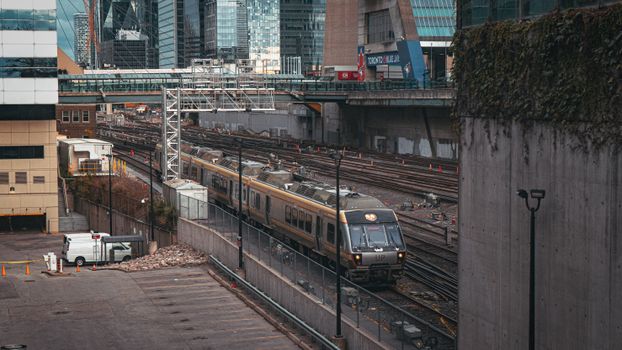
✓ VIA Rail is the primary operator for long-distance passenger train travel in Canada.
✓ Seasonal pricing heavily influences fares, with summer and holiday periods being the most expensive.
How It Works
1
Define Your Route & Duration
Decide which cities you want to visit and how long you wish to travel. A coast-to-coast journey typically takes 4-5 days of continuous travel.
2
Choose Your Class of Service
VIA Rail offers Economy, Sleeper Plus, and Prestige classes. Each offers vastly different amenities and, consequently, price points.
3
Book Strategically
Utilize VIA Rail's 'Escape' fares, 'Discount Tuesdays,' and consider off-peak travel. Booking well in advance is key for sleeper accommodations.
4
Account for Additional Expenses
Factor in meals (if not included), excursions, accommodation before/after the train, and souvenirs to get a complete cost picture.
Understanding VIA Rail's Pricing Structure for Canadian Train Journeys
Embarking on a train journey across Canada is an experience of a lifetime, offering unparalleled views of majestic landscapes, from the rugged Atlantic coast to the serene Pacific shores, and everything in between. However, before you can sit back and enjoy the ride, understanding the train travel across Canada cost is paramount. VIA Rail Canada, the country's national passenger rail service, operates the majority of these long-distance routes, including the iconic 'Canadian' train that traverses the country from Toronto to Vancouver. Their pricing structure is dynamic and depends on a multitude of factors, making it essential to delve into the specifics to budget effectively. At its core, VIA Rail's fares are influenced by the class of service you choose, the distance of your journey, the time of year you travel, and how far in advance you book.
The primary classes of service on long-haul routes like 'The Canadian' are Economy, Sleeper Plus, and Prestige. Economy class is the most budget-friendly option, offering comfortable reclining seats, access to a shared dome car for panoramic views, and the option to purchase meals and snacks from the service car. While it's a fantastic way to see the country without breaking the bank, it's important to note that overnight travel in Economy means sleeping in your seat.
Sleeper Plus class elevates the experience significantly. This class includes private accommodations such as berths, cabins for one or two, and even larger cabins for families. With Sleeper Plus, all meals are included and served in the dining car, offering a gourmet experience with regional Canadian cuisine. You also gain access to exclusive lounges at major stations and dedicated service. The cost jump from Economy to Sleeper Plus is substantial but often justified by the comfort, privacy, and all-inclusive nature of the journey. For instance, a one-way trip from Toronto to Vancouver in Economy might range from CAD $500-$900, while the same journey in Sleeper Plus could easily be CAD $2,000-$4,500 per person, depending on the accommodation type and season.
At the pinnacle of luxury is Prestige Class, available only on 'The Canadian.' This premium service offers spacious cabins with a private washroom and shower, a dedicated concierge, priority boarding, exclusive lounge access, and gourmet meals with complimentary alcoholic beverages. The cost for Prestige Class reflects this exclusivity, often starting from CAD $7,000 and easily exceeding CAD $12,000 for a cross-country journey. Understanding these base differences is your first step in gauging the overall train travel across Canada cost. Each class caters to a different budget and travel preference, ensuring there's an option for nearly everyone looking to explore Canada by rail. For more general travel insights, explore our comprehensive travel guides.
Factors Influencing Your Cross-Canada Train Budget
Beyond the basic class of service, several other critical factors play a significant role in determining the final train travel across Canada cost. Being aware of these variables allows you to strategically plan your trip and potentially save a considerable amount of money. One of the most impactful factors is the seasonality of your travel. Canada's peak travel season, generally from June to September, sees the highest demand for train tickets, especially for sleeper accommodations. During these months, prices can be significantly higher, often 30-50% more than during the shoulder or off-peak seasons. Traveling in late spring (April-May) or early fall (October-November) can offer a more moderate climate, fewer crowds, and noticeably lower fares. Winter travel, while offering unique snowy vistas, is generally the cheapest option due to lower demand, though some services might be reduced or weather-dependent.
Another crucial element is how far in advance you book your tickets. VIA Rail, like airlines, uses a dynamic pricing model. The earlier you book, especially for popular routes and sleeper classes, the more likely you are to secure a better rate. Booking 6 to 12 months in advance is highly recommended for those seeking Sleeper Plus or Prestige accommodations, as these sell out quickly. Last-minute bookings, while sometimes possible for Economy, are almost guaranteed to be more expensive for premium classes, if available at all. Keep an eye out for VIA Rail's promotional fares, such as 'Escape Fares' or 'Discount Tuesdays,' which can offer savings if your travel dates are flexible.
The duration and specific route of your journey also directly impact the cost. A full coast-to-coast trip from Halifax to Vancouver will naturally be more expensive than a segment, such as Toronto to Montreal or Jasper to Vancouver. The number of nights you spend on the train directly correlates with the cost, particularly for Sleeper Plus and Prestige where per-night accommodation is a significant component. Additionally, whether you opt for a continuous journey or decide to break it up with stopovers will affect the total. While stopovers are often permitted with a single ticket purchase within a certain timeframe, they might add to the overall duration of your trip and thus, potentially, the cost if you factor in hotel stays during your breaks.
Finally, don't overlook ancillary costs. While Sleeper Plus and Prestige include meals, Economy passengers will need to budget for food and beverages purchased on board. These can add up quickly. Consider bringing your own snacks and non-alcoholic drinks to save money. Excursions at various stops, souvenir purchases, and pre- or post-train accommodation and transportation in your departure and arrival cities are all additional expenses that need to be factored into your total train travel across Canada cost. A thorough budget should encompass all these elements to avoid any financial surprises during your grand Canadian adventure.
Comparing Classes: Economy, Sleeper Plus, and Prestige Value
Choosing the right class of service is arguably the most critical decision when planning your train travel across Canada cost. Each class offers a distinct level of comfort, amenities, and overall experience, making the value proposition unique to every traveler. Let's break down what each class provides and who it's best suited for, helping you decide where your money is best spent.
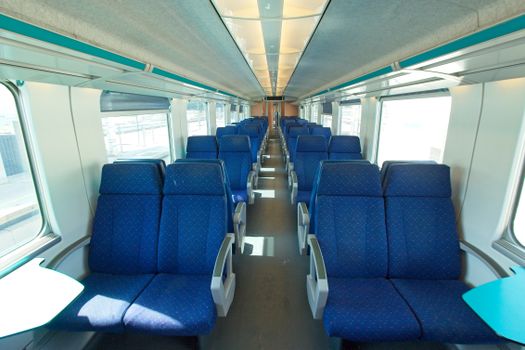
Economy Class is the most affordable entry point to experiencing Canada by rail. It offers comfortable, reclining seats, similar to those found on an airplane, but with more legroom and the ability to move around. Passengers in Economy have access to the dome car, offering spectacular panoramic views, and can purchase meals, snacks, and beverages from the service car. The main trade-off for the lower cost is the lack of private sleeping accommodations; you'll be sleeping in your seat. This option is ideal for budget-conscious travelers, students, or those undertaking shorter daytime journeys. It's a fantastic way to see the country's diverse landscapes without a hefty price tag, especially if you're comfortable with a more rustic travel style and aren't bothered by sleeping upright for multiple nights. The cost-effectiveness of Economy class is undeniable for those prioritizing savings over luxury.
Sleeper Plus Class represents a significant upgrade in comfort and convenience, and for many, it offers the best balance of value and experience. This class includes a variety of private sleeping accommodations, ranging from upper and lower berths (beds in a shared cabin that convert to seats during the day) to private cabins for one, two, or even family cabins. The most appealing aspect of Sleeper Plus is that all delicious, chef-prepared meals are included and served in a dedicated dining car, offering a communal and often social experience. Passengers also have access to showers, making multi-day journeys much more comfortable. Sleeper Plus is perfect for travelers seeking a comfortable, all-inclusive experience, where the journey itself is a significant part of the vacation. It's an excellent choice for couples, families, or solo travelers who value privacy and a good night's sleep while traversing the vast Canadian landscape. The added cost is often justified by the included meals, private space, and enhanced amenities, making it a popular choice for those undertaking the full cross-country journey.
Prestige Class is the epitome of luxury train travel in Canada, designed for those who desire an unparalleled level of service and comfort. Available exclusively on 'The Canadian' route, Prestige cabins are spacious and feature a private washroom with a shower, a large picture window, and comfortable seating that converts into a double bed at night. This class offers a dedicated concierge service, priority boarding, access to exclusive lounges, and gourmet meals with complimentary alcoholic beverages, served either in the dining car or in your private cabin. Prestige passengers also have access to the Prestige Park Car, an exclusive dome car with comfortable seating and stunning views. This class is for discerning travelers who view the journey as an integral, luxurious part of their vacation and are willing to pay a premium for the ultimate in comfort, privacy, and service. While the train travel across Canada cost in Prestige Class is substantial, the experience is truly five-star. For anyone considering the higher echelons of luxury, understanding the full scope of amenities and services provided is key to appreciating the value. For more detailed information on maximizing your travel budget, check out our guide on smart travel budgeting.
Tips to Minimize Your Train Travel Across Canada Cost
Embarking on a cross-Canada train adventure doesn't have to break the bank. With strategic planning and a few clever tricks, you can significantly reduce your train travel across Canada cost without compromising the magic of the journey. Here are some invaluable tips to help you budget wisely:
* **Book Early, Always:** This is perhaps the most crucial tip. VIA Rail's dynamic pricing means that fares, especially for Sleeper Plus and Prestige, increase as the departure date approaches and as seats/cabins fill up. Aim to book 6 to 12 months in advance for the best rates and availability, particularly if you're traveling during peak season or want a specific type of cabin.
* **Travel During Off-Peak Seasons:** Avoid summer (June-August) and major holidays if your schedule allows. Shoulder seasons (April-May, September-October) offer beautiful scenery, milder weather, and significantly lower fares. Winter travel can be the most affordable, providing a unique, snow-covered landscape experience.
* **Look for Sales and Promotions:** VIA Rail frequently offers various discounts, such as 'Escape Fares' for Economy class, 'Discount Tuesdays' (where certain routes offer reduced fares for specific travel dates), and seasonal promotions. Sign up for their newsletter to stay informed about these deals. Students, seniors, and youth can also often qualify for additional discounts.
* **Consider Shorter Segments or One-Way Trips:** A full coast-to-coast journey is magnificent but expensive. If your budget is tight, consider traveling a shorter, particularly scenic segment (e.g., the Canadian Rockies portion from Jasper to Vancouver) and flying the rest of the way. Sometimes, combining train and air travel can be more cost-effective than an entire cross-country train trip.
* **Pack Your Own Food and Drinks (Economy Class):** If you're traveling in Economy, meals and snacks purchased on board can quickly add up. Bring your own non-perishable snacks, sandwiches, and non-alcoholic beverages to save money. There's usually a snack car where you can buy hot items, but personal provisions are always cheaper.
* **Be Flexible with Your Dates:** If you have some flexibility in your travel dates, use VIA Rail's fare finder to compare prices across different days and weeks. Even shifting your departure by a day or two can sometimes result in significant savings.
* **Explore Rail Passes:** For extensive travel or multiple segments, consider VIA Rail's passes, such as the Canrailpass. These passes offer a set number of travel days within a specific period and can sometimes be more economical than purchasing individual tickets, especially if you plan to make several stops.
* **Evaluate Stopovers:** While stopovers can break up a long journey and allow for exploration, remember to factor in the cost of accommodations and activities during these breaks. Sometimes, a direct journey might be more economical overall if hotel costs are high at your chosen stopover points.
By implementing these strategies, you can effectively manage your train travel across Canada cost, making your dream journey a more affordable reality.
Private cabin (berth, cabin for 1/2), shared washroom/shower
Reclining seat
Meals Included
All gourmet meals, alcoholic beverages
All meals in dining car
Not included, purchase available
Lounge Access
Exclusive Prestige Lounge
Business/Sleeper Plus Lounge
✗
Concierge Service
✓
✗
✗
Cost (Toronto-Vancouver, estimated)
CAD $7,000 - $12,000+
CAD $2,000 - $4,500+
CAD $500 - $900+
What Readers Say
★★★★★
"The train travel across Canada cost for our Sleeper Plus cabin was absolutely worth every penny. The included meals were superb, and having our own private space made the multi-day journey incredibly relaxing and comfortable."
Eleanor V. · Montreal, QC
★★★★★
"I was initially worried about the train travel across Canada cost, but by booking Economy well in advance, I managed a fantastic deal. I saved a lot by packing my own snacks, and the views from the dome car were priceless."
Mark R. · Calgary, AB
★★★★★
"Splurging on Prestige Class was a once-in-a-lifetime decision, and the experience exceeded all expectations. The private shower and dedicated concierge service truly justified the higher train travel across Canada cost for such a luxurious adventure."
Sophia L. · Vancouver, BC
★★★★★
"The train travel across Canada cost can be high, but I found a great off-season deal in Sleeper Plus. While it was still an investment, the comfort and included meals made it a much more enjoyable journey than flying, despite the time."
David P. · Toronto, ON
★★★★★
"We did a segment of the cross-Canada journey and found the train travel across Canada cost to be very reasonable for the shorter distance. It allowed us to experience the train without committing to the full expense, which was perfect for our budget."
Jessica M. · Halifax, NS
Frequently Asked Questions
What is the average train travel across Canada cost for a full coast-to-coast trip?
The average train travel across Canada cost for a full coast-to-coast trip (e.g., Toronto to Vancouver) varies significantly by class. Economy class can range from CAD $500-$900, Sleeper Plus from CAD $2,000-$4,500, and Prestige Class from CAD $7,000 to over CAD $12,000 per person, one-way. These are estimates and subject to change based on booking time, season, and promotions.
Is train travel across Canada more expensive than flying?
Generally, for a full cross-country journey, train travel across Canada, especially in Sleeper Plus or Prestige classes, is often more expensive than flying in economy. However, the train offers a unique experience, included meals (in premium classes), and scenic views that flights cannot match, making it a different value proposition.
How can I reduce the train travel across Canada cost?
To reduce the train travel across Canada cost, book your tickets as far in advance as possible (6-12 months), travel during off-peak seasons (fall, winter, spring), look for VIA Rail promotions and sales, consider traveling in Economy class, and pack your own snacks and drinks if not in an all-inclusive class.
Are meals included in the train travel across Canada cost?
Meals are included in the train travel across Canada cost if you book Sleeper Plus or Prestige Class. These classes offer chef-prepared meals served in a dining car. If you travel in Economy class, meals are not included and must be purchased separately from the service car or snack bar.
How does the train travel across Canada cost compare to a road trip?
The train travel across Canada cost can be comparable to or more expensive than a road trip, depending on factors like car rental, fuel prices, accommodation choices (hotels vs. camping), and number of travelers. Train travel offers relaxation and scenic views without the stress of driving, while a road trip offers more flexibility and access to remote areas.
Who should consider paying for a higher train travel across Canada cost?
Those who prioritize comfort, privacy, included gourmet meals, and a luxurious, all-inclusive experience should consider paying for a higher train travel across Canada cost in Sleeper Plus or Prestige Class. It's ideal for special occasions, those who prefer not to manage meals or logistics, or travelers who view the journey itself as a significant part of their vacation.
What are the risks associated with the train travel across Canada cost?
The primary risk associated with the train travel across Canada cost is that it can be a significant investment, especially for premium classes, and prices are non-refundable or incur high cancellation fees if not booked with flexible options. Delays can also occur, though they don't impact the initial cost, they can affect connecting travel plans.
Will the train travel across Canada cost increase in the future?
Like most travel expenses, the train travel across Canada cost is likely to see gradual increases due to inflation, fuel prices, and operational costs. Booking well in advance remains the best strategy to lock in current rates and mitigate future price hikes.
Ready to embark on an unforgettable journey? Understanding the train travel across Canada cost is your first step. Start planning your adventure today and discover the breathtaking beauty of Canada by rail.