✓ Canada is the world's second-largest country by area, offering diverse landscapes.
✓ Accommodation and transportation are often the biggest budget challenges in Canada.
✓ Shoulder seasons (spring/fall) offer significant savings and fewer crowds.
✓ Camping and hostels are excellent budget-friendly lodging options.
✓ Cooking your own meals can drastically reduce food costs.
How It Works
1
Plan Your Route Wisely
Focus on specific regions rather than trying to see the entire country. This minimizes travel time and costs, allowing for deeper exploration of chosen areas.
2
Optimize Transportation
Consider bus passes, ride-sharing, or even long-distance trains for scenic, cost-effective travel. Avoid flying domestically unless absolutely necessary and booked far in advance.
3
Smart Accommodation Choices
Prioritize hostels, campgrounds, and guesthouses over hotels. Look for places with kitchen facilities to save on dining expenses.
4
Embrace Free & Low-Cost Activities
Canada boasts incredible national parks, hiking trails, and city attractions that are free or have minimal entry fees. Seek out local festivals and events.
Mastering Budget Transportation Across Canada
Photo: Enrique B / Pexels
Canada's sheer size is both its allure and its biggest budget challenge. Spanning nearly 10 million square kilometers, getting from one iconic destination to another can quickly deplete your travel funds if not planned meticulously. The key to mastering budget transportation across Canada lies in understanding the various modes available and choosing the most cost-effective option for your specific itinerary. For long distances, flying can seem appealing, but domestic flights in Canada are notoriously expensive, especially if booked last minute. Instead, consider the humble bus. Companies like Greyhound (though less prevalent now, other regional operators exist) and Megabus offer inter-city routes that are significantly cheaper than airfare. While slower, they provide an opportunity to see the landscape change outside your window, offering a unique perspective on the country's vastness. Look into multi-day passes if you plan extensive bus travel within a specific region. Another excellent option, especially for the adventurous, is ride-sharing. Platforms like Poparide connect drivers with passengers heading in the same direction, allowing you to split fuel costs. This not only saves money but also offers a chance to meet locals and gain insider tips. For shorter distances or within cities, public transit is your best friend. Major cities like Toronto, Vancouver, and Montreal have extensive subway, bus, and streetcar networks that are efficient and affordable. Day passes or weekly passes can offer even greater savings if you plan to use public transport frequently. Don't forget the power of your own two feet – walking and cycling are free, healthy ways to explore urban centers and natural parks alike. If you're planning a trip to a specific region, consider renting a car only if absolutely necessary, and always compare prices across multiple rental agencies. Factor in fuel costs, which can be substantial given Canada's size. For an unforgettable, albeit slower, journey, VIA Rail Canada offers train services that traverse stunning landscapes. While not always the cheapest, special deals and passes (like the Canrailpass) can make it a viable option for those prioritizing the journey itself. Booking well in advance is crucial for securing the best prices on any form of transportation. Flexibility with your travel dates can also unlock significant savings, as prices fluctuate based on demand. Avoiding peak summer travel (July and August) can lead to lower fares and less crowded experiences. Remember, the goal is not just to get from point A to point B, but to do so in a way that aligns with your budget and enhances your overall Canadian adventure. By strategically combining these transportation methods, you can significantly reduce your travel expenses, leaving more money for experiences. For more general travel tips, check out our guide on smart travel planning.
Smart Accommodation: Sleeping Well Without Overspending
Photo: Ali Kazal / Pexels
Accommodation is often the largest single expense for travelers in Canada, but with a bit of savvy planning, you can find comfortable and affordable places to rest your head. The key is to think beyond traditional hotels and explore a wider range of lodging options. Hostels are a backpacker's best friend and are becoming increasingly popular with all types of budget-conscious travelers. Canada has a fantastic network of hostels, from vibrant city centers to serene mountain towns. Many offer not just dormitory beds but also private rooms, often with shared kitchen facilities. This latter point is crucial for budget travelers, as cooking your own meals can save hundreds of dollars over the course of a trip. Websites like Hostelworld and Hostelling International (HI Canada) are excellent resources for finding and booking these. Camping is another incredibly cost-effective way to experience Canada's breathtaking natural beauty. National and provincial parks offer well-maintained campgrounds, often with basic amenities like washrooms and fire pits, for a fraction of the cost of a hotel room. Imagine waking up to the sounds of nature, surrounded by mountains or forests – it's an experience in itself. Reservations, especially for popular parks like Banff or Jasper, are essential and often open months in advance, selling out quickly. If you don't have your own gear, consider renting it or looking into glamping options which can be a step up from basic camping but still cheaper than hotels. For those seeking a blend of local experience and affordability, consider Airbnb or other vacation rental platforms. While some listings can be pricey, you can often find private rooms in shared homes or entire apartments at competitive rates, especially outside major tourist hubs. Again, look for places with kitchen access. Couchsurfing, where you stay for free with local hosts, is the ultimate budget accommodation option and offers an unparalleled cultural exchange, though it requires flexibility and an open mind. For a unique experience, consider WWOOFing (World Wide Opportunities on Organic Farms) or HelpX, where you exchange a few hours of work for free accommodation and meals. This is perfect for longer stays and those wanting to immerse themselves in Canadian life. Lastly, if hotels are your only option, always compare prices across multiple booking sites, consider staying slightly outside city centers (and using public transit to commute), and look for deals that include breakfast or other perks. Off-season travel also significantly reduces hotel rates. By diversifying your accommodation choices and being open to different experiences, you can dramatically cut down on your Canadian travel costs and allocate more of your budget to activities and adventures. Remember, a good night's sleep doesn't have to come with a hefty price tag.
Feasting on a Budget: Savvy Food Strategies in Canada
Photo: Helena Lopes / Pexels
Food can be a significant drain on your travel budget, but with smart strategies, you can enjoy Canada's culinary scene without overspending. The golden rule for budget eating is simple: cook your own meals whenever possible. This is where choosing accommodation with kitchen facilities (hostels, Airbnbs, campgrounds) pays off immensely. Before you arrive at your destination, research local grocery stores. Large supermarket chains like Loblaws, Sobeys, Metro, and Walmart Supercentres offer the best prices for staples. Look for sales flyers and consider buying store-brand items. Farmers' markets, while sometimes pricier for certain goods, can offer fresh, local produce at competitive rates, especially towards the end of the market day when vendors might offer discounts. When cooking, focus on simple, hearty meals. Pasta, rice, lentils, eggs, and seasonal vegetables are your friends. Pack a reusable water bottle and fill it up frequently – tap water in Canada is safe to drink and free, saving you from constantly buying bottled water. For those times you want to eat out, be strategic. Lunch menus are almost always cheaper than dinner menus for similar dishes. Look for 'daily specials' or 'prix fixe' menus. Many restaurants offer early bird specials or happy hour deals on appetizers and drinks. Food trucks and street vendors, especially in larger cities, can provide delicious and authentic meals at a fraction of the cost of sit-down restaurants. Poutine, a Canadian classic, is often found at these vendors and is a filling, affordable meal. Ethnic neighborhoods are also great places to find budget-friendly, flavorful food. Think Chinatown in Toronto or Vancouver, or the diverse eateries in Montreal's Plateau Mont-Royal. Avoid tourist trap restaurants located directly next to major attractions, as they tend to be overpriced and often offer mediocre food. Instead, walk a few blocks away and explore local eateries. Picnics are another fantastic way to enjoy a meal on a budget, especially in Canada's stunning parks and scenic areas. Grab some bread, cheese, deli meat, fruit, and snacks from a grocery store, find a beautiful spot, and enjoy a meal with a view. This not only saves money but also enhances your travel experience by allowing you to dine amidst Canada's natural beauty. Don't forget to pack some non-perishable snacks from home, like granola bars or nuts, to curb hunger between meals and avoid impulse purchases. By combining self-catering with strategic dining out, you can savor Canada's diverse flavors without emptying your wallet. This approach allows you to experience local cuisine while maintaining control over your budget, ensuring your trip is both delicious and affordable. Eating well while traveling doesn't have to be expensive.
Maximizing Experiences: Free & Low-Cost Activities in Canada
Photo: Ali Kazal / Pexels
Canada is renowned for its incredible natural landscapes and vibrant cultural scene, much of which can be enjoyed for free or at a very low cost. The key to maximizing experiences on a budget is to prioritize outdoor activities and leverage free urban attractions. National and provincial parks are arguably Canada's greatest treasures, offering endless opportunities for hiking, wildlife viewing, photography, and simply soaking in nature. While some national parks have entrance fees (a Parks Canada Discovery Pass can be a great investment if you plan to visit multiple parks over a year), many provincial parks and local trails are free to access. Research specific park fees in advance and consider visiting during shoulder seasons (spring or fall) when fees might be lower and crowds thinner. Cities across Canada offer a wealth of free attractions. Many museums have free admission days or evenings – check their websites for details. Public art installations, historical walking tours (often self-guided or free with local volunteers), and exploring diverse neighborhoods are all excellent ways to experience a city's culture without spending a dime. Look for free festivals and events, especially during summer months, which often feature live music, performances, and local crafts. Waterfronts, like Vancouver's Seawall or Toronto's Harbourfront, provide scenic pathways for walking, jogging, or cycling. Beaches, lakes, and rivers offer opportunities for swimming, sunbathing, or simply relaxing. Even just wandering through a city's downtown core or a charming small town can be an enriching experience. Public libraries often offer free Wi-Fi and a quiet place to relax, and some even have free cultural programs. Don't underestimate the power of simply observing. People-watching in a bustling market, admiring street performers, or enjoying a sunset over a stunning landscape are all priceless experiences. For low-cost activities, consider renting a bike to explore a city or park, or taking a local bus to a scenic viewpoint outside the main tourist areas. Many small towns have local historical sites or community events with minimal entry fees. Look for student or senior discounts if applicable. If you're interested in wildlife, many areas have free viewing opportunities; just be sure to follow responsible wildlife viewing guidelines. By focusing on Canada's abundant natural beauty and its cities' free cultural offerings, you can fill your itinerary with unforgettable experiences without draining your wallet. Embrace the outdoors, seek out local events, and let the beauty of Canada be your guide to an enriching, budget-friendly adventure. Remember, the best memories are often made from the simplest, most authentic experiences, not necessarily the most expensive ones. This approach ensures your trip is rich in experiences, not just expenses.
Essential Budget Travel Tips & Common Mistakes to Avoid
To truly master how to travel Canada on a budget, it's crucial to implement smart habits and steer clear of common pitfalls. Here are some essential tips and mistakes to avoid:
**Essential Budget Travel Tips:**
* **Travel in the Shoulder Seasons:** May-June and September-October offer pleasant weather, fewer crowds, and significantly lower prices for flights and accommodation compared to peak summer. Winter travel can also be very affordable, especially outside ski resorts, but requires careful planning for cold weather.
* **Embrace the Outdoors:** Canada's greatest attractions are its natural wonders. Hiking, swimming, picnicking, and exploring national/provincial parks (with a pass if applicable) are often free or low-cost activities that offer immense value.
* **Utilize Free Wi-Fi:** Save on data costs by using free Wi-Fi available at cafes, libraries, and public spaces. Download offline maps and guides before you go.
* **Pack Smart:** Overpacking leads to airline baggage fees. Pack versatile layers suitable for varying Canadian weather. A good pair of walking shoes is essential.
* **Student/Youth/Senior Discounts:** Always ask if discounts are available for attractions, transportation, or even some restaurants. Carry relevant ID.
* **Travel Insurance:** While an upfront cost, travel insurance can save you astronomical sums in case of medical emergencies or trip cancellations, which is vital in Canada.
* **Set a Daily Budget:** Track your spending diligently. Use budgeting apps or a simple notebook to ensure you stay within your limits.
**Common Mistakes to Avoid:**
* **Underestimating Distances:** Canada is vast. Trying to cover too much ground in a short time will lead to expensive last-minute flights or exhausting, rushed travel. Focus on a region.
* **Not Booking in Advance:** Especially for popular attractions, accommodation, and long-distance transport, last-minute bookings are almost always more expensive, particularly during peak season.
* **Eating Out for Every Meal:** This is a budget killer. Prioritize cooking your own meals or opting for budget-friendly lunch options and street food.
* **Ignoring Public Transit:** Relying solely on taxis or ride-shares in cities is far more expensive than using the efficient public transportation systems.
* **Buying Bottled Water:** Tap water is safe and delicious across Canada. Carry a reusable bottle and refill it frequently.
* **Not Researching Free Activities:** Many travelers miss out on incredible free experiences because they don't research local events, free museums days, or public parks.
* **Forgetting About Taxes and Tipping:** Prices in Canada usually don't include sales tax (GST/PST/HST), which can add 5-15% to your bill. Tipping 15-20% for service is customary and expected in restaurants and for other services. Factor these into your budget to avoid surprises.
By being mindful of these tips and avoiding common missteps, you can significantly stretch your budget and enjoy a fulfilling Canadian adventure without financial stress.
Comparison
Feature
Best Option
Alternative 1
Alternative 2
Long-Distance Transport
Bus Pass (e.g., Megabus)
Ride-sharing (Poparide)
VIA Rail (Canrailpass)
Accommodation
Hostels with Kitchens
Camping (National/Provincial Parks)
Airbnb Private Room
Food Costs
Grocery Store Cooking
Lunch Specials/Food Trucks
Picnics
Activities
Hiking/National Parks
Free City Museums/Events
Self-Guided Walking Tours
What Readers Say
★★★★★
"Following these tips truly allowed me to travel Canada on a budget! I saved so much on accommodation by staying in hostels with kitchens and cooking most of my meals. The bus passes were a lifesaver for getting between cities affordably."
Sarah J. · London, UK
★★★★★
"I was worried Canada would be too expensive, but this guide showed me how to travel Canada on a budget without missing out. Camping in the Rockies was incredible and saved a fortune compared to hotels. Highly recommend embracing the outdoors!"
David M. · Sydney, Australia
★★★★★
"Thanks to these strategies, I managed a three-week trip across Ontario and Quebec for less than I expected. The advice on using public transport and finding free city activities meant I experienced so much more for less money."
Emily R. · Berlin, Germany
★★★★★
"The tips on shoulder season travel and booking transport in advance were invaluable. While some flights were still pricey, I saved a lot on hotels. Wish I'd known about Poparide sooner for even more savings!"
Mark T. · New York, USA
★★★★★
"Even as a local, I found new ways to explore my own country on a budget. The food strategies, especially the picnic idea, made weekend trips much more affordable and enjoyable. Great advice for anyone looking to travel Canada on a budget."
Jessica L. · Vancouver, Canada
Frequently Asked Questions
What is the cheapest time of year to travel to Canada?
The cheapest times to travel to Canada are typically during the shoulder seasons: late April to early June (spring) and September to October (fall). During these periods, you'll find lower prices for flights and accommodation, fewer crowds at popular attractions, and still enjoy pleasant weather, though it can be unpredictable.
Is it possible to travel Canada on a budget without sacrificing key experiences?
Absolutely! Traveling Canada on a budget doesn't mean missing out. By prioritizing free outdoor activities like hiking in national parks, utilizing affordable accommodation like hostels or camping, cooking your own meals, and leveraging public transport, you can have an incredibly rich and authentic Canadian experience without overspending. It's about smart choices, not deprivation.
How can I save money on transportation for long distances in Canada?
For long-distance travel, consider inter-city buses (like Megabus or regional operators) which are significantly cheaper than domestic flights. Ride-sharing platforms like Poparide can also save you money by splitting fuel costs. If you plan extensive train travel, look into VIA Rail's Canrailpass. Booking any form of transport well in advance is crucial for securing the best rates.
What is a realistic daily budget for traveling in Canada?
A realistic daily budget for budget travel in Canada can range from CAD $60-100 per person. This typically covers hostel accommodation, cooking most meals, using public transport, and enjoying free or low-cost activities. If you prefer more comfort, like private rooms or dining out occasionally, expect to budget CAD $100-150+ per day. Always factor in an emergency fund.
How does budget travel in Canada compare to other popular destinations?
Canada can be more expensive than some parts of Southeast Asia or Eastern Europe, but generally comparable to Western Europe or the US, especially when employing budget strategies. Its vastness means transportation costs can be higher, but the abundance of free natural attractions offers immense value. With careful planning, it's very competitive for an incredible experience.
Who should consider budget travel strategies for Canada?
Anyone looking to explore Canada without a lavish budget should consider these strategies. This includes backpackers, students, young professionals, families, and even retirees who want to extend their travels or experience Canada's beauty without financial strain. It's ideal for those who value experiences over luxury and are comfortable with a more independent travel style.
Are there any safety concerns when traveling Canada on a budget, especially with ride-sharing or camping?
Canada is generally a very safe country. When ride-sharing, use reputable platforms and always inform someone of your travel plans. For camping, stick to designated campgrounds, be aware of wildlife (especially bears in certain regions), and follow park regulations. Always exercise common sense and trust your instincts, just as you would anywhere else.
What emerging trends are making budget travel in Canada more accessible?
The rise of ride-sharing apps, increased availability of glamping options, and a growing network of independent hostels are making budget travel more accessible. Additionally, digital tools for finding deals on flights and accommodation, along with a greater emphasis on sustainable and local tourism, are helping travelers explore Canada affordably and authentically.
Ready to explore the breathtaking landscapes and vibrant cities of Canada without emptying your wallet? By applying these expert tips and embracing smart travel choices, you can absolutely make your dream Canadian adventure a budget-friendly reality. Start planning now and discover how to travel Canada on a budget, creating unforgettable memories that last a lifetime.

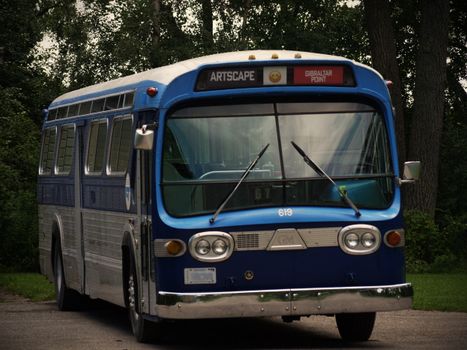 Photo: Enrique B / Pexels
 Photo: Ali Kazal / Pexels
 Photo: Helena Lopes / Pexels
 Photo: Ali Kazal / Pexels