Your Ultimate Guide: How to Get Around Toronto Easily
how to get around toronto

Your Ultimate Guide: How to Get Around Toronto Easily

Unlock Toronto's vibrant neighborhoods and attractions with expert tips on navigating its diverse transportation options.

Start Exploring Now

Key Takeaways

  • ✓ The TTC (Toronto Transit Commission) is the primary public transport system, encompassing subways, streetcars, and buses.
  • ✓ PRESTO card is essential for seamless travel on the TTC and other regional transit agencies.
  • ✓ Toronto is a very walkable city, especially downtown and in many distinct neighborhoods.
  • ✓ Ride-sharing services and taxis are readily available but can be more expensive than public transit.

How It Works

1
Understand Toronto's Layout

Familiarize yourself with the major districts (Downtown, Midtown, Uptown, East End, West End) and their relation to key attractions. This helps in planning your routes efficiently.

2
Choose Your Primary Mode

Decide whether public transit, walking, cycling, or a combination best suits your itinerary and budget. For extensive travel, the TTC is usually the most cost-effective.

3
Acquire a PRESTO Card

If using public transit, purchase a PRESTO card at subway stations, Shoppers Drug Mart, or online. Load it with funds for easy tap-and-go access across the system.

4
Utilize Navigation Apps

Download apps like Google Maps or Citymapper for real-time transit information, walking directions, and bike routes. These are invaluable for navigating Toronto's complex network.

Mastering Toronto's Public Transit (TTC)
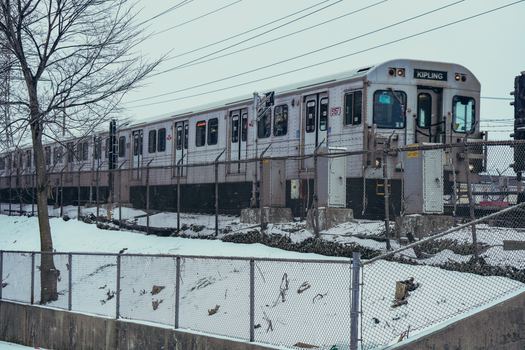
A winter scene featuring a train near Kipling Station in Toronto, Canada. Photo: Ahnaf Piash / Pexels
Navigating Toronto efficiently often begins and ends with understanding its robust public transit system, operated by the Toronto Transit Commission (TTC). The TTC is an expansive network comprising subways, streetcars, and buses, designed to connect virtually every corner of this sprawling metropolis. For visitors and residents alike, mastering the TTC is key to unlocking the city without the hassle of driving and parking. The subway system forms the backbone of the TTC, with two primary lines: Line 1 (Yonge-University) and Line 2 (Bloor-Danforth). Line 1 runs in a U-shape, connecting North York and Vaughan to downtown, passing through major hubs like Union Station, Yonge-Dundas Square, and Yorkville. Line 2 runs east-west, providing crucial links across the city's central corridor. Both lines intersect at several points, making transfers relatively straightforward. Subway trains are generally frequent, especially during peak hours, and offer a quick way to cover long distances. Beyond the subway, Toronto's iconic streetcar network is a charm in itself and incredibly practical for traversing downtown and its surrounding neighborhoods. Routes like the 501 Queen, 504 King, and 510 Spadina are not just modes of transport but offer a scenic glimpse into the city's vibrant street life. Streetcars are particularly useful for shorter trips within the downtown core where subway stations might be a bit further apart. However, be mindful of traffic, as streetcars share the road with cars, which can sometimes lead to delays. Buses fill in the gaps where subways and streetcars don't reach, extending the TTC's coverage into residential areas, industrial zones, and suburban communities. With hundreds of bus routes, you can get almost anywhere in Toronto using a combination of these three modes. Paying for the TTC is made simple with the PRESTO card. This reloadable smart card is your best friend for public transit in Toronto. You can purchase a PRESTO card at any subway station, Shoppers Drug Mart, or online, and load it with money or a monthly pass. A single tap of your PRESTO card at the turnstile or on the streetcar/bus reader grants you access. Cash fares are also an option, but they require exact change and are generally more expensive than PRESTO fares. Children 12 and under ride free on the TTC, which is a fantastic benefit for families exploring the city. For those planning to use transit extensively over a short period, a PRESTO Day Pass might be a cost-effective option, offering unlimited travel for a 24-hour period. Remember to always tap your PRESTO card when entering and exiting GO Transit services, as fares are distance-based, but for TTC, you only tap upon entry. Understanding the integrated nature of the TTC, where one fare allows for transfers between all three modes within a two-hour window, is crucial for efficient travel. Planning your TTC routes with Google Maps or the official TTC app will save you time and confusion.

Exploring Toronto on Foot and by Bike

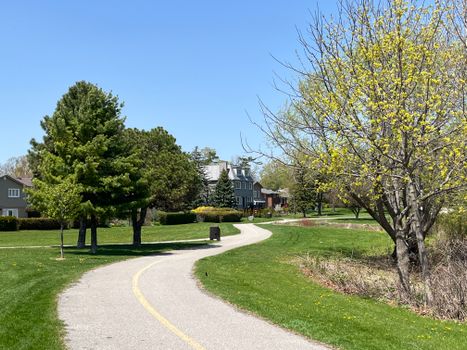
Serene suburban park in springtime Toronto with a winding path and blooming trees. Photo: Prabir M / Pexels
While the TTC is excellent for covering large distances, Toronto truly comes alive when explored on foot or by bike. Many of the city's most charming neighborhoods and iconic attractions are best discovered at a slower pace, allowing you to soak in the atmosphere, admire the architecture, and stumble upon hidden gems. Downtown Toronto, in particular, is incredibly walkable. From the bustling Yonge-Dundas Square to the historic Distillery District, and from the financial district's towering skyscrapers to the waterfront's serene promenades, you can easily spend days exploring these areas on foot. Key attractions like the CN Tower, Rogers Centre, Ripley's Aquarium, and the Harbourfront Centre are all within comfortable walking distance of each other and Union Station, making pedestrian exploration a highly rewarding experience. Strolling through Kensington Market or Queen Street West offers a completely different vibe, with their eclectic shops, vibrant street art, and diverse culinary scenes, all best appreciated at a leisurely pace. Beyond the downtown core, many of Toronto's distinct neighborhoods, such as Yorkville, Leslieville, and the Annex, are designed for pedestrian enjoyment. These areas boast tree-lined streets, unique boutiques, cozy cafes, and beautiful Victorian houses. Walking allows you the flexibility to stop whenever something catches your eye, whether it's a captivating street performer, a tempting bakery, or a beautiful park. It's also an excellent way to get your bearings and understand the city's layout and character more intimately. Always wear comfortable shoes, especially if you plan on covering significant ground, and be mindful of Toronto's sometimes unpredictable weather – layers are always a good idea. For those who prefer two wheels, Toronto has made significant strides in becoming a more bike-friendly city. An expanding network of dedicated bike lanes and shared cycling paths makes it increasingly safe and enjoyable to cycle around. Bike Share Toronto is a fantastic option for visitors, offering hundreds of stations throughout the city where you can pick up and drop off bikes. With various pass options, from single rides to 24-hour access, it's a flexible and affordable way to explore. Popular cycling routes include the Martin Goodman Trail, which stretches along the waterfront, offering stunning views of Lake Ontario and the city skyline, and paths through High Park, the city's largest public park. Cycling provides a unique perspective on Toronto, allowing you to cover more ground than walking while still experiencing the city up close. It's particularly effective for bridging the gap between public transit stops and your final destination, or for exploring areas slightly off the main transit lines. Remember to always wear a helmet (though not legally required for adults in Ontario, it's highly recommended), obey traffic laws, and be aware of pedestrians and other cyclists. Toronto's commitment to creating more accessible and enjoyable pedestrian and cycling infrastructure means that exploring the city on foot or by bike is not just an option, but a truly enriching way to experience its diverse offerings.

Ride-Sharing, Taxis, and Car Rentals in Toronto
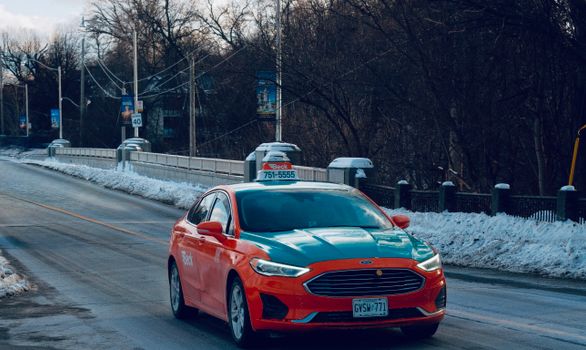
Taxi with distinct livery driving on a snowy bridge in Toronto, capturing the essence of winter travel. Photo: Karan Dalal / Pexels
While public transit, walking, and cycling offer excellent ways to experience Toronto, there are times when ride-sharing services, traditional taxis, or even car rentals become the most convenient or necessary options. For late-night travel, carrying heavy luggage, or when speed and directness are paramount, these alternatives provide flexibility that other modes might not. Ride-sharing apps like Uber and Lyft are widely available and extremely popular in Toronto. They offer a convenient, on-demand service accessed directly from your smartphone. Simply open the app, enter your destination, and a driver will typically arrive within minutes. The estimated fare is provided upfront, which helps in budgeting, and payment is handled seamlessly through the app. This eliminates the need for cash and often provides a slightly more affordable option than traditional taxis, especially for shorter distances or during off-peak hours. Ride-sharing is particularly useful for reaching areas not well-serviced by public transit or for navigating after the subway stops running for the night (around 1:30 AM on weekdays and Saturdays, and midnight on Sundays). However, be aware of surge pricing during high-demand times, such as major events or inclement weather, which can significantly increase fares. Traditional taxis are also readily available throughout Toronto, especially at major transportation hubs like Union Station, Pearson International Airport, and popular tourist areas. You can hail a taxi on the street, find them at designated taxi stands, or call a local cab company. Taxis in Toronto operate on a metered fare system, and while they might sometimes be pricier than ride-shares, they offer a reliable and regulated service. Taxi drivers are often highly knowledgeable about the city's streets and can be a good choice if you prefer a direct, no-fuss journey without relying on an app. Both ride-sharing and taxis are excellent choices for getting to and from the airport, offering door-to-door service that can be invaluable after a long flight. Car rentals are generally not recommended for exploring downtown Toronto due to heavy traffic, expensive parking, and the efficiency of public transit. However, renting a car becomes a viable and often necessary option if your itinerary includes day trips outside the city to destinations like Niagara Falls, Algonquin Park, or other regions of Ontario. Major car rental agencies have counters at Pearson International Airport and various downtown locations. If you do opt for a rental car, be prepared for urban driving conditions, including one-way streets, busy intersections, and the need to pay for parking, which can add up quickly. Always check parking availability and costs at your destinations in advance. Having a GPS or a reliable navigation app is indispensable when driving in Toronto to help you navigate its complex road network. Consider the time of day you'll be driving; rush hour (typically 7-9 AM and 4-6 PM on weekdays) can significantly extend travel times. Understanding Toronto's traffic patterns is crucial for making the most of a rental car.

Tips for Seamless Travel and Common Mistakes to Avoid
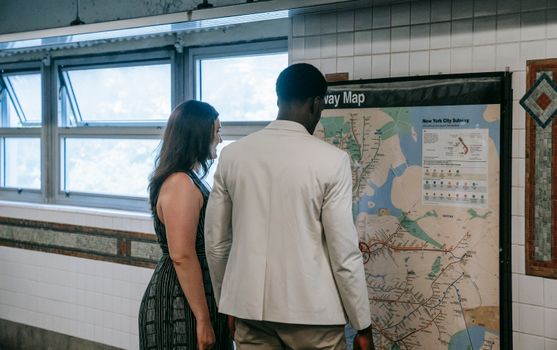
Man and woman examining New York City subway map in subway station. Photo: Liliana Drew / Pexels
Navigating a new city can be daunting, but with a few insider tips and an awareness of common pitfalls, you can ensure your Toronto travel experience is as smooth and enjoyable as possible. **Top Tips for Seamless Travel:** * **Get a PRESTO Card Immediately:** This is perhaps the single most important tip for public transit. It saves you money compared to cash fares and makes transfers effortless. You can buy and load it at subway stations or most Shoppers Drug Mart locations. Remember to tap on and off when using GO Transit, but only tap on when using the TTC. * **Download Navigation Apps:** Google Maps and Citymapper are invaluable. They provide real-time transit schedules, estimated arrival times, and step-by-step directions for walking, cycling, and public transit. They can even alert you to service disruptions. * **Consider a Day Pass or Weekly Pass:** If you plan extensive travel on the TTC, especially over a weekend or a few consecutive days, a PRESTO Day Pass or a weekly pass might offer better value than individual fares. Calculate your expected usage to determine the most cost-effective option. * **Embrace Walking:** Many of Toronto's most captivating areas are best explored on foot. Wear comfortable shoes and allocate time for strolling through neighborhoods like Kensington Market, the Distillery District, or along the Harbourfront. * **Utilize Bike Share Toronto:** For shorter distances or scenic routes, Bike Share Toronto is a fantastic, affordable option. Its numerous stations make it easy to pick up and drop off bikes conveniently. * **Travel Off-Peak if Possible:** If your schedule allows, try to use public transit outside of morning (7-9 AM) and afternoon (4-6 PM) rush hours to avoid crowded trains and buses. * **Stay Hydrated and Dress in Layers:** Toronto weather can be unpredictable. Be prepared for sudden changes, especially if you're spending a lot of time outdoors. **Common Mistakes to Avoid:** * **Not Getting a PRESTO Card:** Relying solely on cash fares for the TTC is more expensive and less convenient. Don't make this mistake. * **Underestimating Walking Distances:** While many areas are walkable, Toronto is a large city. Don't assume everything is just a short stroll away. Check distances on your map app. * **Driving Downtown During Rush Hour:** Unless absolutely necessary, avoid driving in the downtown core during peak traffic times. Parking is also a significant challenge and expense. * **Forgetting to Check Transit Schedules:** While frequent, especially on main lines, some bus routes or specific times (late nights, weekends) might have less frequent service. Always check your app before heading out. * **Ignoring the GO Train/Bus for Regional Travel:** For trips beyond the TTC's reach, such as to the Greater Toronto Area (GTA) suburbs or attractions like Niagara Falls, the GO Transit system (trains and buses) is your best bet. Don't limit yourself to just the TTC. * **Not Tapping Off GO Transit:** Unlike the TTC, GO Transit fares are distance-based. If you don't tap off at your destination, you could be charged the maximum fare for your trip. * **Carrying Too Much Luggage on Public Transit During Peak Hours:** While possible, it can be extremely challenging and uncomfortable on crowded subways and streetcars. Consider a taxi or ride-share for airport transfers or moving between accommodations with heavy bags. By keeping these tips and warnings in mind, you'll navigate Toronto like a seasoned local, maximizing your time and enjoyment in this dynamic Canadian city.

Comparison

FeatureBest OptionAlternative 1Alternative 2
Cost-EffectivenessTTC (with PRESTO)Bike Share TorontoWalking
Speed (Long Distances)Subway (TTC)GO Train (Regional)Ride-Share (off-peak)
Flexibility/On-DemandRide-ShareTaxiBike Share Toronto
Scenic ExplorationWalkingStreetcar (TTC)Cycling (waterfront)
Airport AccessUP ExpressTaxi/Ride-ShareTTC (Bus 900)
Eco-FriendlinessWalking/CyclingTTCElectric Ride-Share
Night Travel (after 1:30 AM)Taxi/Ride-ShareNight Bus (TTC)N/A

What Readers Say

"Using the PRESTO card for the TTC was an absolute game-changer for how to get around Toronto. It made hopping on and off subways and streetcars incredibly easy and affordable."

Sarah L. · Vancouver, BC

"We walked everywhere downtown and then used the streetcars for longer stretches; it was the perfect combination. Toronto is surprisingly walkable, and the transit is very clean."

Mark D. · New York, NY

"Figuring out how to get around Toronto was simple thanks to Google Maps and the TTC. We saved so much money by relying on public transport instead of taxis, allowing us to splurge on experiences."

Jessica M. · London, UK

"The TTC is good, but rush hour can be very crowded. For early morning meetings, I opted for Uber, which was more expensive but guaranteed I'd be on time without the squeeze."

David R. · Calgary, AB

"We rented bikes through Bike Share Toronto and explored the waterfront trail. It was such a fantastic way to see the city from a different perspective and definitely a highlight of our trip."

Emily K. · Boston, MA

Frequently Asked Questions

What's the best way to get from Toronto Pearson International Airport (YYZ) to downtown?

The UP Express (Union Pearson Express) is the fastest and most convenient option, taking only 25 minutes directly to Union Station in downtown Toronto. Alternatively, the TTC offers a more budget-friendly bus service (900 Airport Express) that connects to the subway system, or you can opt for taxis or ride-sharing services for door-to-door convenience.

Is Toronto public transit safe at night?

Yes, Toronto's public transit system (TTC) is generally considered safe at night. Major subway stations are monitored, and streetcars and buses operate with regular routes. However, as with any large city, it's always wise to remain aware of your surroundings, especially if traveling alone during very late hours.

How do I pay for public transit in Toronto?

The easiest way to pay for public transit (TTC and GO Transit) is with a PRESTO card. You can load funds onto it and tap to pay. PRESTO cards are available at subway stations, Shoppers Drug Mart, and online. Cash fares are also accepted on buses and streetcars (exact change required), but they are more expensive than PRESTO fares.

Is it worth renting a car to get around Toronto?

For exploring downtown Toronto and its immediate neighborhoods, a rental car is generally not recommended due to heavy traffic, expensive parking, and the efficiency of the TTC. However, if you plan on taking day trips outside the city to places like Niagara Falls or Muskoka, a rental car becomes a valuable asset.

How does Toronto's public transit compare to other major North American cities?

Toronto's TTC is often lauded for its extensive coverage and relative reliability, particularly its subway and streetcar networks, which are more prominent than in many other North American cities. While it faces similar challenges with funding and occasional delays, its integration of subways, streetcars, and buses provides comprehensive access to the city, often comparing favorably in terms of efficiency to systems like Boston's MBTA or Chicago's 'L'.

Who should use Bike Share Toronto?

Bike Share Toronto is ideal for visitors and residents who want to cover moderate distances, enjoy scenic routes (like the waterfront), and prefer an active mode of transport. It's perfect for bridging gaps between transit stops, exploring parks, or simply enjoying the city's outdoor spaces at your own pace without the commitment of owning a bike.

Are there any apps that can help me navigate Toronto's transit?

Absolutely! Google Maps is highly effective for real-time transit directions, walking routes, and cycling paths in Toronto. Citymapper is another excellent app specifically designed for urban transit, offering detailed routing, real-time updates, and service alerts for the TTC and GO Transit.

What are the future trends for getting around Toronto?

Toronto is continuously investing in its transit infrastructure, with ongoing expansions to the subway system (e.g., the Scarborough Subway Extension and Ontario Line). There's also a growing emphasis on active transportation, with more dedicated bike lanes and pedestrian-friendly zones planned, alongside advancements in electric vehicle charging infrastructure and autonomous vehicle testing.

Armed with this comprehensive guide, you're now ready to confidently tackle how to get around Toronto. Whether you choose the efficiency of the TTC, the charm of walking, or the convenience of ride-sharing, Toronto's diverse transportation options await your exploration. Plan your journey, embrace the adventure, and discover all that this incredible city has to offer.

Topics: how to get around torontotoronto public transittoronto transportationgetting around torontotoronto travel tips
Leo List

IE Escorts NO Escorts US Escorts NZ Escorts AU Escorts
Brampton weed
Adultwork EstrelaBet Vai de Bet R7 Bet Betão Galera Bet Rainbet Bet9ja Shop SportyBet BetKing Sisal Loto Foot Hollywoodbets YesPlay Odibets RushBet Jugabet BetWarrior BetCity MSport betPawa Fortebet