How Much Does a Canada Trip Cost? Your Ultimate Budget Guide
how much does canada trip cost

How Much Does a Canada Trip Cost? Your Ultimate Budget Guide

Unlock the secrets to budgeting for your Canadian adventure, from flights to poutine, and make your dream trip a reality.

Plan Your Canada Trip

Key Takeaways

  • ✓ A 7-day trip to Canada can range from CAD 1,500 (budget) to CAD 5,000+ (luxury) per person.
  • ✓ Accommodation is often the largest variable cost, with options from hostels to luxury resorts.
  • ✓ Flights to Canada vary significantly based on origin, season, and booking time.
  • ✓ Food costs can be managed by balancing restaurant meals with grocery shopping.
  • ✓ Activities, from national park passes to city tours, require careful budgeting.

How It Works

1
Define Your Travel Style

Determine if you're a budget traveler, mid-range explorer, or luxury seeker. This choice impacts every aspect of your trip's cost.

2
Estimate Core Expenses

Research approximate costs for flights, accommodation, transportation, and food based on your chosen style. Use online tools and comparison sites.

3
Budget for Activities & Incidentals

Factor in attractions, tours, souvenirs, and a contingency fund for unexpected expenses. These can add up quickly.

4
Track and Adjust

While traveling, monitor your spending against your budget. Be flexible and willing to adjust plans to stay on track.

Understanding the Variables: What Influences Your Canada Trip Cost?
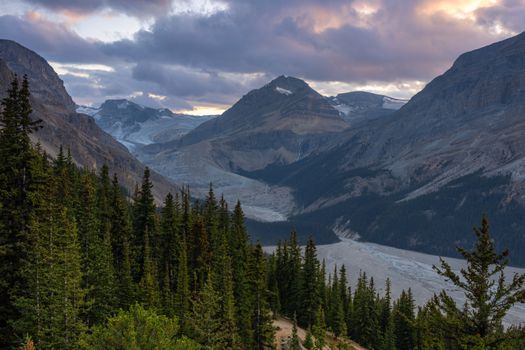
Stunning view of Jasper's mountains and forests under a dramatic twilight sky. Photo: Sergey Guk / Pexels
Planning a trip to Canada is an exciting endeavor, but one of the first questions that comes to mind for many travelers is, "how much does a Canada trip cost?" The truth is, there's no single answer, as the total expenditure is a dynamic figure influenced by a multitude of factors. Understanding these variables is the first crucial step in creating a realistic budget for your Canadian adventure. Firstly, your travel style plays a monumental role. Are you a backpacker content with hostels and street food, or do you prefer boutique hotels and fine dining? Your preference will drastically shift the cost spectrum. Budget travelers might spend significantly less per day compared to those seeking a mid-range or luxury experience. The duration of your trip is another obvious but critical factor. A weekend getaway to Montreal will naturally cost less than a two-week cross-country expedition. Each additional day means more accommodation, food, and activity expenses. Similarly, the time of year you choose to visit Canada can have a profound impact on prices. Peak seasons, such as summer (June to August) and popular winter ski months, see higher demand for flights and accommodation, driving up costs. Conversely, shoulder seasons (spring and fall) often offer more affordable rates and fewer crowds. The specific regions you plan to visit within Canada also matter immensely. Major cities like Vancouver, Toronto, and Calgary tend to have higher prices for accommodation, dining, and some activities compared to smaller towns or rural areas. Exploring the Canadian Rockies, while breathtaking, involves costs for national park passes and potentially specialized gear or guided tours. Transportation within Canada is another significant budget item. Will you be flying between provinces, renting a car for a scenic road trip, or relying on public transport? Each option comes with its own price tag, from fuel costs to inter-city flight tickets. Finally, your chosen activities, from whale watching in British Columbia to exploring historical sites in Quebec, will add to the overall cost. Some attractions are free, while others have substantial entrance fees. By carefully considering these variables, you can begin to paint a clearer picture of your potential expenses and tailor your trip to fit your financial comfort zone. For more general travel budgeting tips, you might find our guide on how to budget for travel insightful.

Breaking Down the Budget: Flights, Accommodation, and Transportation in Canada

Vibrant night view of Toronto skyline featuring the illuminated CN Tower reflecting on the water. Photo: Mike Norris / Pexels
When calculating how much a Canada trip costs, the triumvirate of flights, accommodation, and in-country transportation usually forms the largest portion of your budget. Let's delve into each of these categories to provide a clearer financial outlook. **Flights:** The cost of flying to Canada is highly variable. It depends heavily on your departure city, the time of year, how far in advance you book, and which Canadian city you're flying into. For instance, flying from Europe or Asia to major hubs like Toronto (YYZ), Vancouver (YVR), or Montreal (YUL) during peak summer can easily range from CAD 800 to CAD 1,500+ for a round trip. From the US, flights can be significantly cheaper, sometimes as low as CAD 300-600 round trip, especially to border cities. Booking well in advance (3-6 months) and being flexible with your travel dates can yield substantial savings. Consider flying into a less popular airport and taking ground transport if it's significantly cheaper. **Accommodation:** This is arguably the most flexible part of your budget. Canada offers a vast range of lodging options. Hostels, popular among budget travelers, can cost CAD 30-70 per night for a dorm bed in major cities. Mid-range hotels, B&Bs, and vacation rentals (like Airbnb) typically range from CAD 120-300 per night, depending on the location and amenities. Luxury hotels and resorts, particularly in prime locations like downtown Vancouver or Banff, can easily exceed CAD 300-600+ per night. Camping is an excellent budget-friendly option, with national and provincial park campsites costing CAD 20-50 per night. Remember that prices in popular tourist destinations and major cities will always be at the higher end of these ranges. **In-Country Transportation:** How you get around Canada will significantly impact your budget. If you plan to explore multiple regions, domestic flights are often the quickest but most expensive option, with inter-city flights ranging from CAD 150-500+. Renting a car is popular for road trips, offering flexibility. A compact car rental can cost CAD 40-80 per day, plus fuel (which varies by province, but expect around CAD 1.50-2.00 per liter) and insurance. For solo travelers or those on a tight budget, inter-city buses (like Greyhound or local operators) offer a more economical alternative, though they are slower. Train travel with VIA Rail offers scenic routes but can be pricey, often comparable to domestic flights unless booking well in advance for special fares. Within cities, public transit (buses, subways, streetcars) is efficient and affordable, with daily passes costing around CAD 10-15. Taxis and ride-sharing services are also available but add up quickly for frequent use. Planning your transportation strategy early is key to managing your overall Canada trip cost.

Culinary Delights and Engaging Activities: Food & Entertainment Budgeting

A vibrant vegetarian stir fry with colorful veggies served on a white plate with cutlery. Photo: Matthew Barra / Pexels
Beyond the essentials of getting there and having a place to sleep, the daily expenses for food and activities are where your personal preferences truly shine, and where you can significantly influence how much your Canada trip costs. Canada's culinary scene is diverse, ranging from classic poutine and fresh seafood to international gourmet experiences. Your approach to dining will largely dictate this portion of your budget. **Food Budget:** For budget travelers, cooking some of your meals is the most effective way to save. Grocery store prices are comparable to many Western countries, and you can prepare simple breakfasts and lunches, keeping daily food costs to CAD 30-50. Eating out at fast-food chains or casual diners might cost CAD 15-25 per meal. Mid-range travelers who enjoy a mix of cooking and dining out can expect to spend CAD 60-100 per day. This allows for some nice restaurant meals, perhaps a few craft beers, and the occasional coffee shop treat. For those seeking a more luxurious culinary experience, including fine dining and frequent restaurant visits, expect to budget CAD 120-200+ per day. Don't forget about tipping, which is customary in Canada (15-20% at restaurants). Also, factor in the cost of alcoholic beverages, which can be quite expensive, especially in licensed establishments. Visiting local markets for fresh produce and trying local specialties from food trucks can be both an authentic experience and a way to manage costs. For more detailed insights into managing your travel expenses, check out our article on smart travel budgeting strategies. **Activities & Entertainment:** This category is entirely up to you and your interests. Canada boasts an incredible array of activities, from exploring vibrant cities to immersing yourself in nature. Many natural attractions, such as hiking trails in provincial parks (outside of national parks), offer free access. However, national parks require a Parks Canada Discovery Pass (CAD 75.25 for an adult annual pass, or CAD 21.00 for a daily pass), which is a worthwhile investment if you plan to visit multiple parks. Specific tours, such as whale watching (CAD 100-150), helicopter tours over the Rockies (CAD 200-500+), or city sightseeing tours (CAD 50-100), will add up. Museum entry fees typically range from CAD 15-30. Ski lift tickets can be CAD 100-200+ per day during peak season. Budget around CAD 50-150 per day for activities if you plan to do one or two paid attractions. If you're a nature lover, focusing on free hikes and scenic drives can keep this cost low. City explorers can enjoy free walking tours, exploring diverse neighborhoods, and visiting public art installations. Always check for combo passes or city passes if you plan to visit multiple paid attractions, as these can offer significant savings. Remember to account for any gear rentals (ski equipment, kayaks, etc.) as well.

Smart Saving Strategies & Common Budgeting Mistakes for Your Canada Trip
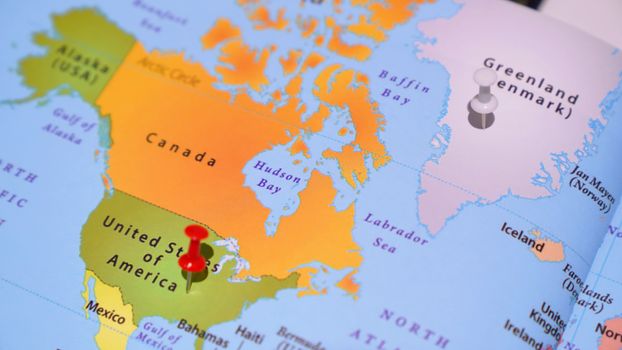
Colorful map featuring North America with pins on Greenland and USA. Photo: UMA media / Pexels
Navigating the financial landscape of a Canadian vacation doesn't have to be daunting. With a few smart saving strategies and an awareness of common budgeting pitfalls, you can significantly reduce how much your Canada trip costs without sacrificing the experience. Here are some key tips and mistakes to avoid: **Smart Saving Strategies:** * **Travel in Shoulder Seasons:** Visiting during spring (April-May) or fall (September-October) often means lower prices for flights and accommodation, fewer crowds, and pleasant weather. * **Book in Advance:** Especially for flights and popular accommodations, booking several months ahead can secure better rates. * **Utilize Loyalty Programs:** If you have airline miles or hotel points, Canada is a great place to redeem them for significant savings. * **Cook Your Own Meals:** Staying in accommodations with kitchen facilities and cooking some of your meals is one of the most effective ways to save on food costs. * **Embrace Public Transport & Walking:** Major Canadian cities have excellent public transportation. Walking is also a fantastic way to explore and save on taxi fares. * **Prioritize Free Activities:** Canada offers an abundance of free natural beauty – hiking, parks, scenic drives, and some urban attractions. * **Look for Deals & Discounts:** Check websites like Groupon for local activity deals, and inquire about student or senior discounts if applicable. * **Travel with Friends/Family:** Sharing costs for accommodation, car rentals, and even some meals can significantly reduce individual expenses. * **Pack Smart:** Avoid overweight baggage fees and bring essentials like reusable water bottles to save on bottled water. **Common Budgeting Mistakes to Avoid:** * **Underestimating Exchange Rates:** If you're coming from outside Canada, the exchange rate can significantly impact your perceived costs. Always budget in Canadian Dollars (CAD). * **Forgetting About Taxes & Tips:** Prices listed in Canada often exclude sales tax (GST/PST/HST, which varies by province, typically 5-15%) and tips (15-20% for service). These can add substantially to your bill. * **Ignoring Travel Insurance:** While not a daily expense, skimping on travel insurance can lead to massive unforeseen costs if you face medical emergencies, trip cancellations, or lost luggage. * **Over-scheduling:** Trying to cram too much into your itinerary can lead to rushed experiences and unexpected transportation costs as you zip between locations. * **Not Budgeting for Souvenirs:** It's easy to get caught up in the moment. Allocate a small portion of your budget for gifts and mementos. * **Relying Solely on Credit Cards:** While convenient, credit card foreign transaction fees can add up. Consider a travel-friendly debit card or carrying some local currency. * **Impulse Spending:** Stick to your planned budget as much as possible. Spontaneous splurges, while fun, can quickly derail your financial plan. By being mindful of these strategies and pitfalls, you can ensure your Canadian adventure is both memorable and financially sustainable.

Comparison

Expense CategoryBudget Traveler (per day)Mid-Range Traveler (per day)Luxury Traveler (per day)
AccommodationCAD 30-70CAD 120-300CAD 300-600+
FoodCAD 30-50CAD 60-100CAD 120-200+
Local TransportCAD 10-25CAD 20-50CAD 50-100+
ActivitiesCAD 0-30CAD 50-150CAD 150-300+

What Readers Say

"Before reading this, I had no idea how much a Canada trip cost. This guide helped me plan an amazing 10-day trip to Banff and Jasper for under CAD 2500, including flights. The tips on shoulder season travel were invaluable!"

Sarah L. · Austin, TX

"We were overwhelmed trying to budget for our cross-Canada adventure. This article broke down the costs perfectly, from car rentals to poutine, giving us the confidence to plan a fantastic three-week journey within our means."

Mark D. · London, UK

"I used the mid-range traveler estimates to plan my 2-week trip to Toronto and Montreal. It was spot on! I spent roughly CAD 3800, which felt like excellent value for the experiences I had."

Jessica P. · Sydney, AUS

"The guide was mostly excellent, though I found some flight estimates a bit low for peak summer travel from the US. Still, the breakdown for food and activities was incredibly helpful in preventing overspending."

David R. · Seattle, WA

"As a solo backpacker, the budget traveler section was a lifesaver. I managed to explore British Columbia for three weeks, largely by cooking my own meals and using hostels, staying well within my CAD 1800 budget (excluding flights)."

Emily K. · Berlin, GER

Frequently Asked Questions

What's a realistic budget for a 7-day trip to Canada?

A realistic budget for a 7-day trip to Canada can range significantly. For a budget traveler, expect around CAD 1,500 - 2,500 per person. A mid-range trip might cost CAD 2,500 - 4,000, while a luxury experience could easily exceed CAD 5,000 per person, excluding international flights. These figures depend heavily on your chosen region, activities, and accommodation style.

Is Canada an expensive country to visit?

Canada can be considered moderately expensive, comparable to Western Europe or Australia, but generally less expensive than the US for many goods and services, especially with a favorable exchange rate. Major cities like Vancouver and Toronto are pricier, while rural areas offer more affordable options. Strategic planning can make it very accessible.

How can I save money on flights to Canada?

To save on flights, book 3-6 months in advance, be flexible with your travel dates (consider shoulder seasons), use flight comparison websites, and consider flying into smaller airports or major hubs that might be cheaper, then taking ground transport. Loyalty points and email alerts for fare drops are also great tools.

What's the best way to budget for food in Canada?

The best way to budget for food is to balance eating out with cooking your own meals. Stay in accommodations with kitchens, shop at local grocery stores, and pack snacks. When dining out, look for lunch specials, happy hour deals, and casual eateries. Don't forget to factor in 15-20% for tips.

Are national park passes worth it for a Canada trip?

If you plan to visit multiple national parks in Canada, a Parks Canada Discovery Pass (annual pass) is definitely worth it. It covers entry to all national parks, national historic sites, and national marine conservation areas for a year. If you're only visiting one park for a day or two, a daily pass might be more cost-effective.

Who should use this Canada trip cost guide?

This guide is ideal for anyone planning a trip to Canada, whether you're a first-time visitor or a seasoned traveler looking for updated budgeting insights. It caters to various travel styles, from budget-conscious backpackers to those seeking a more luxurious Canadian experience, providing actionable advice for all.

What are the hidden costs I should be aware of?

Hidden costs often include sales taxes (GST/PST/HST), mandatory tipping for service, foreign transaction fees on credit cards, travel insurance, and unexpected costs like baggage fees or parking. Always build a 10-15% contingency into your budget for unforeseen expenses.

How might the cost of a Canada trip change in the next few years?

The cost of a Canada trip is likely to see gradual increases due to inflation, rising fuel prices affecting transportation, and growing demand for popular destinations. However, exchange rates will continue to play a significant role. Sustainable travel initiatives might also introduce new costs or incentives, so staying updated with current economic trends is advisable.

Now that you have a comprehensive understanding of how much a Canada trip costs, you're equipped to plan your dream adventure. Start outlining your itinerary, comparing prices, and get ready to experience the incredible beauty and vibrant culture of Canada without breaking the bank. Your Canadian journey awaits!

Topics: how much does canada trip costcanada travel budgetcanada vacation costtravel to canada pricecost of living in canada for tourists
Leo List
Brampton weed
Adultwork