✓ Banff National Park boasts over 1,600 kilometers of maintained trails.
✓ Trails range from easy paved paths to multi-day backcountry expeditions.
✓ Wildlife encounters (bears, elk) are common; carry bear spray and know how to use it.
✓ Park passes are required for entry and can be purchased online or at gate.
How It Works
1
Choose Your Difficulty
Banff offers trails for all abilities. Consider your fitness level and desired challenge when selecting a hike.
2
Prepare & Pack Smart
Weather can change rapidly. Pack layers, plenty of water, snacks, a first-aid kit, and bear spray.
3
Check Conditions & Alerts
Before heading out, consult Parks Canada for trail closures, weather forecasts, and wildlife warnings. Safety first!
4
Respect the Environment
Stay on marked trails, pack out all trash, and give wildlife ample space. Leave no trace principles are paramount.
Embarking on Your Banff Hiking Adventure: An Overview
Photo: Nunzio Guerrera / Pexels
Banff National Park, a UNESCO World Heritage site, is a hiker's paradise, offering an unparalleled array of landscapes from turquoise glacial lakes to towering, snow-capped peaks. The sheer diversity of hiking trails in Banff National Park means there's an adventure waiting for everyone, regardless of experience or fitness level. Whether you're seeking a leisurely stroll with stunning views or a challenging multi-day trek deep into the backcountry, Banff delivers. This guide will equip you with everything you need to plan an unforgettable hiking experience, ensuring you make the most of this iconic Canadian destination.
Before lacing up your boots, it's crucial to understand the unique characteristics of hiking in a mountain environment. Weather can be unpredictable, changing rapidly from sunny skies to sudden downpours or even snow, even in summer. Proper preparation is not just recommended; it's essential for your safety and enjoyment. This includes dressing in layers, carrying adequate water and food, and being equipped for emergencies.
Beyond the weather, wildlife is an integral part of the Banff experience. Encounters with elk, deer, bighorn sheep, and even bears are common. Knowing how to react in these situations, carrying bear spray, and hiking in groups are vital safety precautions. Parks Canada provides excellent resources on wildlife safety, which should be reviewed before any hike.
Banff's popularity means that some trails, especially those around Lake Louise and Moraine Lake, can get very busy, particularly during peak season (June to September). To avoid crowds and secure parking, consider starting your hikes early in the morning or exploring less-trafficked trails. Utilizing public transport or shuttle services to popular trailheads is also a smart strategy, reducing traffic congestion and your environmental footprint.
Finally, remember that you are hiking in a protected national park. Adhering to 'Leave No Trace' principles is paramount. This means staying on marked trails, packing out everything you pack in, respecting wildlife, and minimizing your impact on the delicate ecosystem. By doing so, you contribute to the preservation of this magnificent natural wonder for future generations. For more general travel tips to the region, be sure to check our other guides.
Iconic Day Hikes: Must-Do Trails for Every Hiker
Photo: Andrew Patrick Photo / Pexels
Banff National Park is home to a collection of world-renowned day hikes that offer breathtaking scenery and accessible adventures. For those seeking an introduction to the park's splendor, the Lake Agnes Teahouse Trail near Lake Louise is a classic. This moderate 7 km round trip hike ascends through a fragrant pine forest to a charming teahouse built in 1901, offering hot drinks and snacks beside the serene Lake Agnes. The views back down to Lake Louise are simply spectacular.
Another quintessential Banff experience is the Plain of Six Glaciers Trail, also originating from Lake Louise. This challenging 13.8 km round trip hike leads adventurers through a stunning valley, past the Lower and Upper Victoria Glaciers, culminating at another historic teahouse. The panoramic views of towering peaks and active glaciers are truly unforgettable, making the effort worthwhile. For a slightly less strenuous option with equally stunning lake views, the Johnston Canyon Lower and Upper Falls trails are perfect. This easy to moderate 5.4 km round trip (to Upper Falls) hike features catwalks bolted into the canyon walls, allowing you to walk alongside the roaring river and past magnificent waterfalls. In winter, these falls freeze into incredible ice formations, making it a popular ice climbing destination.
Near the town of Banff, the Tunnel Mountain Trail offers a relatively easy 4.3 km loop with a rewarding summit. Though modest in elevation, Tunnel Mountain provides fantastic 360-degree views of the Bow Valley, the town of Banff, and surrounding peaks like Mount Rundle. It's a great option for a shorter hike, perhaps to catch a sunrise or sunset.
For a more challenging but incredibly rewarding experience, consider the Sulphur Mountain Trail. This 5.5 km one-way climb (or descent, if you take the gondola up) leads to a boardwalk summit with interpretive displays, restaurants, and unparalleled views of six mountain ranges. While strenuous, the well-maintained trail and the option to take the Banff Gondola make it accessible to many. Regardless of which iconic trail you choose, these hikes promise to immerse you in the raw beauty of the Canadian Rockies and create lasting memories. Remember to check trail conditions and advisories before heading out, as weather and wildlife can impact accessibility and safety.
Beyond the Crowds: Hidden Gems and Challenging Backcountry Hikes
Photo: Jaime Reimer / Pexels
While Banff's iconic trails are undeniably beautiful, the park also harbors numerous lesser-known routes and challenging backcountry expeditions for those seeking solitude and a deeper connection with the wilderness. Escaping the crowds often means venturing further from main access points or tackling more strenuous terrain, but the rewards are immense: pristine landscapes, increased chances of wildlife sightings, and a profound sense of accomplishment.
One such hidden gem is the Helen Lake and Cirque Peak Trail. Located off the Icefields Parkway, this moderate to difficult 12 km round trip hike leads through stunning alpine meadows bursting with wildflowers in summer, culminating in a pristine glacial lake. For those with extra energy, a scramble up Cirque Peak offers panoramic views of the surrounding ranges. The trailhead is less frequented than those around Lake Louise, providing a more tranquil experience.
For a true backcountry adventure, the Skoki Loop is a classic multi-day traverse. This challenging 3-4 day, 40 km loop takes hikers deep into the Skoki Valley, past several alpine lakes, over high passes, and through remote wilderness. Backcountry permits and reservations for campgrounds or the historic Skoki Lodge are essential well in advance. This hike requires significant preparation, including navigation skills, a robust understanding of bear country safety, and self-sufficiency.
Another excellent option for experienced hikers is the Cory Pass-Mount Edith Circuit. This strenuous 13 km loop near Banff town involves a significant elevation gain and some scrambling, but rewards hikers with incredible views of the Bow Valley, Mount Louis, and the unique limestone formations of Cory Pass. It's a demanding full-day hike best attempted by those with good fitness and a head for heights.
Exploring these less-trafficked trails allows for a more intimate experience with Banff's wild side. However, with increased solitude comes increased responsibility. Always inform someone of your itinerary, carry a satellite messenger or personal locator beacon for emergencies, and be prepared for all weather conditions. Group travel is highly recommended for backcountry excursions. For more information on preparing for your remote adventure, consult Parks Canada's backcountry safety guidelines.
Essential Tips for a Safe and Enjoyable Banff Hiking Experience
Photo: Ali Kazal / Pexels
To ensure your hiking adventure in Banff National Park is both safe and memorable, meticulous planning and adherence to best practices are crucial.
**1. Prioritize Safety:**
* **Bear Awareness:** Always carry bear spray and know how to use it. Make noise while hiking to avoid surprising wildlife. Hike in groups of three or more. Review Parks Canada's bear safety guidelines.
* **Weather Preparedness:** Mountain weather is highly unpredictable. Pack layers (even in summer), rain gear, and a hat. Check forecasts immediately before and during your hike.
* **Tell Someone:** Inform a trusted person of your itinerary, including your chosen trail, expected return time, and who you are hiking with.
* **Emergency Kit:** Carry a first-aid kit, headlamp, fire starter, multi-tool, and emergency blanket.
**2. Gear Up Properly:**
* **Footwear:** Sturdy, broken-in hiking boots with good ankle support are essential for varied terrain.
* **Navigation:** While trails are well-marked, a physical map and compass, or a reliable GPS device/app, are invaluable. Do not rely solely on your phone.
* **Water & Food:** Carry more water than you think you'll need. Pack high-energy snacks.
* **Sun Protection:** Sunglasses, sunscreen, and a wide-brimmed hat are vital due to high altitude UV exposure.
**3. Respect the Environment (Leave No Trace):**
* **Stay on Trails:** This protects fragile ecosystems and prevents erosion.
* **Pack it In, Pack it Out:** Leave no trash behind, including organic matter like fruit peels.
* **Wildlife Etiquette:** Observe wildlife from a distance. Never feed animals. Store food securely to prevent attracting wildlife.
* **Human Waste:** Bury human waste properly (6-8 inches deep, 200 feet from water sources and trails) and pack out toilet paper.
**4. Parking and Transportation:**
* **Arrive Early:** Popular trailheads fill up quickly, especially during peak season. Arrive before 8 AM for best chances.
* **Shuttles:** Utilize Parks Canada or private shuttles to popular destinations like Lake Louise and Moraine Lake to avoid parking hassles and reduce congestion.
* **Park Pass:** A valid Parks Canada pass is required for all visitors to the national park. Purchase online or at park gates.
By following these guidelines, you'll be well-prepared to enjoy the majestic hiking trails in Banff National Park responsibly and safely.
Comparison
Feature
Lake Agnes Teahouse
Plain of Six Glaciers
Johnston Canyon (Upper Falls)
Cory Pass Circuit
Difficulty
Moderate
Moderate-Difficult
Easy-Moderate
Difficult
Distance (Round Trip)
7 km
13.8 km
5.4 km
13 km
Elevation Gain
433 m
365 m
260 m
990 m
Crowd Level (Peak Season)
High
Medium-High
High
Low-Medium
Scenic Highlights
Lake Agnes, Teahouse, Lake Louise views
Glaciers, Teahouse, Alpine Views
Waterfalls, Catwalks, Canyon
Mountain passes, Bow Valley views
Backcountry Experience
✗
✗
✗
✓
What Readers Say
★★★★★
"The hiking trails in Banff National Park are absolutely breathtaking. We did the Lake Agnes Teahouse trail and the views were out of this world. Definitely worth the effort for the fresh air and stunning scenery!"
Sarah J. · Vancouver, BC
★★★★★
"Every trail we explored in Banff was meticulously maintained and offered unique perspectives of the Rockies. The Plain of Six Glaciers hike was a highlight, feeling like we stepped into a postcard. Unforgettable experience!"
Michael T. · Seattle, WA
★★★★★
"My family and I spent a week exploring the hiking trails in Banff National Park, and it exceeded all expectations. My kids (8 and 11) loved the Johnston Canyon trail, especially the catwalks. We saw an elk and even a bear from a safe distance!"
Emily R. · Toronto, ON
★★★★★
"Banff's hiking trails offer incredible beauty, though some of the popular ones can get quite busy. We found some amazing quieter trails by starting early. The views are always worth it, just manage expectations for crowds on certain routes."
David L. · Calgary, AB
★★★★★
"As an experienced hiker, I sought out more challenging trails. The Cory Pass Circuit was phenomenal – tough but incredibly rewarding. The sheer scale and beauty of the hiking trails in Banff National Park are truly world-class."
Jessica M. · London, UK
Frequently Asked Questions
What is the best time of year to hike in Banff National Park?
The best time for hiking in Banff is generally from late June to early October. During this period, most trails are snow-free, wildflowers are blooming, and the weather is typically mild. Earlier or later in the season may encounter snow, especially at higher elevations.
Do I need a park pass to access hiking trails in Banff?
Yes, a valid Parks Canada pass is required for anyone entering Banff National Park. These passes can be purchased daily or annually, online, or at the park gates. Funds from passes directly support the maintenance and conservation of the park.
How do I prepare for hiking with wildlife in Banff, especially bears?
Always carry bear spray and know how to use it. Make noise while hiking, especially in dense vegetation, to avoid surprising animals. Hike in groups, keep dogs on leash, and store food securely. Consult Parks Canada for up-to-date bear warnings and safety protocols.
Are there any easy hiking trails suitable for families with young children?
Absolutely! Banff offers many family-friendly options. The Johnston Canyon Lower Falls trail, the Fenland Trail loop, and the paved paths around Lake Louise and Lake Minnewanka are excellent choices for families with young children or those seeking an easier stroll.
What's the difference between a day hike and a backcountry hike?
A day hike typically involves returning to your starting point or vehicle within a single day. Backcountry hikes involve overnight stays in designated campgrounds or shelters, requiring permits, specialized gear, and advanced planning for self-sufficiency in remote areas.
What should I pack for a day hike in Banff?
Essential items include plenty of water, high-energy snacks, layers of clothing (even in summer), rain gear, sturdy hiking boots, a hat, sunglasses, sunscreen, a first-aid kit, bear spray, a map and compass/GPS, and a headlamp.
Is it safe to hike alone in Banff National Park?
While many people hike alone, it's generally safer to hike with a companion or in a group, especially on less-trafficked or challenging trails. If hiking alone, always inform someone of your itinerary and carry emergency communication devices.
How can I avoid crowds on popular Banff hiking trails?
To avoid crowds, start your hikes very early in the morning (before 8 AM), visit during the shoulder seasons (May-early June or late September-October), or explore lesser-known trails away from the main tourist hubs. Utilizing shuttle services also helps with parking.
Ready to discover the breathtaking beauty of the Canadian Rockies? Start planning your adventure on the incredible hiking trails in Banff National Park today. With options for every skill level, unforgettable vistas await. Lace up your boots and embark on an experience that will stay with you long after you've left the mountains.

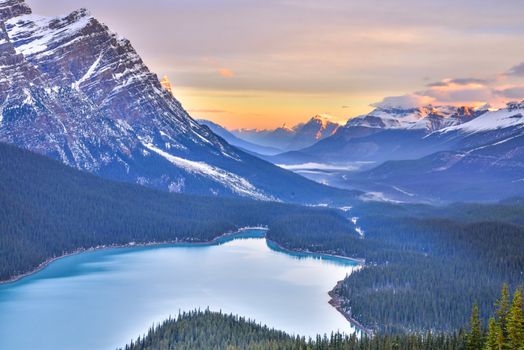 Photo: Nunzio Guerrera / Pexels
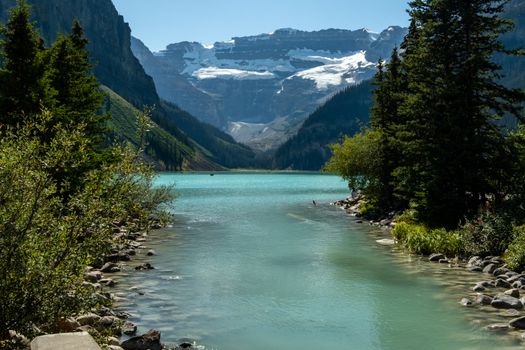 Photo: Andrew Patrick Photo / Pexels
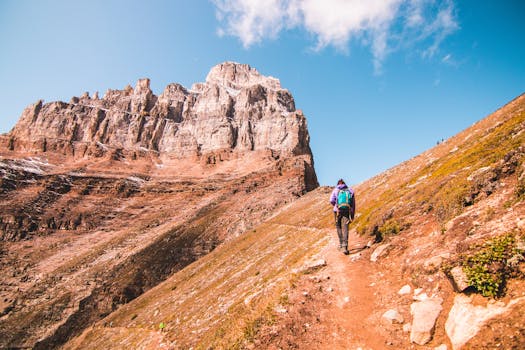 Photo: Jaime Reimer / Pexels
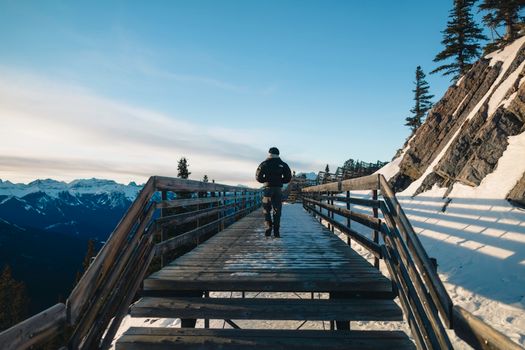 Photo: Ali Kazal / Pexels