Your Ultimate Guide to Flights to Canada from USA
June 20, 2026 14 min read 2,830 words
Unlock the secrets to affordable and stress-free air travel from the United States to Canada.
Find Your Flight Now
Navigating the Skies: Finding Affordable Flights to Canada from USA
 Photo: Lucas Pezeta / Pexels
Embarking on a journey from the United States to Canada offers a kaleidoscope of experiences, from the vibrant urban pulse of Toronto and Vancouver to the serene natural beauty of the Rockies or the maritime charm of the Atlantic provinces. For many, the first step in this adventure is securing affordable and convenient flights to Canada from USA. This can often feel like a daunting task, with fluctuating prices, myriad airlines, and an array of booking platforms. However, with the right strategy and a bit of insider knowledge, you can significantly reduce the cost and complexity of your air travel.
First and foremost, understanding the dynamics of flight pricing is crucial. Airfares are not static; they change constantly based on demand, seasonality, fuel costs, and even the time of day you search. Generally, the sweet spot for booking international flights, including those to Canada, is often considered to be 2-3 months in advance. For peak travel seasons, such as summer holidays, Christmas, or major Canadian festivals, extending this booking window to 4-6 months can yield substantial savings. Conversely, last-minute bookings are almost always more expensive, though occasional flash sales can occur.
When searching for flights, leverage a combination of flight comparison websites (like Google Flights, Skyscanner, Kayak) and direct airline websites. Comparison sites are excellent for getting an overview of available routes and prices across multiple carriers. However, always double-check prices directly on the airline's website, as they sometimes offer exclusive deals or loyalty program benefits not reflected elsewhere. Flexibility with your travel dates is perhaps the single most powerful tool for finding cheaper flights. Flying mid-week (Tuesday, Wednesday, Thursday) is almost always less expensive than flying on weekends. Similarly, opting for early morning or late-night flights can often result in lower fares.
Consider alternative airports. For example, if you're flying to Vancouver, look into Bellingham (BLI) in Washington, which is a short drive away and sometimes offers significantly cheaper flights from other US cities, especially for budget airlines. Similarly, Buffalo (BUF) can be a gateway for Toronto, and Detroit (DTW) for Windsor. While this might add a ground transportation leg to your journey, the savings on airfare can be substantial.
Another strategy is to set up price alerts. Most flight search engines allow you to track specific routes and notify you when prices drop. This passive approach ensures you don't miss out on a good deal without constantly checking. Finally, consider the impact of layovers. Direct flights are convenient but often pricier. A flight with one layover, especially if it's a longer one, can sometimes cut costs significantly. Weigh the trade-off between convenience and cost based on your budget and time constraints. Understanding these booking nuances is the first step towards a successful and economical trip across the border. For more general travel tips, explore our
comprehensive travel guide.
Essential Entry Requirements and Documentation for US Citizens
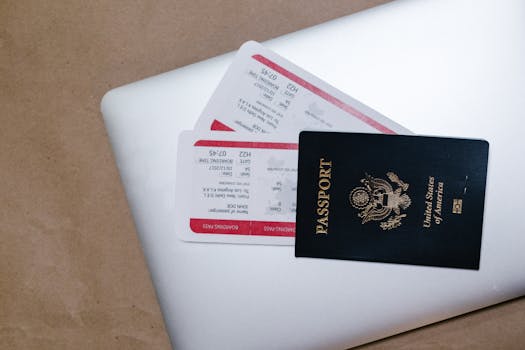 Photo: RDNE Stock project / Pexels
Once you've started looking for flights to Canada from USA, understanding the necessary entry requirements and documentation becomes paramount. While the border between the two countries is often perceived as seamless, there are specific rules and documents US citizens must present to gain entry into Canada, especially when traveling by air. Failing to meet these requirements can lead to significant delays or even denial of entry, turning your anticipated trip into a frustrating ordeal.
For US citizens, the primary document required for air travel to Canada is a valid US passport. This is non-negotiable for air entry. While a passport card or an Enhanced Driver's License (EDL) can be used for land or sea travel, they are not accepted for international air travel. Ensure your passport is not expired and ideally has at least six months of validity remaining beyond your planned departure date from Canada. Although Canada does not strictly enforce the six-month rule for US citizens, some airlines might, and it's always better to be safe than sorry, especially if unforeseen circumstances extend your stay.
Generally, US citizens do not need a visa to visit Canada for tourism or business purposes for stays of up to six months. However, the Canada Border Services Agency (CBSA) officers have the final say on entry. They may ask about the purpose of your visit, how long you intend to stay, and how you plan to support yourself financially during your trip. It's advisable to have a return ticket or onward travel itinerary, proof of sufficient funds (e.g., credit cards, bank statements), and details of your accommodation readily available.
In addition to your passport, it's wise to carry a copy of your flight itinerary, hotel reservations, and any other relevant booking confirmations. While not always requested, having these documents can help streamline the immigration process and provide clarity if questions arise. If you are traveling with minors and are not both parents, or if you are not the child's legal guardian, you should carry a consent letter from the non-accompanying parent(s) or guardian(s). This letter should include contact information for the non-accompanying parent(s) and details about the trip.
It's also important to be aware of any current health-related entry requirements. While many pandemic-era restrictions have been lifted, it's always prudent to check the official Government of Canada website (
Immigration, Refugees and Citizenship Canada) for the most up-to-date information before your departure. Requirements can change, and staying informed is key to a smooth journey. Preparing all your documentation meticulously will ensure your focus remains on enjoying your Canadian adventure rather than worrying about border formalities.
Choosing Your Canadian Gateway: Major Airports and Connectivity from the USA
 Photo: ClickerHappy / Pexels
When planning flights to Canada from USA, selecting the right arrival airport is as crucial as finding a good deal. Canada is a vast country, and its major international airports serve as key gateways, each offering distinct advantages depending on your final destination and travel preferences. Understanding these hubs and their connectivity from various US cities can greatly simplify your travel planning and potentially save you time and money.
**Toronto Pearson International Airport (YYZ)** is Canada's largest and busiest airport, serving the Greater Toronto Area and acting as a major hub for flights from virtually every major US city. YYZ boasts excellent connectivity, with numerous daily direct flights from New York, Chicago, Los Angeles, Atlanta, Dallas, and many other American metropolises. Its extensive network means more options, greater flexibility, and often more competitive pricing, especially for those willing to consider connecting flights. From YYZ, you can easily connect to domestic flights across Canada or access downtown Toronto via express train or taxi.
**Vancouver International Airport (YVR)** is the primary gateway to Western Canada, British Columbia, and the Pacific Rim. It's a popular choice for travelers heading to the Rocky Mountains, Whistler, or exploring the vibrant city of Vancouver itself. YVR offers strong direct flight connections from major US West Coast cities like Seattle, San Francisco, and Los Angeles, as well as significant routes from Chicago, Denver, and other central US hubs. Its reputation for efficiency and passenger experience makes it a preferred entry point for many.
Exploring regional Canadian travel from YVR is also highly convenient.
**Montréal-Pierre Elliott Trudeau International Airport (YUL)** serves as the main international airport for Quebec and Eastern Canada. For those drawn to the European charm of Montreal or the historic streets of Quebec City, YUL is the ideal arrival point. It has robust direct flight connections from numerous US East Coast cities, including Boston, New York, and Washington D.C., as well as good service from Chicago and other central locations. YUL is known for its bilingual services and efficient customs processing.
Other significant Canadian airports include **Calgary International Airport (YYC)**, a key hub for Alberta and the Canadian Rockies, with strong connections from Denver, Dallas, and various US cities. **Edmonton International Airport (YEG)** also serves Alberta, providing direct flights from some US hubs. In the East, **Halifax Stanfield International Airport (YHZ)** is the main gateway to Atlantic Canada, offering direct flights from Boston and New York, among others.
When choosing your gateway, consider not just the proximity to your final destination but also the availability and cost of flights from your departure city. Sometimes, a slightly longer drive from a less direct, but cheaper, Canadian airport can save you a significant amount on airfare. Researching ground transportation options from each potential arrival airport to your ultimate destination is also a critical step in this planning phase.
Tips for a Seamless Journey and Avoiding Common Pitfalls
Ensuring a seamless journey when taking flights to Canada from USA goes beyond just booking a ticket. Many small details can significantly impact your travel experience. Being prepared for these nuances can save you time, stress, and potential headaches at the border or during your trip. Here are some essential tips and common pitfalls to avoid:
* **Check Baggage Policies Meticulously:** Each airline has its own specific rules regarding carry-on and checked luggage, including size, weight, and fees. Low-cost carriers, in particular, are known for strict enforcement and hefty charges for oversized or overweight bags. Always check your airline's policy before packing to avoid unexpected costs at the airport.
* **Arrive Early for International Flights:** For flights between the US and Canada, especially from major hubs, aim to arrive at the airport at least 2-3 hours before your scheduled departure. This allows ample time for check-in, security screening, and any potential delays, ensuring you don't rush or miss your flight.
* **Understand Customs and Declarations:** Upon arrival in Canada, you will need to clear Canadian customs. Be honest and accurate when declaring goods. Canada has strict rules regarding certain items, including firearms, restricted foods, and large amounts of cash. Familiarize yourself with these regulations to avoid fines or confiscation. You can often use the ArriveCAN app to submit your customs declaration in advance, speeding up your process.
* **Be Prepared for Questions at the Border:** Canadian Border Services Officers (CBSA) are authorized to ask you about your travel plans, including the purpose of your visit, your duration of stay, and how you will support yourself. Answer truthfully and concisely. Having your return ticket, accommodation details, and proof of funds readily accessible can facilitate this process.
* **Stay Informed About Travel Advisories:** Before and during your trip, check for any travel advisories issued by the Canadian government. These could relate to weather conditions, local events, or any health-related guidance that might affect your travel plans.
* **Currency and Payment Methods:** While major credit cards are widely accepted, it's wise to carry some Canadian currency for smaller purchases, tips, or in areas where card payments might not be as prevalent. Inform your bank of your travel plans to avoid your cards being flagged for suspicious activity.
* **Mobile Roaming and Connectivity:** Check with your mobile carrier about international roaming plans. Many US carriers offer affordable daily or monthly plans for Canada, preventing unexpected high bills. Alternatively, consider purchasing a local Canadian SIM card upon arrival for cheaper data and calls.
* **Travel Insurance:** Although Canada is a safe country with excellent healthcare, medical emergencies can be expensive. Travel insurance that covers medical emergencies, trip interruptions, and baggage loss is highly recommended to protect your investment and provide peace of mind. Investing in a good travel insurance policy is a smart decision for any international trip, including those short flights to Canada from USA.
