Your Ultimate Canadian National Parks Map Guide
June 19, 2026 17 min read 3,414 words
Unlock the breathtaking beauty of Canada's protected wilderness with our essential planning resource.
Start Your Adventure
Navigating the Canadian National Parks Map: An Overview
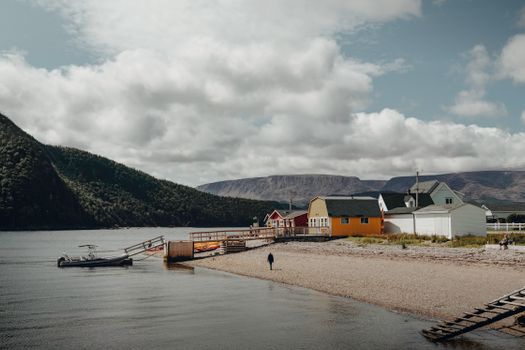 Photo: Daniel Battersby / Pexels
Canada, a land of unparalleled natural beauty, is home to a spectacular network of national parks and national park reserves, each a testament to the country's commitment to conservation and biodiversity. For any adventurer, nature enthusiast, or family seeking an unforgettable escape, a comprehensive Canadian national parks map is the ultimate starting point. This guide isn't just about identifying locations; it's about understanding the diverse ecosystems, unique cultural histories, and incredible experiences each park offers across this vast nation. From the rugged coastlines of the Atlantic to the majestic peaks of the Rockies, and the serene tundra of the Arctic, Canada's protected areas present an awe-inspiring tapestry of landscapes waiting to be explored.
Before diving into specific regions, it's crucial to grasp the sheer scale and variety. Parks Canada, the agency responsible for these treasures, manages 38 National Parks, 10 National Park Reserves, and 1 National Urban Park, totalling an immense protected area. These parks are not merely scenic viewpoints; they are vibrant ecosystems, critical habitats for countless species, and places where Indigenous history and culture are deeply intertwined with the land. Understanding this context enriches every visit, transforming a simple trip into a profound journey.
When you consult a Canadian national parks map, you'll immediately notice the geographical spread. The Atlantic provinces boast coastal wonders like Gros Morne National Park in Newfoundland and Labrador, a UNESCO World Heritage site renowned for its dramatic fjords and unique geological formations. Moving westward, Quebec offers the stunning Saguenay–St. Lawrence Marine Park, a haven for whale watching, while Ontario features the archipelagic beauty of Georgian Bay Islands National Park. The prairies present a different kind of grandeur with Grasslands National Park, preserving an endangered ecosystem and offering unparalleled stargazing opportunities.
Of course, the iconic Canadian Rockies dominate many travelers' itineraries, with parks like Banff, Jasper, Yoho, and Kootenay forming a contiguous protected wilderness that is also a UNESCO World Heritage site. Further west, British Columbia offers coastal rainforests in Pacific Rim National Park Reserve and alpine splendor in Glacier National Park. The northern territories introduce visitors to truly wild frontiers, with parks such as Nahanni National Park Reserve, another UNESCO site, featuring deep canyons and thundering waterfalls.
Each park has its own distinct character, offering a myriad of activities from hiking, kayaking, and wildlife viewing to cultural interpretation and backcountry expeditions. The key to a successful trip lies in thoughtful planning, and that begins with visualizing your journey on a detailed map. This allows you to connect dots, identify potential multi-park itineraries, and understand the logistical challenges and rewards associated with each destination. Moreover, many parks are home to fascinating
wildlife viewing opportunities, making careful planning essential for responsible and rewarding encounters. It's about more than just seeing; it's about experiencing, learning, and contributing to the preservation of these magnificent places for future generations.
Regional Breakdown: Discovering Canada's Diverse Park Experiences
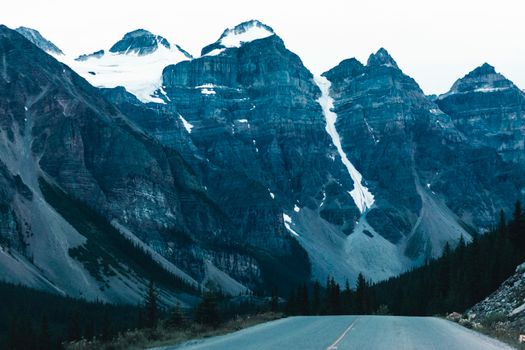 Photo: Ali Kazal / Pexels
To truly appreciate the scope of the Canadian national parks map, it's helpful to break it down by geographical regions, as each offers a distinct set of environments and adventures.
**Atlantic Canada:** This region, encompassing Newfoundland and Labrador, Prince Edward Island, Nova Scotia, and New Brunswick, is characterized by rugged coastlines, rich maritime history, and unique island ecosystems. Gros Morne National Park is a geological marvel, showcasing evidence of plate tectonics. Terra Nova National Park offers a glimpse into boreal forest meeting the sea. Kejimkujik National Park in Nova Scotia provides both inland wilderness and a coastal adjunct, perfect for canoeing and exploring Mi'kmaq cultural sites. Prince Edward Island National Park protects stunning sand dunes and beaches, while Fundy National Park in New Brunswick boasts the world's highest tides and extensive hiking trails. When planning for this region, consider combining coastal drives with park visits to fully immerse yourself in the East Coast charm.
**Central Canada (Ontario & Quebec):** This populous region offers a surprising array of wilderness experiences. In Quebec, La Mauricie National Park features rolling hills, forests, and numerous lakes ideal for paddling. For marine life enthusiasts, Saguenay–St. Lawrence Marine Park is a must-visit, offering unparalleled opportunities to see beluga whales and other cetaceans. Ontario's Pukaskwa National Park on Lake Superior's rugged north shore is a true wilderness experience, while Georgian Bay Islands National Park provides a unique archipelago setting, accessible primarily by boat. Bruce Peninsula National Park is famous for its dramatic cliffs, grottoes, and turquoise waters. These parks often serve as accessible escapes from major urban centers, providing vital green spaces for millions.
**Prairie Provinces (Manitoba, Saskatchewan, Alberta):** While Alberta is often associated with the Rockies, the prairie provinces also offer unique national park experiences. Riding Mountain National Park in Manitoba is an island of wilderness amidst agricultural land, home to a bison enclosure and diverse ecosystems. Saskatchewan's Grasslands National Park offers a rare chance to experience shortgrass prairie, observe bison herds, and stargaze under some of the darkest skies in North America. These parks highlight the importance of preserving ecosystems often overlooked, providing critical habitats for endangered species and a window into Canada's natural history.
**The Rocky Mountains (Alberta & British Columbia):** This region is arguably Canada's most famous for its national parks, and for good reason. Banff, Jasper, Yoho, and Kootenay National Parks, along with Mount Revelstoke and Glacier National Parks in BC, form a spectacular UNESCO World Heritage site. Here, you'll find towering snow-capped peaks, turquoise glacial lakes, vast icefields, and abundant wildlife. Banff and Jasper are iconic, offering world-class hiking, skiing, and scenic drives like the Icefields Parkway. Yoho is known for its waterfalls and Burgess Shale fossils, while Kootenay features hot springs and diverse valleys. Mount Revelstoke and Glacier offer stunning alpine meadows and deep valleys, often with significant snowfall. Planning a trip here requires understanding the sheer popularity and booking accommodations and permits well in advance, especially during peak summer months.
**Pacific Canada (British Columbia):** Beyond the Rockies, BC's national parks showcase the province's diverse geography. Pacific Rim National Park Reserve on Vancouver Island's west coast protects ancient rainforests, wild beaches, and offers the famous West Coast Trail. Gulf Islands National Park Reserve encompasses a scattering of islands in the Salish Sea, perfect for kayaking and wildlife viewing. Gwaii Haanas National Park Reserve, National Marine Conservation Area Reserve, and Haida Heritage Site is a remote and culturally significant area on Haida Gwaii, accessible primarily by boat or floatplane, offering a profound experience of nature and Indigenous culture.
**The North (Yukon, Northwest Territories, Nunavut):** For the ultimate wilderness adventure, the northern parks are unparalleled. Kluane National Park and Reserve in Yukon is home to Canada's highest peak, Mount Logan, and vast icefields. Nahanni National Park Reserve in the Northwest Territories is another UNESCO site, famous for its deep canyons, hot springs, and Virginia Falls. Aulavik National Park and Tuktut Nogait National Park, both in the NWT, offer glimpses into Arctic tundra ecosystems and caribou migrations. Quttinirpaaq National Park on Ellesmere Island, Nunavut, is one of the world's most northerly protected areas, a land of polar deserts and ice. These parks require extensive planning, specialized gear, and often guided expeditions, but offer truly once-in-a-lifetime experiences with immense, untouched landscapes.
Each region on the Canadian national parks map offers unique natural wonders and cultural insights. By understanding these distinctions, travelers can tailor their adventures to match their interests, whether it's coastal exploration, mountain trekking, prairie stargazing, or Arctic expeditions. The diversity is staggering, promising an endless array of discoveries for every type of explorer.
Planning Your Adventure: Essential Tips for Using Your Canadian National Parks Map
 Photo: Ali Kazal / Pexels
A Canadian national parks map is more than just a guide; it's a tool for crafting unforgettable experiences. Effective planning ensures a safe, enjoyable, and responsible trip. Here are essential tips to help you maximize your adventure across Canada's protected areas.
**1. Understand Park Passes and Fees:** Before you even set foot in a park, familiarize yourself with the entry requirements. Parks Canada offers various passes, including the Discovery Pass, which provides unlimited admission to all national parks, national historic sites, and national marine conservation areas for a full year. For shorter visits, daily passes are available. Be aware that some activities, like camping, backcountry permits, or guided tours, often incur additional fees. Purchasing your pass online in advance can save time at park gates, especially during peak season. Always check the specific park's website for the most current fee structure and booking requirements, as these can change.
**2. Booking Accommodations and Activities:** Popular national parks, particularly those in the Rocky Mountains like Banff and Jasper, see immense demand. Camping sites, particularly those with amenities, can be fully booked months in advance. The Parks Canada Reservation Service opens early in the year (often in January) for the upcoming summer season. For backcountry trips, permits are often required and can also be highly competitive. If you're planning to stay in park lodges or nearby towns, book hotels or cabins well ahead of time. Even popular day-use activities or specific trails might have time slot reservations now, so always check the park-specific details.
**3. Best Time to Visit:** The 'best' time depends entirely on your desired activities and the park's location. Summer (June to September) offers the warmest weather, full access to trails, and a wide range of activities, but also the largest crowds. Spring (April-May) and Fall (September-October) provide beautiful shoulder-season experiences with fewer people, stunning foliage in some regions, and unique wildlife viewing opportunities, though some higher elevation trails may still be snow-covered or closed. Winter (November-March) transforms many parks into winter wonderlands, ideal for skiing, snowshoeing, and ice skating, but requires specialized gear and awareness of avalanche risks. Always check current weather conditions and road closures, especially in mountainous or northern regions.
**4. Wildlife Safety and Etiquette:** Canada's national parks are home to an incredible array of wildlife, from bears and moose to elk and wolves. Always maintain a safe distance from animals – at least 30 meters for large animals like elk and deer, and 100 meters for bears and wolves. Never feed wildlife. Store food securely in bear-proof containers or vehicles. Make noise on trails to avoid surprising animals. Carry bear spray and know how to use it, especially in bear country. Understanding wildlife behavior and respecting their space is paramount for both your safety and their well-being. Parks Canada provides excellent resources on
wildlife safety specific to each park.
**5. Leave No Trace Principles:** To preserve the pristine beauty of these parks, adhere strictly to the seven Leave No Trace principles: Plan Ahead and Prepare; Travel and Camp on Durable Surfaces; Dispose of Waste Properly; Leave What You Find; Minimize Campfire Impacts; Respect Wildlife; Be Considerate of Other Visitors. This means packing out everything you pack in, staying on marked trails, and minimizing your impact on the environment. Your actions directly contribute to the longevity and health of these precious natural spaces.
**6. Road Conditions and Accessibility:** Canada is vast, and many national parks are in remote locations. Check road conditions, especially if traveling during shoulder seasons or winter. Some parks have gravel roads, and specific areas might require 4x4 vehicles. Cell service can be spotty or non-existent in many park areas, so carry physical maps, downloaded digital maps, and consider a satellite communication device for emergencies, particularly if venturing into the backcountry. Accessibility varies greatly between parks and even within parks; while some offer paved paths and accessible facilities, others are rugged wilderness. Research specific accessibility features if needed.
By following these essential planning tips, your Canadian national parks map will become a gateway to an enriching and responsible adventure, allowing you to fully immerse yourself in the natural grandeur that Canada has to offer.
Common Mistakes to Avoid & Essential Gear for Your Park Adventures
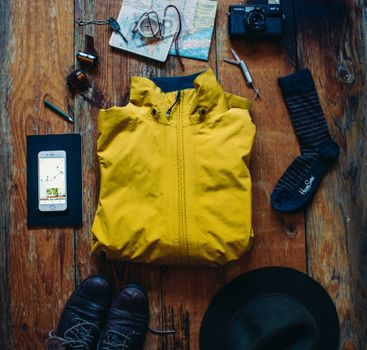 Photo: Rachel Claire / Pexels
Embarking on an adventure through Canada's national parks is an exhilarating prospect, but a few common missteps can detract from the experience. Being aware of these pitfalls and preparing adequately can ensure your trip is as smooth and enjoyable as possible.
**Common Mistakes to Avoid:**
* **Underestimating Distances and Travel Times:** Canada is enormous. Driving between parks or even within larger parks can take significantly longer than anticipated. Always factor in extra time for scenic stops, wildlife sightings, and unexpected delays. A Canadian national parks map will give you the geographical layout, but map applications should be consulted for realistic drive times.
* **Lack of Reservation:** As mentioned, popular parks and campgrounds fill up incredibly fast. Showing up without a reservation, especially in peak season, often leads to disappointment and scrambling for last-minute (and expensive) alternatives outside the park. Book early!
* **Ignoring Weather Forecasts:** Mountain weather, in particular, can change rapidly and dramatically. A sunny morning can turn into a cold, wet, or even snowy afternoon. Always check the forecast immediately before and during your trip and pack layers.
* **Not Carrying Enough Water/Food:** Even for day hikes, bringing ample water is crucial, especially in warmer months or at higher elevations. Pack snacks to keep energy levels up. Don't rely on finding stores or water sources within remote park areas.
* **Disregarding Park Regulations:** Rules exist for a reason – to protect both visitors and the environment. This includes rules about campfires, waste disposal, pet control, and especially wildlife interaction. Fines can be substantial, and more importantly, irresponsible behavior harms the parks.
* **Overpacking or Underpacking:** Striking the right balance is key. Hauling unnecessary items is cumbersome, but forgetting essentials can be dangerous or uncomfortable. Refer to park-specific packing lists.
**Essential Gear for Your Park Adventures:**
1. **Layers of Clothing:** Synthetics or wool are best. Include a base layer, mid-layer (fleece/down), and a waterproof/windproof outer shell. Even in summer, a warm jacket is often needed in the mountains or evenings.
2. **Sturdy Hiking Boots:** Good ankle support and grip are vital for varied terrain. Break them in before your trip.
3. **Backpack:** A comfortable daypack for essentials (water, snacks, layers, first-aid) and a larger pack if camping.
4. **Navigation Tools:** A physical Canadian national parks map, a compass, and a fully charged phone with downloaded offline maps. A GPS device or satellite communicator is recommended for backcountry trips.
5. **Water Bottle/Hydration Pack:** Stay hydrated! Consider a water filter or purification tablets for backcountry water sources.
6. **First-Aid Kit:** Bandages, antiseptic wipes, pain relievers, blister treatment, any personal medications.
7. **Bear Spray:** Essential in bear country (most parks). Know how to use it safely and carry it accessibly.
8. **Sun Protection:** Sunscreen, sunglasses, and a wide-brimmed hat, especially at higher altitudes or on open water.
9. **Insect Repellent:** Mosquitoes and blackflies can be prevalent, especially in spring and early summer.
10. **Headlamp/Flashlight:** Even if not camping, useful for early morning starts or unexpected delays.
11. **Camera:** To capture the breathtaking scenery!
12. **Reusable Bags:** For garbage, adhering to Leave No Trace principles.
By avoiding these common mistakes and packing wisely, your exploration of Canada's national parks, guided by your trusty Canadian national parks map, will be a memorable and rewarding experience.
