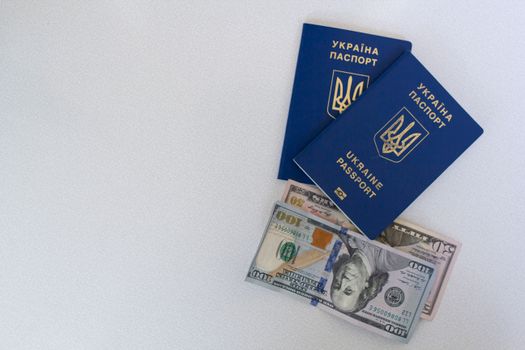
✓ US citizens do not typically need a visa for short visits to Canada.
✓ A valid US passport is the primary required document for entry.
✓ Children under 16 may enter with a birth certificate and photo ID by land or sea.
✓ Enhanced Driver's Licenses (EDLs) are accepted for land/sea entry.
✓ DUI convictions can lead to denial of entry, requiring rehabilitation or a Temporary Resident Permit.
How It Works
1
Verify Your Passport
Ensure your US passport is valid for the duration of your intended stay. While Canada doesn't require 6 months validity, it's a good practice for international travel.
2
Gather Supporting Documents
Depending on your mode of travel and age, collect additional identification like birth certificates for minors or an Enhanced Driver's License for land/sea entry.
3
Understand Entry Purpose
Be clear about your reason for visiting Canada (tourism, business, study). While visas aren't usually needed for tourism, different purposes have distinct requirements.
4
Address Potential Inadmissibility
If you have a criminal record (e.g., DUI) or other issues, explore options like a Temporary Resident Permit (TRP) or criminal rehabilitation *before* attempting to cross the border.
Understanding Core Canada Visa Requirements for US Citizens
Photo: Borys Zaitsev / Pexels
For the vast majority of US citizens planning a trip north, the good news is that understanding the core Canada visa requirements for US citizens is remarkably straightforward. Unlike many other international destinations, Canada has a long-standing, amicable relationship with its southern neighbor, which translates into relatively relaxed entry rules for American travelers. In most cases, US citizens do not need a visa to visit Canada for tourism, business, or transit purposes for stays of up to six months. This exemption is a cornerstone of the close ties between the two nations, facilitating everything from quick weekend getaways to extended family visits. The primary document required for entry is a valid US passport. This small booklet is your golden ticket, confirming your identity and citizenship. It's crucial that your passport is valid for the entire duration of your planned stay in Canada. While Canada does not explicitly require your passport to be valid for an additional six months beyond your departure date (a common requirement for many other countries), it is always a best practice to ensure it has ample validity to avoid any unforeseen complications. An expired passport, even by a single day, will result in denied entry. Beyond your passport, you should be prepared to articulate the purpose of your visit to the Canadian Border Services Officer (CBSA). Whether you're visiting Niagara Falls, exploring the vibrant streets of Vancouver, attending a conference in Toronto, or skiing in Whistler, clearly stating your intentions will streamline the entry process. You may also be asked about your financial means to support yourself during your stay and your plans for departure. While not always requested, having proof of onward travel (like a return flight ticket) or sufficient funds can help solidify your case as a genuine visitor. It's also important to remember that while a visa isn't typically required, Canadian authorities retain the right to deny entry to anyone deemed a security risk or otherwise inadmissible under Canadian immigration law. This includes individuals with serious criminal records, especially those involving moral turpitude or driving under the influence (DUI) convictions, which are considered serious offenses in Canada. We'll delve deeper into inadmissibility later, but for now, rest assured that for most law-abiding US citizens, entry to Canada is a smooth process with a valid passport. For more general travel tips, check out our comprehensive guide.
Essential Documents for Land, Air, and Sea Travel to Canada
Photo: Claudia Solano / Pexels
While a valid US passport is the gold standard for all modes of travel, understanding the nuances of required documentation based on how you enter Canada is crucial for a seamless experience. The Western Hemisphere Travel Initiative (WHTI) dictates the acceptable documents for US citizens re-entering the United States from Canada, and Canada generally accepts these for entry as well. For air travel, a valid US passport book is the *only* acceptable document for US citizens. This is a non-negotiable requirement, regardless of age. Even infants and children flying to Canada must have their own passport book. Airlines strictly enforce this, and you will not be permitted to board your flight without it. This requirement is in place due to international aviation security standards. For land and sea travel, the rules offer a bit more flexibility, though a US passport book remains the most highly recommended and efficient document. Alternatives for land and sea entry include a US Passport Card, an Enhanced Driver's License (EDL), or a NEXUS card. A US Passport Card is a wallet-sized document valid for land and sea travel between the US and Canada (and other WHTI-compliant countries). It offers the same benefits as a passport book for these modes of entry but cannot be used for air travel. Similarly, an Enhanced Driver's License (EDL), currently issued by a few US states (Michigan, Minnesota, New York, Vermont, and Washington), functions as both a driver's license and a WHTI-compliant travel document for land and sea crossings. It contains a Radio Frequency Identification (RFID) chip and a machine-readable zone to expedite border processing. For frequent travelers, a NEXUS card is an excellent investment. This program allows pre-approved, low-risk travelers to use dedicated lanes at land borders and kiosks at airports, significantly speeding up the crossing process. NEXUS cards are valid for both land, air, and sea travel between the US and Canada. It's important to note that while a regular state-issued driver's license and a birth certificate *may* be accepted for children under 16 traveling by land or sea, this is a less secure and potentially slower option. For adults, a standard driver's license is *not* sufficient for entry into Canada or re-entry into the US. Always check the most current WHTI guidelines and Canadian entry requirements before your trip, as regulations can change. Having the correct documentation for your specific mode of travel will prevent delays and ensure a pleasant start to your Canadian adventure. Remember, even if you don't need a visa, having the right ID is paramount.
Addressing Potential Inadmissibility: Criminal Records and DUIs
Photo: Mark Stebnicki / Pexels
One of the most critical, yet often overlooked, aspects of Canada visa requirements for US citizens, or rather, entry requirements, concerns potential inadmissibility due to criminal records. While most US citizens can enter Canada without a visa, having a criminal history, particularly a Driving Under the Influence (DUI) conviction (or DWI, OWI), can lead to significant complications, including outright denial of entry. Canada views DUI offenses, even minor ones, as serious criminal acts. This is because Canadian law treats impaired driving as a felony, which automatically renders individuals with such convictions criminally inadmissible to Canada. This applies even if the offense occurred many years ago, was a misdemeanor in the US, or resulted in no jail time. The Canadian Border Services Agency (CBSA) has access to US criminal databases, and attempting to conceal a conviction is ill-advised and can result in further penalties. If you have a DUI or any other criminal record, you have a few potential avenues to explore to gain entry into Canada. The most common solution for temporary visits is applying for a Temporary Resident Permit (TRP). A TRP allows an otherwise inadmissible person to enter Canada for a specific period, provided they have a compelling reason to travel and their entry does not pose a risk to Canadian society. Obtaining a TRP is not guaranteed; it is granted on a case-by-case basis, considering factors like the severity of the offense, the time elapsed since the conviction, and the purpose of your visit. The application process can be lengthy and requires detailed documentation, including court records and a letter explaining your situation. It's highly recommended to apply for a TRP well in advance of your planned travel, ideally several months. For those with older or less serious offenses, or for individuals planning frequent or long-term visits, applying for Criminal Rehabilitation might be an option. This is a permanent solution that overcomes criminal inadmissibility, effectively clearing your record for Canadian immigration purposes. However, you are only eligible to apply for criminal rehabilitation if at least five years have passed since the completion of all sentences, including probation and fines. The process is also comprehensive and can take a considerable amount of time. If less than five years have passed, a TRP is your only recourse. It is imperative to consult with an immigration lawyer specializing in Canadian inadmissibility issues if you have any criminal record. They can assess your specific situation, advise on the best course of action (TRP or rehabilitation), and assist with the complex application process. Do not attempt to cross the border without addressing these issues beforehand, as doing so will almost certainly result in refusal of entry and a wasted trip. Understanding these rules is vital for any US citizen with a criminal history planning to travel internationally to Canada.
Special Considerations: Children, Pets, and Extended Stays
Photo: PNW Production / Pexels
Beyond the standard requirements for adult US citizens, several special considerations come into play when traveling to Canada, especially with children, pets, or if you plan an extended stay. These scenarios have specific rules that, if not followed, can lead to delays or even denial of entry. When traveling with children, particularly if only one parent is present or if the child is traveling with guardians, extra documentation is essential to prevent international child abduction and ensure the child's welfare. If a child under 18 is traveling with only one parent, a consent letter from the absent parent is highly recommended. This letter should state that the absent parent permits the child to travel to Canada with the other parent, include contact information for the absent parent, and ideally be notarized. If a child is traveling with grandparents, other relatives, or non-parental guardians, a similar consent letter from *both* parents or legal guardians is strongly advised. This letter should clearly state the child's travel dates, the names of the accompanying adults, and contact information for the parents. Border officials are vigilant about protecting children and may question unaccompanied minors or those with non-parental adults extensively. For US citizens bringing pets into Canada, health and vaccination requirements are paramount. The most common requirement is proof of rabies vaccination, typically a valid rabies vaccination certificate issued by a licensed veterinarian. This certificate must clearly identify the animal, state the date of vaccination, and the vaccine's expiry date. Depending on the type of animal and its origin, additional health certificates or permits may be required. For instance, birds, certain exotic animals, or commercial shipments of pets have more stringent regulations. Always check the Canadian Food Inspection Agency (CFIA) website for the most up-to-date and specific requirements for your particular pet species before you travel. Failure to present the correct documentation can result in your pet being denied entry, quarantined, or even returned to the US. Lastly, while US citizens are generally granted entry for up to six months as tourists, if you plan an extended stay beyond this period, or if your purpose of visit is not tourism (e.g., studying, working, or immigrating), you will need to apply for the appropriate Canadian visa or permit *before* you arrive. Overstaying your permitted visit or engaging in activities (like unauthorized work) that are not covered by your visitor status can lead to serious consequences, including future travel bans to Canada. Always be transparent about your intentions and seek the correct authorization for your specific travel plans to ensure a smooth and legal stay in Canada.
Tips for a Smooth Border Crossing and Common Mistakes to Avoid
Ensuring a smooth border crossing into Canada as a US citizen involves more than just having the right documents; it also requires preparedness and awareness of common pitfalls. By following these tips and avoiding typical mistakes, you can significantly reduce stress and wait times at the border.
**Tips for a Smooth Border Crossing:**
* **Organize Your Documents:** Keep your passport and any other required identification (e.g., NEXUS card, birth certificate for minors, consent letters) readily accessible. Do not wait until you are at the customs booth to start rummaging through your luggage.
* **Be Honest and Direct:** Answer all questions from the Canadian Border Services Officer (CBSA) truthfully and concisely. Avoid providing unsolicited information or trying to be overly chatty. Stick to the facts.
* **Declare Everything:** If you are bringing goods into Canada, be prepared to declare them. This includes alcohol, tobacco, gifts, or any items purchased abroad. Failure to declare can result in fines, seizure of goods, or even denial of entry.
* **Know Your Itinerary:** Have a clear idea of where you are going, what you plan to do, and how long you intend to stay. This demonstrates you are a genuine visitor with no intent to overstay or work illegally.
* **Check Border Wait Times:** Before you head to the border, especially during peak travel seasons or holidays, check the CBSA website for current wait times at various land crossings. This can help you choose a less congested route.
* **Have Proof of Funds:** While not always asked, having proof you can financially support yourself during your stay (e.g., credit cards, bank statements) can be helpful, especially for longer visits.
**Common Mistakes to Avoid:**
* **Expired or Damaged Documents:** Attempting to cross with an expired passport or one that is significantly damaged will result in denied entry. Check validity well in advance.
* **Misunderstanding DUI Rules:** Many US citizens mistakenly believe a misdemeanor DUI from years ago won't affect their entry. As discussed, Canada views these seriously. Always address any criminal inadmissibility *before* travel.
* **Bringing Prohibited Items:** Be aware of what you cannot bring into Canada. This includes certain firearms, prohibited weapons, some agricultural products, and large amounts of undeclared cash.
* **Failing to Declare Currency:** If you are carrying C$10,000 or more (or its equivalent in foreign currency), you must declare it. There's no limit to how much currency you can bring, but it must be declared.
* **Lack of Consent for Minors:** Traveling with a child when you're not both legal parents, or if only one parent is present without a consent letter, is a major red flag for border agents and can cause significant delays.
* **Overstaying Your Welcome:** While a six-month stay is common, overstaying without proper authorization can lead to future bans from Canada and complicate re-entry into the US. Always adhere to the duration granted by the CBSA. By being prepared and informed, your crossing into Canada will be as smooth as the Canadian Rockies.
Comparison
Feature
US Passport Book
US Passport Card
Enhanced Driver's License (EDL)
NEXUS Card
Air Travel
✓
✗
✗
✓ (at NEXUS kiosks)
Land Travel
✓
✓
✓
✓ (dedicated lanes)
Sea Travel
✓
✓
✓
✓
Cost (approx.)
$130
$30
$30-40 (add-on)
$50
Validity
10 years
10 years
Varies by state (driver's license term)
5 years
Processing Time
6-8 weeks
6-8 weeks
Varies by state
6-12 months
What Readers Say
★★★★★
"This guide made understanding Canada visa requirements for US citizens so clear! I was worried about my passport validity, but now I feel completely prepared for my trip to Vancouver."
Sarah J. · Seattle, WA
★★★★★
"As someone with an old DUI, the section on inadmissibility was incredibly helpful. I'm now exploring the TRP option, which I never knew existed. Thank you for this crucial information."
Mark D. · Detroit, MI
★★★★★
"Traveling with my kids and their grandparents was simplified thanks to the clear advice on consent letters. We crossed the border seamlessly into Ontario, no issues at all!"
Emily R. · Buffalo, NY
★★★★★
"The information on NEXUS cards vs. EDLs was very useful for planning our frequent cross-border trips. While the TRP process sounds daunting, the guide laid out the options clearly."
David L. · Portland, OR
★★★★★
"I appreciated the comprehensive breakdown of documents for air vs. land travel. It saved me a lot of confusion and ensured I had the correct ID for my flight to Montreal."
Jessica M. · Boston, MA
Frequently Asked Questions
Do US citizens need a visa to enter Canada for tourism?
No, generally, US citizens do not need a visa to enter Canada for tourism purposes for stays of up to six months. You will primarily need a valid US passport or other WHTI-compliant travel documents for land and sea entry.
What if I have a DUI conviction? Can I still enter Canada?
A DUI conviction can make you criminally inadmissible to Canada. You may need to apply for a Temporary Resident Permit (TRP) for temporary entry or Criminal Rehabilitation for a permanent solution. It's crucial to address this before attempting to cross the border.
What documents do I need to fly to Canada from the US?
For air travel, US citizens must present a valid US passport book. No other documents like passport cards or Enhanced Driver's Licenses are accepted for air entry.
How long can a US citizen stay in Canada without a visa?
Typically, a US citizen can stay in Canada as a visitor for up to six months. The exact duration is determined by the border services officer upon entry and will be stamped in your passport or communicated orally.
Is an Enhanced Driver's License (EDL) sufficient for entry into Canada?
An Enhanced Driver's License (EDL) is acceptable for US citizens entering Canada by land or sea. It is not valid for air travel. Only certain US states issue EDLs, so check if yours is WHTI-compliant.
Who needs a consent letter when traveling to Canada with children?
A consent letter is highly recommended if a child under 18 is traveling with only one parent, with grandparents, other relatives, or non-parental guardians. It should be signed by the non-accompanying parent(s) or legal guardians.
Are there any specific health requirements for US citizens entering Canada?
Currently, there are no routine health requirements (like specific vaccinations) for US citizens entering Canada. However, you should have travel insurance to cover any medical emergencies during your stay.
Will Canada implement an eTA requirement for US citizens in the future?
While Canada requires an Electronic Travel Authorization (eTA) for visa-exempt foreign nationals traveling by air, US citizens are currently exempt from this requirement. There are no immediate plans to change this status for US citizens.
Navigating Canada visa requirements for US citizens doesn't have to be complicated. By understanding the necessary documents, addressing potential inadmissibility, and preparing for your specific travel scenario, you can ensure a smooth and enjoyable trip across the border. Start planning your Canadian adventure today with confidence!