✓ Most visitors need an Electronic Travel Authorization (eTA) or a visitor visa.
✓ The application process is primarily online for both eTA and visitor visas.
✓ Processing times vary significantly based on your country of residence and application type.
✓ Ensure your passport is valid for at least six months beyond your intended stay.
How It Works
1
Determine Your Eligibility
Use the official IRCC tool to identify if you need an eTA, a visitor visa, or if you are visa-exempt. This crucial first step dictates your entire application path.
2
Gather Required Documents
Collect all necessary paperwork, including a valid passport, financial proofs, travel itinerary, and invitation letters if applicable. Meticulous preparation prevents delays.
3
Complete the Application
Fill out the designated online application form accurately and completely. Double-check all entries before submission to avoid common errors.
4
Pay Fees & Submit
Pay the applicable processing fees online using an accepted payment method. Once submitted, monitor your application status regularly for updates or requests for additional information.
Understanding Canada's Tourist Entry Requirements
Photo: Erik Mclean / Pexels
Planning a trip to Canada is an exciting prospect, with its vast wilderness, bustling cities, and rich cultural tapestry offering something for every traveler. However, before you can immerse yourself in the Canadian experience, understanding the Canada visa requirements for tourists is paramount. Canada, like many nations, has specific entry regulations designed to ensure national security and manage immigration effectively. These requirements vary significantly based on your nationality, the duration of your intended stay, and the purpose of your visit. For the vast majority of tourists, the primary concern will be either obtaining an Electronic Travel Authorization (eTA) or a temporary resident visa, more commonly known as a visitor visa. It's a common misconception that all visitors require a full visa; in reality, many nationalities benefit from visa-exempt status, needing only an eTA for air travel. The distinction between these two main categories is crucial and will dictate the application process you need to follow. Navigating these regulations can seem daunting at first glance, but with the right information, it becomes a straightforward process. The Canadian government's official website, Immigration, Refugees and Citizenship Canada (IRCC), is the definitive source for all up-to-date requirements and application forms. Relying on unofficial sources can lead to misinformation and potential delays or even denial of entry. It's essential to begin your research well in advance of your planned travel dates, as processing times can fluctuate due to various factors, including the volume of applications and global events. Understanding your specific situation, such as whether you hold a passport from a visa-exempt country or a country that requires a visitor visa, is the first and most critical step in preparing for your Canadian adventure. We will delve into these categories in detail, providing clear guidance on who needs what and how to apply, ensuring your journey to Canada is as smooth and hassle-free as possible. From the initial eligibility check to the final approval, every stage of the process is important, and being well-informed will significantly increase your chances of a successful application and an unforgettable trip to Canada.
eTA vs. Visitor Visa: Which One Do You Need?
Photo: Borys Zaitsev / Pexels
The cornerstone of understanding Canada visa requirements for tourists lies in distinguishing between an Electronic Travel Authorization (eTA) and a traditional visitor visa. This distinction is primarily determined by your nationality. An eTA is a digital travel document that most visa-exempt foreign nationals require to fly to or transit through Canada by air. It is electronically linked to your passport and is valid for up to five years or until your passport expires, whichever comes first. During its validity, you can travel to Canada multiple times for short stays (usually up to six months per visit). Countries whose citizens typically require an eTA include those in the European Union, Australia, New Zealand, Japan, and many others. It's a quick, inexpensive online application that often gets approved within minutes, though some applications may take several days if additional documents are requested. This streamlined process has significantly eased travel for many, making spontaneous trips to Canada more feasible. Conversely, a visitor visa, also known as a temporary resident visa (TRV), is required for citizens of countries that are not visa-exempt. This includes a vast number of nations across Asia, Africa, and parts of South America. The visitor visa is a physical stamp or document placed in your passport, allowing you to enter Canada for a temporary stay. The application process for a visitor visa is considerably more involved than for an eTA. It typically requires submitting a detailed application form, providing biometric data (fingerprints and a photo) at a designated collection service point, and potentially attending an interview. You will also need to demonstrate strong ties to your home country (e.g., employment, property, family) to assure immigration officials that you intend to leave Canada at the end of your authorized stay. Financial proof of sufficient funds to support yourself during your visit is also a critical component. Processing times for visitor visas can range from a few weeks to several months, depending on the visa office and the complexity of your case. Therefore, it is imperative to apply for a visitor visa well in advance of your planned travel date. Understanding which category you fall into is the very first step in your visa journey and will save you considerable time and effort in the long run. The IRCC website provides a helpful tool to determine your specific requirements based on your country of citizenship. Always consult this official resource before proceeding with any application.
Step-by-Step Application Process for Canadian Tourist Visas
Photo: Borys Zaitsev / Pexels
Regardless of whether you need an eTA or a visitor visa, a structured approach to your application will significantly ease the process. For an eTA, the application is entirely online. You'll need a valid passport, a credit card to pay the CAD $7 fee, and an email address. The application form asks for basic personal information, passport details, and a few questions about your background. Most applicants receive approval within minutes via email. It's crucial to apply through the official IRCC website to avoid fraudulent third-party sites that charge excessive fees. Once approved, your eTA is electronically linked to your passport, so there's nothing to print, but keeping a copy of the approval email is advisable. For a visitor visa, the process is more comprehensive and typically involves several stages. First, gather all necessary documents. This includes your valid passport (with at least six months validity beyond your intended stay), a completed application form (IMM 5257), proof of financial support (bank statements, pay stubs), a detailed travel itinerary, and a letter of invitation if someone is hosting you in Canada. You'll also need two recent passport-sized photos that meet specific requirements. Next, you will likely need to provide biometrics. After submitting your online application and paying the fee (currently CAD $100 for a single applicant, plus a CAD $85 biometrics fee), you will receive a Biometric Instruction Letter. You must take this letter, along with your passport, to a designated Service Canada office or a Visa Application Centre (VAC) in your country to provide your fingerprints and photo. Failure to provide biometrics within the specified timeframe can lead to application refusal. Once biometrics are submitted, the waiting game begins. Processing times vary widely, from a few weeks to several months, depending on the volume of applications and the visa office handling your case. You can check the estimated processing times on the IRCC website. If your application is approved, you will receive instructions on how to submit your passport to the visa office for visa stamping. If additional information is required, you will be contacted by IRCC. It's imperative to respond promptly to any requests to avoid delays or refusal. Being thorough and patient throughout this process is key to a successful outcome. Always double-check all information before submission and keep copies of everything you send. Understanding these steps is vital for a smooth application.
Common Pitfalls and Expert Tips for Your Canadian Visa Application
Photo: Nataliya Vaitkevich / Pexels
Navigating the Canada visa requirements for tourists can present several challenges, and being aware of common pitfalls can significantly improve your chances of a successful application. One frequent mistake is providing incomplete or inaccurate information. Even minor discrepancies between your application and supporting documents can lead to delays or outright refusal. Always double-check every field and ensure consistency across all submitted materials. Another common issue is insufficient proof of funds. Canadian immigration officials need to be confident that you can support yourself financially during your stay without working illegally or becoming a burden on Canadian social services. Provide clear, verifiable bank statements, employment letters, and any other financial documentation to demonstrate your solvency. Lack of strong ties to your home country is another red flag, particularly for visitor visa applicants. Immigration officers need assurance that you intend to return home after your visit. Evidence such as property ownership, stable employment, family responsibilities, and ongoing education can help establish these ties. Without them, your application might be viewed with suspicion. Applying too close to your travel date is also a significant error. Processing times are estimates and can fluctuate wildly. Always apply well in advance, especially for visitor visas, to allow for unexpected delays or requests for additional information. Lastly, using unofficial or third-party websites for eTA or visa applications can be costly and risky. Many unofficial sites charge exorbitant fees and may not even submit your application correctly. Always use the official Immigration, Refugees and Citizenship Canada (IRCC) website.
**Expert Tips for a Smooth Application:**
* **Start Early:** Give yourself ample time, especially for visitor visas, to gather documents and account for processing delays.
* **Be Thorough:** Fill out all forms completely and accurately. Any blank spaces or inconsistent answers can raise red flags.
* **Provide Clear Financial Proof:** Submit bank statements, proof of income, or a letter from a sponsor detailing their financial support.
* **Show Strong Home Ties:** Include evidence of employment, family responsibilities, property ownership, or ongoing education in your home country.
* **Detailed Itinerary:** Provide a clear plan of your activities in Canada, including accommodation bookings and planned attractions.
* **Letter of Invitation (if applicable):** If you're staying with friends or family, a detailed invitation letter from your host is highly recommended.
* **Valid Passport:** Ensure your passport is valid for at least six months beyond your intended departure date from Canada.
* **Biometrics Promptly:** If required, submit your biometrics as soon as you receive the instruction letter.
* **Stay Informed:** Regularly check the IRCC website for updates on processing times and policy changes.
* **Keep Copies:** Always keep copies of all submitted documents and correspondence for your records.
By meticulously following these guidelines and avoiding common mistakes, you can significantly enhance your chances of a successful application and look forward to your Canadian adventure.
Comparison
Feature
eTA (Electronic Travel Authorization)
Visitor Visa (Temporary Resident Visa)
Who Needs It?
Visa-exempt nationals flying to or transiting through Canada by air
Non-visa-exempt nationals and some visa-exempt who arrive by land/sea
Application Type
Online only
Mostly online, but may require biometrics/interview at VAC
Cost (CAD)
$7
$100 (plus $85 biometrics if applicable)
Processing Time
Minutes to a few days
Weeks to several months (varies by country)
Validity
Up to 5 years or passport expiry
Up to 10 years or passport expiry
Biometrics Required
✗
✓ (for most applicants)
Required for Land/Sea Entry
✗
✓ (for non-visa-exempt) / ✗ (for visa-exempt citizens of US)
What Readers Say
★★★★★
"The guide on Canada visa requirements for tourists was incredibly clear! I applied for my eTA following their steps and got approved in under 10 minutes. So helpful!"
Sarah L. · London, UK
★★★★★
"This article demystified the visitor visa process for Canada. The checklist for documents was a lifesaver, and I got my visa without any hiccups. Highly recommend!"
Rajesh P. · Mumbai, India
★★★★★
"I was confused about eTA vs. visitor visa, but this guide explained it perfectly. My trip to Vancouver was seamless thanks to understanding the Canada visa requirements for tourists."
Emily C. · Sydney, Australia
★★★★★
"While the guide was very comprehensive, I still had a few specific questions about my unique situation. However, it provided a solid foundation for my visitor visa application."
Carlos M. · Mexico City, Mexico
★★★★★
"As a frequent traveler, I appreciate how this resource broke down the Canada visa requirements for tourists. It made my cross-Canada road trip planning so much easier."
Lena K. · Berlin, Germany
Frequently Asked Questions
What are the most essential Canada visa requirements for tourists?
The most essential requirements depend on your nationality. Visa-exempt travelers flying to Canada need an eTA. Citizens of non-visa-exempt countries need a visitor visa. Both require a valid passport, proof of funds, and the intent to leave Canada at the end of your authorized stay. Always check the official IRCC website for your specific requirements.
I have a criminal record; can I still travel to Canada as a tourist?
A criminal record can affect your admissibility to Canada. Depending on the nature and severity of the offense, you may be deemed inadmissible. However, there are options like Temporary Resident Permits or Criminal Rehabilitation. It's crucial to consult with an immigration lawyer or IRCC directly to understand your specific situation and potential remedies.
How do I apply for an eTA for my trip to Canada?
To apply for an eTA, visit the official Immigration, Refugees and Citizenship Canada (IRCC) website. You will need your valid passport, a credit card to pay the CAD $7 fee, and an email address. The application is entirely online and usually approved within minutes, though some cases may take longer.
What is the cost associated with Canada visa requirements for tourists?
The cost for an eTA is CAD $7. For a visitor visa, the application fee is typically CAD $100 per person. Additionally, most visitor visa applicants will need to pay a biometrics fee of CAD $85. These fees are subject to change, so always verify on the official IRCC website.
Is an eTA sufficient if I'm driving into Canada from the U.S.?
No, an eTA is only required for visa-exempt foreign nationals entering Canada by air. If you are a visa-exempt foreign national entering Canada by land or sea from the U.S., you do not need an eTA. However, you will still need a valid passport and meet other entry requirements.
Who should apply for a Canada visitor visa?
You should apply for a Canada visitor visa if you are a citizen of a country that is not visa-exempt, or if you are a visa-exempt foreign national entering Canada by land or sea and do not possess a U.S. passport. Also, if you have certain inadmissibility issues, you might need to apply for a special permit.
Are there any risks if I overstay my authorized period in Canada?
Yes, overstaying your authorized period in Canada can have serious consequences. You could be subject to an exclusion order, which bans you from returning to Canada for a certain period, and it will complicate future travel to Canada and other countries. Always ensure you leave Canada before your authorized stay expires or apply for an extension if eligible.
How might future travel trends impact Canada visa requirements for tourists?
Future travel trends, such as increasing global travel, digitalization, and evolving security concerns, could lead to more streamlined online application processes, enhanced biometric collection, and potentially dynamic visa policies based on global health or security situations. Canada continually reviews its entry requirements to adapt to these changes, aiming for efficiency while maintaining security.
Don't let visa complexities deter your Canadian dream. By understanding the Canada visa requirements for tourists outlined in this guide, you're well on your way to a hassle-free application. Start planning your adventure today with confidence!

 Photo: Erik Mclean / Pexels
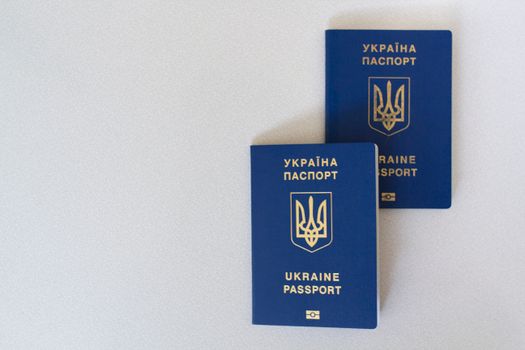 Photo: Borys Zaitsev / Pexels
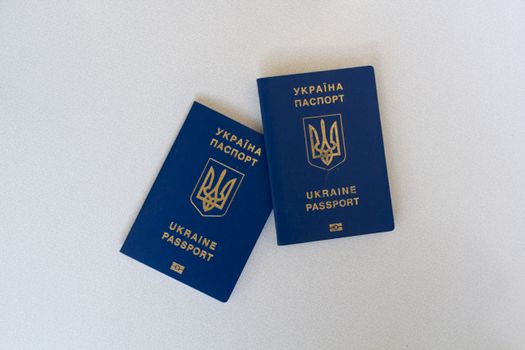 Photo: Borys Zaitsev / Pexels
 Photo: Nataliya Vaitkevich / Pexels