Canada Visa Requirements for Tourists: Your Ultimate Guide
June 23, 2026 15 min read 3,079 words
Unlock the secrets to a smooth entry into Canada, whether you need an eTA or a visitor visa, ensuring your travel plans are stress-free.
Plan Your Trip Now
Understanding the Basics: eTA vs. Visitor Visa for Canada
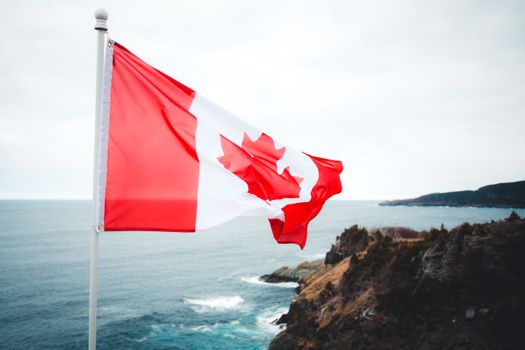 Photo: Erik Mclean / Pexels
Planning a trip to the vast and beautiful landscapes of Canada is an exciting prospect, but navigating the entry requirements can sometimes feel like a complex puzzle. For tourists, the primary hurdle involves understanding whether they need an Electronic Travel Authorization (eTA) or a traditional visitor visa, also known as a Temporary Resident Visa (TRV). This fundamental distinction is the cornerstone of your travel preparation and depends entirely on your nationality.
An eTA is a digital travel document that most visa-exempt foreign nationals need to fly to or transit through Canada. It's electronically linked to your passport and is valid for up to five years or until your passport expires, whichever comes first. This means if you get a new passport within that five-year period, you'll need to apply for a new eTA. The eTA system was introduced to pre-screen travelers for security purposes, making the border crossing process smoother upon arrival. Countries whose citizens typically require an eTA include most European Union nations, Australia, New Zealand, and others. The application process is entirely online, usually takes only a few minutes to complete, and approval often comes within minutes or hours. The fee is minimal, making it a convenient option for eligible travelers. However, it's crucial to remember that an eTA is only for air travel; if you're entering Canada by land or sea, an eTA is not required, though other entry rules still apply.
On the other hand, a visitor visa (TRV) is required for citizens of countries that are not visa-exempt. This is a more comprehensive application process, often requiring more documentation, an interview, and a longer processing time. Countries like India, China, the Philippines, and many African and South American nations fall into this category. The visitor visa is a sticker placed in your passport, indicating your authorization to enter Canada for a temporary stay. The application typically involves demonstrating your intent to leave Canada at the end of your authorized stay, proving you have sufficient funds to support yourself, and showing that you have ties to your home country (e.g., employment, property, family) that will compel you to return. You might also need to provide a letter of invitation from a Canadian resident if you are visiting friends or family. The application can be submitted online through the Immigration, Refugees and Citizenship Canada (IRCC) portal, or in some cases, through a Visa Application Centre (VAC). Processing times vary significantly based on your country of residence and the volume of applications, so it’s essential to apply well in advance of your planned travel dates. Regardless of whether you need an eTA or a TRV, the Canadian government's goal is to ensure that all visitors are legitimate tourists who will respect the country's laws and depart as required. For more detailed information on visa requirements for specific nationalities, you can always refer to the official IRCC website, which is the most reliable source for up-to-date information. Understanding these core differences is your first step towards a successful application and an unforgettable Canadian adventure. For those planning extended stays or even considering work or study, exploring options beyond tourism visas is essential; you can learn more about various immigration pathways by clicking here:
Canadian Immigration Pathways.
Essential Documentation for Your Canadian Tourist Visa Application
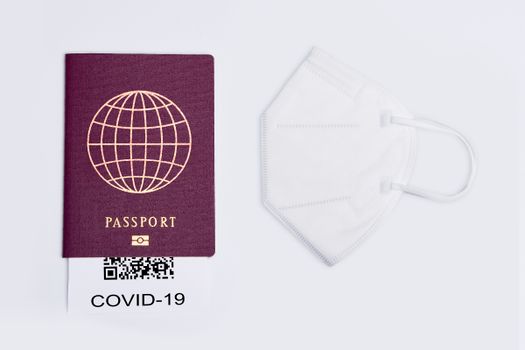 Photo: adrian vieriu / Pexels
Once you've determined whether you need an eTA or a visitor visa, the next critical step is to meticulously gather all the required documentation. The success of your application heavily relies on providing accurate, complete, and compelling evidence. While the specific documents can vary slightly between an eTA and a visitor visa, and even between different nationalities for TRVs, there's a core set of items every tourist should prepare.
For an eTA, the documentation is relatively straightforward. You will primarily need a valid passport from a visa-exempt country. During the online application, you’ll be asked for personal details as they appear on your passport, your email address, and a credit card to pay the small processing fee. It’s crucial that the information you enter exactly matches your passport to avoid issues. While not typically required to upload documents during the eTA application, it's always wise to have your travel itinerary and accommodation details handy, as you may be asked for them upon arrival at the Canadian border.
For a visitor visa (TRV), the list of required documents is much more extensive and designed to prove your eligibility as a genuine tourist. The absolute bedrock is a valid passport with at least six months validity remaining beyond your intended stay in Canada. You'll also need two recent passport-sized photos that meet IRCC specifications (size, background, expression). A fully completed application form, IMM 5257, and a Family Information form, IMM 5707, are mandatory. Perhaps the most crucial aspect of a TRV application is demonstrating financial capability. This means providing proof of funds, such as bank statements for the past four to six months, pay stubs, employment letters confirming your salary, or a letter from a sponsor if someone else is funding your trip. The amount required isn't fixed but should be sufficient to cover your travel, accommodation, and daily expenses without working in Canada.
Further critical documents include a detailed travel itinerary outlining your planned activities, flights, and accommodation bookings. This helps the visa officer understand the purpose and duration of your visit. Proof of ties to your home country is equally vital to convince the authorities that you intend to return. This can include an employment letter, property ownership documents, marriage certificates, birth certificates of dependents, or school enrollment letters if you are a student. If you’re visiting family or friends, a letter of invitation from them, along with their status in Canada (e.g., Canadian citizen, permanent resident), address, and contact information, can significantly strengthen your application. For minors traveling alone or with only one parent, a consent letter from the non-traveling parent(s) or legal guardian(s) is mandatory. All documents not in English or French must be accompanied by certified translations. Preparing these documents meticulously and organizing them clearly will not only expedite the processing of your application but also demonstrate your commitment to fulfilling all the Canada visa requirements for tourists. It's a significant investment of time, but a necessary one for a successful outcome.
The Application Process: Step-by-Step for Tourists
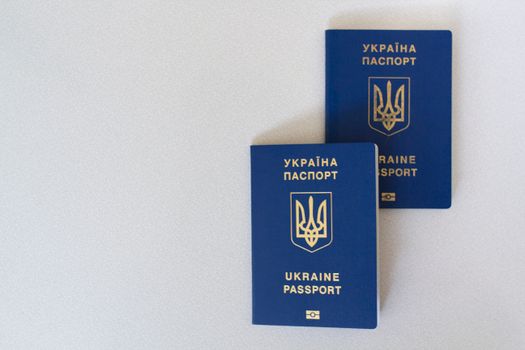 Photo: Borys Zaitsev / Pexels
Embarking on the application process for a Canadian tourist visa, whether it's an eTA or a TRV, requires a systematic approach. Understanding each step ensures you navigate the system efficiently and minimize potential delays or rejections. While the specifics differ, the overarching goal is to present a clear, honest, and comprehensive case for your temporary entry into Canada.
For an eTA, the process is streamlined and almost entirely digital. You'll begin by visiting the official Government of Canada website. Look for the Electronic Travel Authorization section. The application form will ask for personal details from your passport, including your name, date of birth, place of birth, passport number, issue and expiry dates. You'll also need to provide your current address, email, and answer a series of security questions related to your background and health. Ensure all information is accurate and matches your passport exactly. After completing the form, you'll pay a small fee using a credit card. Most applicants receive their eTA approval via email within minutes, sometimes within hours or a few days if additional checks are needed. It's crucial to print or save this confirmation email, although the eTA is electronically linked to your passport. Remember, an eTA is for visa-exempt foreign nationals who fly to or transit through Canada.
For a visitor visa (TRV), the process is more involved. First, you'll need to create an account on the IRCC (Immigration, Refugees and Citizenship Canada) online portal. This portal will guide you through a series of questions to determine your eligibility and generate a personalized document checklist. This checklist is paramount, as it specifies every document you need to upload based on your answers. Common documents include your valid passport, two recent passport-sized photos, a completed IMM 5257 (Application for Temporary Resident Visa) and IMM 5707 (Family Information) forms, proof of financial support (bank statements, employment letters), a detailed travel itinerary, and evidence of ties to your home country. If you have a letter of invitation, it should also be uploaded here.
Once all documents are uploaded and the forms completed, you'll pay the application fee online. Following payment, many applicants for a visitor visa will be required to provide biometrics (fingerprints and a photo) at a designated Visa Application Centre (VAC) in their country of residence. You will receive a Biometric Instruction Letter (BIL) after submitting your application, which you must bring to your biometrics appointment. This step is mandatory for most TRV applicants and processing of your application will not begin until your biometrics are collected. After your biometrics are submitted, you await a decision. Processing times can vary significantly, ranging from a few weeks to several months, depending on the VAC and the complexity of your case. If approved, you will receive a Passport Request Letter, instructing you to send your passport to the VAC for visa stamping. Once stamped, your passport with the visitor visa will be returned to you. Throughout this process, it's vital to regularly check your IRCC account for updates and respond promptly to any requests for additional information. Diligence and attention to detail are key to successfully meeting the canada visa requirements for tourists and securing your entry. For assistance with preparing your travel documents, you might find this guide helpful:
Guide to Travel Document Preparation.
Common Pitfalls and How to Avoid Them in Your Canadian Visa Application
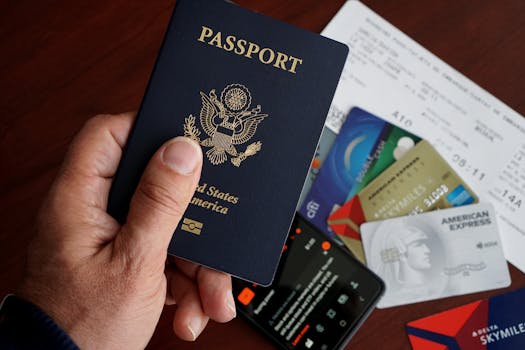 Photo: DΛVΞ GΛRCIΛ / Pexels
Applying for a Canadian tourist visa, whether an eTA or a TRV, can be a smooth process, but it's also fraught with common pitfalls that can lead to delays or outright rejections. Being aware of these traps and taking proactive steps to avoid them is crucial for a successful application and a stress-free journey to Canada. The most frequent issues often stem from a lack of attention to detail, misunderstanding requirements, or providing insufficient evidence.
One of the most common mistakes is providing incomplete or inaccurate information. For eTAs, even a minor discrepancy between your application details and your passport can cause issues. For TRVs, failing to fill out every section of the application forms completely, or providing inconsistent information across different documents, can raise red flags. Always double-check all entries, ensuring they match your official documents perfectly. Another significant pitfall is insufficient proof of funds. Many applicants underestimate the amount of money required to convince immigration officers that they can support themselves during their stay without resorting to illegal work. While there’s no fixed amount, having access to at least CAD $1,000 per month of your intended stay, in addition to return flight costs, is a good benchmark. Bank statements should show consistent financial activity and sufficient balance over several months, not just a sudden large deposit.
Failing to demonstrate strong ties to your home country is another major reason for TRV rejections. Immigration officers need to be convinced that you will return home after your visit. This means providing compelling evidence such as employment letters, property deeds, marriage certificates, birth certificates of dependents, or proof of ongoing studies. Simply stating you will return is not enough; tangible proof is required. A poorly constructed or vague travel itinerary can also be a problem. A detailed itinerary shows that you have a clear purpose for your visit and have planned your trip thoroughly, which reassures officers of your genuine tourist intent. Include flight details, accommodation bookings, and a list of cities and attractions you plan to visit.
Not adhering to photo specifications can cause delays, as non-compliant photos will be rejected. Ensure your photos are recent, correctly sized, have a plain background, and show a neutral expression. Furthermore, neglecting to provide certified translations for documents not in English or French will result in your application being deemed incomplete. Always use a certified translator and include both the original document and the translation. Finally, applying too late is a common mistake, especially for TRVs. Processing times can be unpredictable, so apply well in advance of your planned travel dates to avoid last-minute stress or having to reschedule your trip. By meticulously reviewing all requirements, double-checking your information, and providing robust supporting documentation, you can significantly increase your chances of a successful application and enjoy your Canadian adventure without unnecessary hurdles.
