Your Ultimate Canada Travel Guide for First Timers
August 30, 2026 15 min read 2,991 words
Navigate the vast beauty of Canada with confidence, from majestic mountains to vibrant cities, ensuring an unforgettable first journey.
Start Your Canadian Adventure
Navigating Canada: Essential Pre-Trip Planning for First Timers
 Photo: Ali Kazal / Pexels
Embarking on your first Canadian adventure is an exciting prospect, but the sheer size and diversity of the country can feel daunting. This comprehensive Canada travel guide for first timers aims to simplify your planning process, ensuring a smooth and memorable journey. The initial steps involve meticulous planning, starting with understanding Canada's geography and climate. Canada spans six time zones and boasts climates ranging from temperate rainforests on the Pacific coast to Arctic tundra in the north. Therefore, pinpointing your desired region and travel season is paramount. Are you dreaming of skiing in the Rockies, exploring the vibrant city life of Toronto or Montreal, or whale watching on the East Coast? Each region offers a distinct experience, and your chosen activities will heavily influence the best time to visit. For instance, the summer months (June to August) are ideal for hiking and outdoor adventures across most of the country, while winter (December to March) transforms many areas into a snowy paradise perfect for winter sports. Spring and fall offer beautiful foliage and fewer crowds, making them excellent choices for scenic drives and cultural exploration.
Once you have a general idea of where and when, focus on the practicalities. First and foremost, ensure your passport is valid for at least six months beyond your intended departure date. Next, research Canada's entry requirements based on your nationality. Many visitors require an Electronic Travel Authorization (eTA) if arriving by air, while others may need a visitor visa. It's crucial to apply for these well in advance to avoid last-minute complications. The official Government of Canada website is your most reliable source for up-to-date information on immigration and travel documents. Don't overlook travel insurance; it's an indispensable safeguard against unexpected medical emergencies, trip cancellations, or lost luggage. Canada's healthcare system, while excellent, is not free for visitors, and medical costs can be substantial. A good travel insurance policy provides peace of mind and financial protection.
Budgeting is another critical component of pre-trip planning. Canada can be an expensive country, especially in major cities like Vancouver, Toronto, and Calgary. Factor in costs for flights, accommodation, transportation, food, activities, and a buffer for unforeseen expenses. Research average prices for your chosen activities and dining preferences. Consider purchasing a Parks Canada Discovery Pass if you plan to visit multiple national parks, as this can offer significant savings. Accommodation ranges from budget-friendly hostels to luxury hotels and unique Airbnb stays. Booking in advance, particularly during peak season, is highly recommended to secure the best rates and availability. For internal travel, Canada has a well-developed network of domestic flights, trains (Via Rail), and inter-city buses (like Greyhound or Rider Express). Renting a car is often the best way to explore rural areas and national parks, offering flexibility and access to remote attractions. Remember to factor in fuel costs, which can vary significantly by province. Finally, familiarize yourself with Canadian currency (CAD) and exchange rates. While credit cards are widely accepted, it's wise to carry some cash for smaller purchases or in areas where card readers might be less common. Understanding these fundamental planning elements will lay a solid foundation for an incredible journey through Canada.
Discover more about visa requirements for Canada.
Exploring Canada's Diverse Regions: Must-Visit Destinations and Experiences
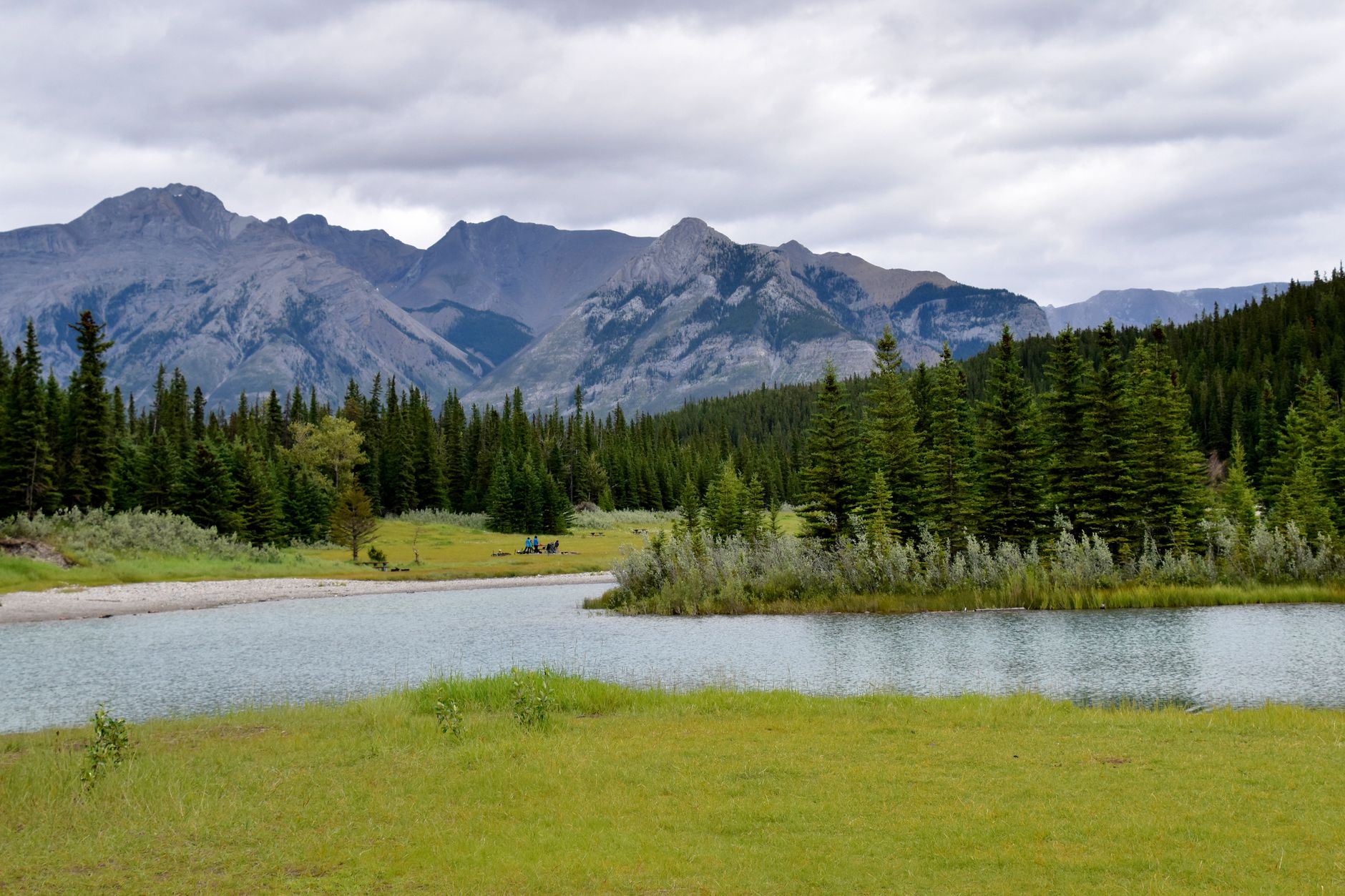
Canada's vastness is its greatest asset, offering an unparalleled array of landscapes and cultural experiences. As a Canada travel guide for first timers, it's essential to highlight some of the country's most iconic and diverse regions. On the West Coast, British Columbia beckons with its stunning natural beauty. Vancouver, a vibrant coastal city, is a gateway to outdoor adventures, from skiing on Grouse Mountain to exploring Stanley Park. Just a short ferry ride away, Vancouver Island offers the charming city of Victoria, ancient rainforests in Pacific Rim National Park, and incredible whale watching opportunities. The Canadian Rockies, spanning British Columbia and Alberta, are a UNESCO World Heritage site and home to some of the world's most breathtaking scenery. Banff, Jasper, and Lake Louise are iconic destinations, famous for their turquoise lakes, majestic peaks, and abundant wildlife. Activities here include hiking, kayaking, wildlife viewing, and in winter, world-class skiing and snowboarding.
Moving eastward, the Prairies (Alberta, Saskatchewan, Manitoba) offer a different kind of beauty: vast skies, golden wheat fields, and unique cultural experiences. While often overlooked by international tourists, these provinces provide an authentic glimpse into Canadian agriculture and history. Cities like Calgary and Edmonton in Alberta, and Winnipeg in Manitoba, offer a blend of urban amenities and access to natural parks. Ontario and Quebec form the heartland of Eastern Canada, offering a rich tapestry of history, culture, and urban sophistication. Toronto, Canada's largest city, is a multicultural hub known for its diverse neighborhoods, iconic CN Tower, and vibrant arts scene. A short drive away, Niagara Falls is a natural wonder that captivates millions of visitors annually. Quebec, with its strong French heritage, feels like a piece of Europe in North America. Montreal, a dynamic bilingual city, boasts stunning architecture, world-class cuisine, and a lively festival scene. Quebec City, a UNESCO World Heritage site, is North America's only walled city, charming visitors with its cobblestone streets and historic sites.
The Atlantic Provinces (New Brunswick, Nova Scotia, Prince Edward Island, Newfoundland and Labrador) offer a rugged coastal charm, rich maritime history, and unparalleled hospitality. Nova Scotia's Cabot Trail is one of the world's most scenic drives, winding along the coast of Cape Breton Island. Prince Edward Island, Canada's smallest province, is famous for its red sand beaches and the Anne of Green Gables literary legacy. Newfoundland and Labrador, the easternmost province, is a land of dramatic fjords, icebergs, and ancient Viking history. Each region offers distinct culinary delights, from fresh West Coast seafood to Quebecois poutine and Atlantic lobster. When planning your route, consider how much time you have. It's better to explore one or two regions deeply than to rush through too many. Canada's public transport between these regions can be extensive, but renting a car offers the most flexibility for exploring diverse landscapes. Be prepared for long distances and varying weather conditions, especially if traveling across multiple provinces. This diversity is what makes Canada such an appealing destination for first-time visitors, promising an adventure tailored to every interest.
Cultural Etiquette, Safety Tips, and Getting Around Canada
Understanding local customs, prioritizing safety, and knowing how to navigate are crucial for any first-time visitor, and this Canada travel guide for first timers provides essential insights. Canada is renowned for its politeness and multiculturalism. While there isn't a strict etiquette code, common courtesies go a long way. Saying 'please' and 'thank you' is standard, and queuing (lining up) for services is expected. Canadians tend to be reserved but friendly, so don't be afraid to ask for directions or recommendations. Tipping is customary in service industries like restaurants, bars, and taxis, typically ranging from 15% to 20% for good service. In Quebec, French is the official language, and while many people in tourist areas are bilingual, attempting a few basic French phrases can be appreciated. Respect for Indigenous cultures is also important; if visiting Indigenous communities or cultural sites, be mindful of their traditions and history. Canada has a strong commitment to environmental conservation, so always practice Leave No Trace principles when enjoying the outdoors.
Safety is generally not a major concern in Canada, which consistently ranks among the safest countries in the world. However, like any travel destination, it's wise to take standard precautions. Be aware of your surroundings, especially in crowded urban areas or late at night. Keep valuables secure and avoid displaying large sums of cash. When exploring national parks or wilderness areas, inform someone of your itinerary, carry appropriate gear, and be aware of local wildlife, particularly bears. Bear spray and knowledge of how to use it can be vital in certain regions. Always check weather forecasts, especially if you're engaging in outdoor activities, as conditions can change rapidly. Emergency services can be reached by dialing 911 (for police, fire, or ambulance) anywhere in Canada.
Getting around Canada can be a significant undertaking due to its size. For inter-province travel, domestic flights are often the quickest option, connecting major cities efficiently. Canada's national railway, Via Rail, offers scenic routes, particularly between Montreal and Halifax or through the Rockies, but it can be slower and more expensive than flying. Inter-city bus services provide a more budget-friendly alternative for shorter distances. Within cities, public transportation systems (subways, buses, streetcars) are generally excellent, especially in Vancouver, Toronto, and Montreal. Taxis and ride-sharing services like Uber and Lyft are also widely available. For exploring rural areas, national parks, or embarking on a road trip, renting a car is highly recommended. Roads are well-maintained, but distances can be vast, so plan your routes carefully and factor in breaks. Be aware of varying speed limits and road signs, which are often bilingual in Quebec. In winter, ensure your rental car is equipped with appropriate tires for snowy and icy conditions. Understanding these aspects of Canadian life will enrich your travel experience and help you navigate the country with confidence.
Learn more about safe travel practices.
Essential Tips for a Smooth First-Time Canada Trip
Making your first trip to Canada as smooth and enjoyable as possible requires a few insider tips. Beyond the general planning, these practical pieces of advice will help you navigate the nuances of Canadian travel.
**Top Tips for First-Time Visitors:**
* **Embrace the Weather Layers:** Canada's weather is notoriously unpredictable and can change rapidly, even within a single day or region. Pack versatile layers, regardless of the season. A waterproof jacket is almost always a good idea. Even in summer, evenings can be cool. In winter, invest in good quality thermal wear, waterproof outer layers, and warm accessories.
* **Understand Sales Tax (GST/PST/HST):** Prices displayed in stores and restaurants typically do not include sales tax. Canada has a Goods and Services Tax (GST) of 5%, and some provinces also have a Provincial Sales Tax (PST) or a Harmonized Sales Tax (HST) which combines both. The total tax can range from 5% to 15% depending on the province. Always factor this into your budget.
* **Stay Connected:** While many hotels and cafes offer free Wi-Fi, consider purchasing a local SIM card or an e-SIM for reliable data access, especially if you plan to use navigation apps or stay in touch on the go. Major carriers include Bell, Rogers, and Telus.
* **Learn Basic French (for Quebec):** While English is widely spoken in tourist areas of Quebec, making an effort to use basic French phrases ('Bonjour,' 'Merci,' 'S'il vous plaît') will be appreciated and can enhance your cultural experience.
* **Be Mindful of Wildlife:** Especially in national parks and rural areas, you're likely to encounter wildlife. Never feed animals, keep a safe distance, and store food securely to avoid attracting them. Familiarize yourself with bear safety protocols if you're hiking.
* **Book Popular Attractions in Advance:** Especially for iconic sites like the CN Tower, whale watching tours, or popular restaurant reservations, booking online ahead of time can save you time, guarantee entry, and sometimes offer discounts. This is particularly true during peak tourist season.
* **Carry Identification:** Always carry a form of identification, such as your passport or a driver's license. While not always required for everyday activities, it's good practice and necessary for things like purchasing alcohol.
* **Pace Yourself:** Canada is enormous. Don't try to see too much in one trip. Focus on one or two regions to truly savor the experience rather than rushing through countless destinations. Long travel distances between major cities are common.
* **Respect Indigenous Land:** Recognize that you are traveling on traditional Indigenous territories. Many parks and cultural sites offer opportunities to learn about Indigenous history and culture. Approach these experiences with respect and an open mind.
* **Drink Tap Water:** Canada's tap water is safe and delicious to drink in virtually all populated areas. Carry a reusable water bottle to stay hydrated and reduce plastic waste.
Following these tips will significantly enhance your first Canadian journey, allowing you to focus on the breathtaking scenery and rich cultural experiences without unnecessary stress.