Your Ultimate Canada Travel Guide for First Timers
Canada travel guide for first timers

Your Ultimate Canada Travel Guide for First Timers

Tranquil Lake O'Hara with boats and mountains in British Columbia, perfect for nature lovers.Photo: JENNY DILPHY / Pexels

Your Ultimate Canada Travel Guide for First Timers

Unlock the secrets to an unforgettable first Canadian adventure, from majestic Rockies to vibrant cityscapes.

Start Your Canadian Journey!

Key Takeaways

  • ✓ Canada is the second-largest country by land area, offering diverse landscapes.
  • ✓ Both English and French are official languages, though French is primarily spoken in Quebec.
  • ✓ The Canadian dollar (CAD) is the official currency.
  • ✓ Weather varies dramatically by region and season; pack accordingly.

How It Works

1
Plan Your Itinerary

Research regions that align with your interests, whether it's urban exploration, wilderness adventures, or cultural immersion. Consider travel times between destinations as Canada is vast.

2
Secure Travel Documents

Check visa requirements for your nationality well in advance; many visitors require an Electronic Travel Authorization (eTA) or a visa. Ensure your passport is valid for at least six months beyond your planned departure.

3
Budget and Book

Estimate costs for flights, accommodation, activities, and food, then book major components like international flights and popular tours early. Factor in transportation within Canada, which can be significant.

4
Pack Smartly

Prepare for varying weather conditions, even within the same season, especially if traveling across different provinces. Layers are key, and consider sturdy footwear for exploring.

Navigating Entry Requirements and Essential Preparations

A woman holding a passport with a boarding pass and a smartphone, ready for travel.Photo: Thiếu Quân Võ Vũ / Pexels
Embarking on your inaugural Canadian adventure is an exciting prospect, but the first step is ensuring you meet all entry requirements. For many international visitors, an Electronic Travel Authorization (eTA) is mandatory before boarding a flight to Canada. This is a small, online application that typically takes minutes to complete and costs a nominal fee. However, citizens of certain countries may require a full visitor visa, which involves a more extensive application process and can take weeks or even months to process. Always check the official Government of Canada website well in advance of your planned travel dates to determine your specific requirements based on your nationality and mode of entry. It's crucial to have a valid passport that extends at least six months beyond your intended departure from Canada. Without proper documentation, your trip could be cut short before it even begins. Beyond visas and passports, consider travel insurance an absolute non-negotiable. Canada has an excellent healthcare system, but it's not free for visitors. A sudden illness or accident can lead to astronomical medical bills, making comprehensive travel insurance a wise investment. This should cover medical emergencies, trip cancellation or interruption, and lost luggage. Another vital preparation is understanding the local currency, the Canadian Dollar (CAD). While credit cards are widely accepted, especially Visa and Mastercard, it's always good to have some cash for smaller vendors or emergencies. Inform your bank of your travel plans to avoid issues with card usage abroad. Lastly, familiarize yourself with Canadian customs regulations regarding what you can and cannot bring into the country, especially concerning food, plants, and alcohol. Being prepared will alleviate stress and allow you to fully immerse yourself in the Canadian experience from the moment you land. For more detailed information on visa processes, check out our comprehensive guide to international travel documents.

Choosing Your Canadian Adventure: Regions and Experiences
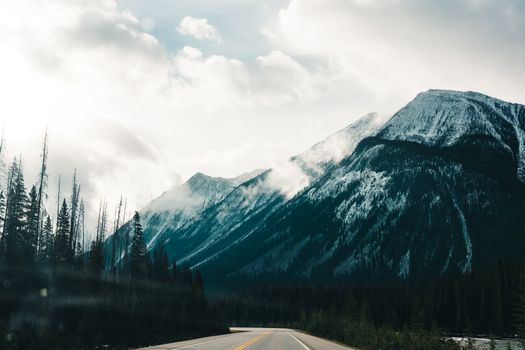
Breathtaking view of the snow-capped mountains and road in Banff National Park, Alberta, Canada.Photo: Ali Kazal / Pexels
Canada's sheer size means that a single trip can only scratch the surface of its diverse offerings. Deciding where to go is perhaps the most exciting and challenging part of planning your Canada travel guide for first timers. Each region boasts its unique charm and array of activities. **Eastern Canada:** If you're drawn to historic cities, vibrant culture, and scenic coastlines, Eastern Canada is a fantastic choice. Toronto, Ontario, is Canada's largest city, a multicultural hub with world-class dining, museums, and the iconic CN Tower. A short drive away, Niagara Falls offers a breathtaking natural wonder. Moving east, Montréal and Quebec City in Quebec offer a distinctly European feel with their French heritage, cobblestone streets, and historic architecture. The Maritime provinces—Nova Scotia, New Brunswick, and Prince Edward Island—are renowned for their picturesque fishing villages, fresh seafood, and stunning coastal drives like the Cabot Trail. This region is perfect for those who appreciate history, charming towns, and maritime beauty. **Western Canada:** For those seeking majestic mountains, pristine wilderness, and outdoor adventures, Western Canada is unparalleled. Alberta is home to the Rocky Mountains, featuring world-famous national parks like Banff and Jasper, where you can hike, ski, spot wildlife, and marvel at turquoise lakes. British Columbia offers a blend of coastal beauty and mountain landscapes. Vancouver, a bustling cosmopolitan city, is nestled between mountains and the Pacific Ocean, offering urban attractions alongside easy access to nature. Victoria, on Vancouver Island, provides a more laid-back, charming experience. This region is a paradise for hikers, skiers, wildlife enthusiasts, and anyone who loves dramatic natural scenery. **Central Canada & The Prairies:** While often overlooked, the central provinces and prairies offer unique experiences. Manitoba and Saskatchewan provide vast skies, rich agricultural landscapes, and opportunities to learn about Indigenous cultures. Winnipeg, Manitoba, is a cultural hotspot with excellent museums and a thriving arts scene. **The North:** For the truly adventurous, Canada's North (Yukon, Northwest Territories, Nunavut) offers an experience like no other. Witness the spectacular Aurora Borealis, explore vast, untouched wilderness, and immerse yourself in Indigenous traditions. This region is remote and requires careful planning but promises an unforgettable, once-in-a-lifetime journey. Consider the time of year you plan to visit, as this heavily influences the activities available and the scenery. Summer (June-August) is ideal for outdoor activities across most regions, while autumn (September-October) brings stunning fall foliage, especially in Eastern Canada. Winter (December-March) transforms much of the country into a snowy wonderland, perfect for skiing and winter sports. Spring (April-May) is a transitional period, offering fewer crowds and blooming landscapes. Your choice of region should align with your interests and the season of your visit to maximize your enjoyment of this incredible country.

Transportation, Accommodation, and Budgeting for Your Trip
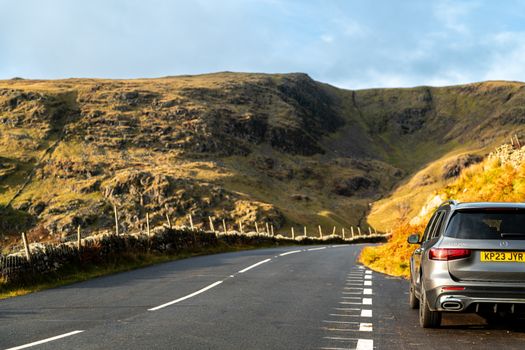
A scenic view of a mountain road with a parked car during autumn, showcasing rural nature.Photo: Michał Robak / Pexels
Understanding the logistics of getting around and finding suitable lodging is crucial for any Canada travel guide for first timers. Given Canada's vastness, internal transportation will be a significant part of your budget and planning. For long distances, especially between provinces, flying is often the most practical option. Major airlines like Air Canada and WestJet connect cities across the country, but domestic flights can be expensive if not booked in advance. For shorter distances or scenic routes, VIA Rail Canada offers train services, providing a comfortable and picturesque way to travel, though it can be slower and pricier than buses. Inter-city bus services like Greyhound (though less prevalent than before) and regional operators offer more budget-friendly options, particularly in populated corridors. However, for ultimate flexibility, especially if you plan to explore national parks or rural areas, renting a car is highly recommended. Roads are generally well-maintained, but be prepared for long drives and varying road conditions, especially in winter. Ensure you understand insurance options and have an international driving permit if required by your home country. Accommodation in Canada ranges from luxurious five-star hotels and charming boutique inns to budget-friendly hostels and rustic campgrounds. In major cities, you'll find all the standard hotel chains, as well as unique Airbnb and vacation rental options. Booking well in advance, particularly during peak seasons (summer and major holidays), is essential, especially for popular destinations like Banff, Vancouver, or Quebec City. National parks often have lodges and campgrounds that fill up months in advance. If you're on a tighter budget, look for hostels, university residences during summer, or consider camping. Many provinces offer excellent provincial parks with camping facilities. Budgeting for your Canadian trip requires careful consideration. A mid-range budget for a solo traveler could be anywhere from CAD 150-300 per day, depending heavily on your chosen activities, accommodation style, and dining preferences. Flights to Canada can be a significant cost, so start monitoring prices early. Daily expenses will include accommodation (CAD 70-200+), food (CAD 40-100+), activities and attractions (CAD 30-100+), and local transportation. Eating out, especially in tourist areas, can add up quickly. Consider self-catering some meals if your accommodation allows, or explore local markets and casual eateries. Always factor in taxes (GST/HST) which are added to most goods and services and vary by province. Tipping is customary for service industries (restaurants, taxis, hairdressers) at around 15-20%. Having a clear budget and tracking your expenses will help you enjoy your trip without financial stress. For more insights on affordable travel within Canada, see our guide on budgeting for extended trips.

Essential Tips and Common Mistakes for First-Time Visitors
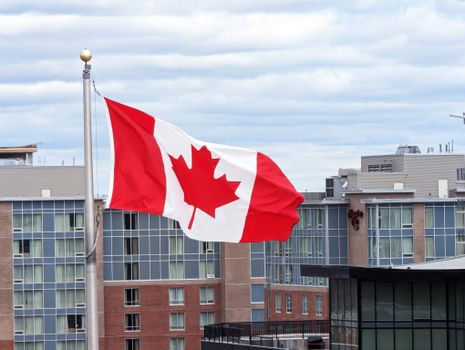
Canadian flag on a pole waving against modern buildings in Halifax, Nova Scotia.Photo: Bogdan Krupin / Pexels
Making the most of your first Canadian journey means being prepared and avoiding common pitfalls. Here are some essential tips and mistakes to steer clear of: * **Embrace the Weather Variability:** Canada's weather is notoriously unpredictable. Even in summer, evenings can be cool, and mountain weather can change rapidly. Always pack layers, regardless of the season, and be prepared for rain. In winter, proper insulated clothing is non-negotiable. * **Understand the Tipping Culture:** Tipping is expected in Canada for service industries. A standard tip for good service in restaurants, bars, and taxis is 15-20%. For exceptional service, you might tip more. Many payment terminals will offer tipping options. * **Don't Underestimate Distances:** Canada is enormous. What looks like a short hop on a map can be an 8-hour drive. Plan your itinerary realistically and factor in ample travel time between destinations. Don't try to cram too much into one trip. * **Book Accommodations and Popular Activities in Advance:** Especially during peak season (summer, ski season), popular hotels, national park campgrounds, and major attractions like whale watching tours or specific timed entries can book up months ahead. Spontaneity is charming, but not always practical in Canada. * **Learn Basic French if Visiting Quebec:** While many people in Montréal and Quebec City speak English, making an effort to use basic French phrases (Bonjour, Merci, S'il vous plaît) will be greatly appreciated and enhance your cultural experience. * **Stay Connected:** Consider purchasing a local SIM card or an eSIM plan upon arrival. This provides reliable data for navigation, communication, and looking up local information without incurring expensive roaming charges. * **Be Wildlife Aware:** Especially in national parks and rural areas, you might encounter wildlife like bears, elk, or moose. Always maintain a safe distance, never feed wild animals, and know what to do in an encounter (e.g., carry bear spray and know how to use it in bear country). * **Don't Forget About Taxes:** The prices you see on menus or price tags often don't include taxes (GST/HST/PST), which will be added at checkout. This can be a surprise for those unfamiliar with the system. * **Factor in Time Zone Changes:** Canada spans six time zones. If you're traveling across the country, be mindful of these changes when planning flights, meetings, or communicating with people in different regions. * **Research Local Customs and Laws:** From alcohol consumption laws (age 18 or 19 depending on the province) to cannabis regulations (legal but with strict rules on where it can be consumed), understanding local laws will prevent any unintentional missteps. Always check provincial regulations before you arrive.

Comparison

AspectBest Option for First TimersAlternative (Pro/Con)Alternative (Pro/Con)
Travel StyleMix of city & nature (e.g., Vancouver & Rockies)City-focused (e.g., Toronto & Montreal) - Pro: cultural immersion, Con: less natureWilderness adventure (e.g., Yukon) - Pro: unique, Con: requires more planning/experience
TransportationRental Car (for flexibility)Flights (Pro: speed, Con: cost/less scenic)VIA Rail (Pro: scenic, Con: slower/less flexible)
AccommodationMid-range hotels/AirbnbsHostels (Pro: budget, Con: less privacy)Luxury resorts (Pro: comfort, Con: high cost)
Best SeasonSummer (June-August)Fall (Sept-Oct) - Pro: foliage, fewer crowds, Con: cooler weatherWinter (Dec-Mar) - Pro: snow sports, Con: cold, limited access

What Our Readers Say

5 ★★★★★

"This Canada travel guide for first timers was incredibly thorough! It helped me navigate visa requirements and choose between the East and West with confidence. My trip to British Columbia was flawless because of this guide."

5 ★★★★★

"As a first-time visitor, I was overwhelmed by Canada's size. This guide broke down budgeting and transportation, making my cross-country journey much less daunting. Highly recommend for anyone planning their inaugural visit!"

5 ★★★★★

"Thanks to this guide, I knew exactly what to pack for my trip to the Rockies and even understood the tipping culture beforehand. It saved me from several potential awkward situations and made my trip so enjoyable."

4 ★★★★☆

"The information on regional differences was spot on, though I wish there was a bit more detail on specific hidden gems. Still, it's an excellent starting point for any first-timer considering Canada."

5 ★★★★★

"The visa and eTA information was crucial for my planning. This guide clarified everything and even helped me understand how to best use my credit cards in Canada. A truly indispensable resource for anyone new to Canadian travel."

Frequently Asked Questions

What's the best time of year for a first-time visit to Canada?
The best time depends on your interests. Summer (June-August) is ideal for warm weather, outdoor activities, and sightseeing across most regions. Fall (September-October) offers stunning foliage, especially in Eastern Canada, and fewer crowds. Winter (December-March) is perfect for snow sports, while spring (April-May) provides blooming landscapes and good value.
Is Canada an expensive country to visit?
Canada can be moderately expensive, especially in major cities and popular tourist destinations like Banff. Accommodation, flights, and dining out are the main costs. However, with careful budgeting, utilizing public transport, and exploring free activities, you can manage expenses. Renting a car for flexibility can add to costs but is often worth it.
Do I need a visa or eTA to enter Canada?
Most international visitors require either an Electronic Travel Authorization (eTA) or a visitor visa. The eTA is for visa-exempt nationals flying into Canada, while others need a full visitor visa. Always check the official Government of Canada website based on your nationality and method of travel well in advance of your trip.
How much should I budget per day for a trip to Canada?
A mid-range budget for a solo traveler in Canada typically ranges from CAD 150-300 per day. This includes accommodation (CAD 70-200), food (CAD 40-100), and activities (CAD 30-100). This figure can be lower if you opt for hostels and self-catering, or significantly higher for luxury travel.
What's the difference between Eastern and Western Canada for tourists?
Eastern Canada (Ontario, Quebec, Maritimes) is known for its historic cities, European charm, and coastal beauty. Western Canada (Alberta, British Columbia) is famous for its majestic mountains, national parks, and extensive outdoor adventure opportunities. Your choice depends on whether you prefer urban exploration and culture or dramatic natural landscapes and adventure.
Who should use this Canada travel guide for first timers?
This guide is specifically designed for individuals planning their very first trip to Canada. It's ideal for those who need comprehensive information on entry requirements, regional choices, budgeting, transportation, and essential tips to ensure a smooth, enjoyable, and well-informed initial visit to the country.
Is it safe to travel alone in Canada?
Canada is generally considered a very safe country for solo travelers, including women. Major cities are safe, but like anywhere, exercise common sense and be aware of your surroundings, especially at night. When exploring wilderness areas, inform someone of your itinerary and be prepared for potential wildlife encounters.
What are some emerging travel trends in Canada?
Sustainable and eco-tourism are growing trends, with many travelers seeking authentic experiences that minimize environmental impact. Indigenous tourism is also gaining prominence, offering opportunities to learn about First Nations, Inuit, and Métis cultures. Remote workcations are also on the rise, with visitors extending stays to combine work and leisure in scenic locations.

Ready to turn your Canadian dream into a reality? This comprehensive Canada travel guide for first timers is your essential companion. Start planning your unforgettable journey today and discover the breathtaking beauty and vibrant culture that awaits you.

Topics: Canada travel guide for first timersfirst trip to Canadaplan Canada tripCanadian travel tipsexplore Canada
Leo List
Brampton weed
Adultwork