Your Ultimate Canada Travel Guide for First Timers
canada travel guide for first timers

Your Ultimate Canada Travel Guide for First Timers

Embark on an unforgettable Canadian adventure with this essential guide, ensuring a smooth and spectacular first visit.

Start Your Canadian Journey

Key Takeaways

  • ✓ Canada is the world's second-largest country by total area.
  • ✓ It boasts two official languages: English and French.
  • ✓ The Canadian dollar (CAD) is the official currency.
  • ✓ Visa requirements vary by nationality; check before you travel.

How It Works

1
Plan Your Itinerary

Decide which regions of Canada you want to explore, considering the vast distances. Research attractions and activities that align with your interests and the season.

2
Book Travel & Accommodation

Secure your flights and accommodations well in advance, especially during peak seasons. Consider various options from hotels to unique Canadian lodges.

3
Prepare Documents & Essentials

Ensure your passport is valid, check visa requirements, and arrange travel insurance. Pack appropriate clothing for diverse Canadian weather conditions and activities.

4
Explore & Enjoy

Arrive in Canada ready to immerse yourself in its natural beauty, vibrant cities, and welcoming culture. Stay flexible and open to spontaneous discoveries.

Navigating Canada's Vast Landscapes and Diverse Regions
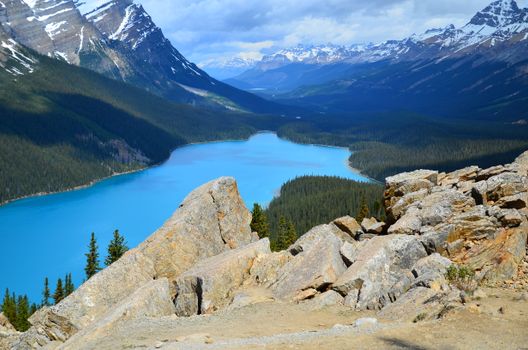
A breathtaking view of Peyto Lake surrounded by the Canadian Rockies in Banff National Park. Photo: Chrissy T / Pexels
Canada, a country of staggering natural beauty and immense geographical diversity, presents a unique challenge and opportunity for first-time visitors. Its sheer size means that experiencing 'all of Canada' in one trip is simply not feasible. Instead, the key to a successful first visit lies in strategic regional planning. The country is broadly divided into several distinct regions, each offering a unique set of attractions, climates, and cultural experiences. Starting with the East Coast, the Maritime Provinces (Nova Scotia, New Brunswick, Prince Edward Island, and Newfoundland and Labrador) offer picturesque coastal towns, fresh seafood, and a rich seafaring history. Think Peggy's Cove lighthouse in Nova Scotia, the Bay of Fundy's dramatic tides in New Brunswick, or the charming red sands of PEI. This region is ideal for those seeking quaint charm, history, and stunning ocean vistas. Moving west, Central Canada is dominated by Ontario and Quebec, home to Canada's largest cities and a significant portion of its population. Toronto, with its multicultural vibrancy, iconic CN Tower, and world-class museums, is a global hub. Just a short drive away, Niagara Falls offers a breathtaking natural wonder. Quebec, on the other hand, provides a distinctly European flavour with its French language and culture. Montreal boasts historic architecture, vibrant arts, and delicious cuisine, while Quebec City, a UNESCO World Heritage site, feels like stepping back in time with its fortified walls and cobblestone streets. This region is perfect for urban explorers, foodies, and those interested in a blend of history and modernity. Venturing further west, the Prairies (Manitoba, Saskatchewan, and Alberta) offer vast open skies, agricultural landscapes, and, in Alberta, the majestic Canadian Rockies. While Manitoba and Saskatchewan are often overlooked, they provide unique opportunities for wildlife viewing, exploring indigenous cultures, and experiencing true Canadian solitude. Alberta, however, is a major draw, primarily for Banff and Jasper National Parks. Here, turquoise lakes, towering snow-capped mountains, and abundant wildlife create an adventurer's paradise. Hiking, skiing, and wildlife photography are popular activities. This region is a must for nature lovers, hikers, and those seeking awe-inspiring landscapes. Finally, the West Coast, primarily British Columbia, offers a milder climate, lush rainforests, and stunning coastal scenery. Vancouver is a vibrant city nestled between mountains and ocean, offering a perfect blend of urban sophistication and outdoor adventure. Victoria, the provincial capital, charms with its British colonial architecture and beautiful gardens. The Okanagan Valley provides excellent wine-tasting opportunities, while Vancouver Island offers whale watching and rugged coastlines. This region caters to outdoor enthusiasts, foodies, and those who appreciate a relaxed, West Coast vibe. For a first-timer, it's often best to pick one or two contiguous regions rather than trying to traverse the entire country. For instance, combining Central Canada (Ontario and Quebec) or focusing solely on the Canadian Rockies and Vancouver allows for a more immersive and less rushed experience. Consider the time of year you plan to visit, as different regions shine in different seasons. Winter in the Rockies is magical for skiing, while summer is ideal for hiking. The East Coast is beautiful in the fall with its vibrant foliage. Researching specific destinations within your chosen region will help you build a cohesive and enjoyable itinerary, ensuring you make the most of your Canadian adventure. Learn more about regional highlights to tailor your perfect trip.

Essential Preparations: Visas, Currency, and Packing for Canadian Travel
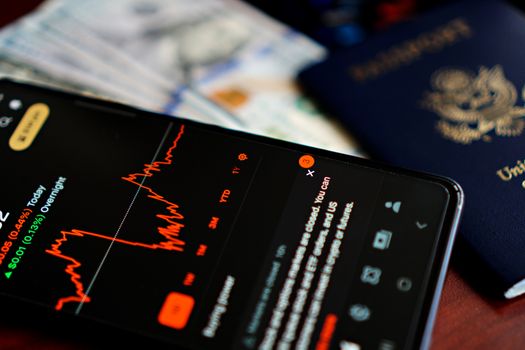
Close-up of a smartphone displaying a stock market app alongside a US passport and currency. Photo: DΛVΞ GΛRCIΛ / Pexels
Before you even think about boarding a plane, meticulous preparation is paramount for a smooth and enjoyable first trip to Canada. Overlooking key details can lead to unnecessary stress and even impact your entry into the country. The first and most critical step is understanding Canada's entry requirements. Most international visitors will need either a visa or an Electronic Travel Authorization (eTA). Citizens of certain visa-exempt countries (like the United States) may only need a valid passport. However, many others will require an eTA, which is an online document linked to your passport and is mandatory for air travel. Ensure your passport is valid for at least six months beyond your intended departure date from Canada. It’s crucial to apply for your eTA or visa well in advance of your travel dates, as processing times can vary, and last-minute applications might lead to delays or denied boarding. Always use the official Government of Canada website for applications to avoid scams. Once your entry documents are sorted, consider travel insurance. While not mandatory, comprehensive travel insurance is highly recommended. Canadian healthcare can be expensive for non-residents, and insurance can cover unexpected medical emergencies, trip cancellations, lost luggage, and other unforeseen circumstances. Read policy details carefully to understand what is covered. Next, let’s talk currency. Canada uses the Canadian dollar (CAD), often referred to as 'loonies' for the $1 coin and 'toonies' for the $2 coin. Credit cards (Visa, MasterCard, American Express) are widely accepted, and debit cards can be used at ATMs for cash withdrawals. It’s wise to carry a small amount of Canadian cash for smaller purchases or places that might not accept cards, especially in more rural areas. Inform your bank of your travel plans to avoid any issues with card usage abroad. Packing for Canada requires careful consideration due to its diverse climates and the potential for rapid weather changes, especially if you plan to visit multiple regions or engage in outdoor activities. The golden rule is layering. Even in summer, evenings can be cool, and mountain weather is notoriously unpredictable. For summer travel (June-August), pack light clothing, but always include a fleece or sweater, a waterproof jacket, and comfortable walking shoes. If you're heading to the Rockies or coastal areas, sturdy hiking shoes are a must. For winter travel (December-March), prepare for cold temperatures, snow, and ice. Essential items include a warm winter coat, waterproof boots, hats, gloves, scarves, and thermal layers. Even in spring and autumn, a waterproof jacket and layers are indispensable. Consider the activities you’ll be doing: swimwear for hot springs, formal wear for a nice dinner, or specific gear for skiing or hiking. Don't forget essentials like power adapters (Canada uses Type A and B sockets, same as the US), a portable charger, and any necessary medications. A refillable water bottle is also a great idea, as Canada has excellent tap water. By taking these essential preparations seriously, you’ll set yourself up for a stress-free and enriching Canadian adventure.

Experiencing Canadian Culture: Food, Festivities, and Local Etiquette

Crispy cheese sticks and loaded poutine served on a rustic outdoor setting. Photo: Lucas Porras / Pexels
Beyond its breathtaking landscapes, Canada offers a rich tapestry of cultural experiences, shaped by its Indigenous heritage, French and British colonial past, and waves of immigration from around the world. For first-timers, immersing yourself in Canadian culture—from its culinary delights to its unique customs—will undoubtedly enhance your trip. Let's start with food, which is often a delicious gateway into a country's identity. While Canada might not have a single, globally recognized cuisine like Italy or France, it boasts a vibrant and diverse food scene. Poutine, a quintessential Quebecois dish of fries, cheese curds, and gravy, is a must-try. Maple syrup products, from candies to butter, are another iconic Canadian treat, especially if you visit during sugaring season in early spring. Don't miss out on fresh seafood, particularly on the coasts, where you can find world-class lobster, salmon, and oysters. In larger cities like Toronto and Vancouver, the multicultural population translates into an incredible array of international cuisines, from authentic Chinese dim sum to vibrant Indian curries. Indigenous cuisine is also gaining recognition, offering unique flavours and a connection to the land. Try bannock (a traditional bread) or dishes featuring game meats like bison or elk where available. Discover more Canadian culinary delights to plan your foodie adventure. Canada is also a country that loves its festivals and celebrations. Depending on the time of year, you might encounter everything from vibrant summer music festivals (like the Montreal Jazz Festival or Calgary Folk Music Festival) to spectacular winter carnivals (such as Quebec City's Carnaval de Québec). Indigenous cultural events, powwows, and traditional gatherings are also held across the country, offering a profound insight into Canada's First Nations, Inuit, and Métis cultures. Check local tourism boards for event listings during your visit. Sporting events are another significant aspect of Canadian culture, with ice hockey being the national winter sport. Attending a live hockey game, whether an NHL match or a local league game, is an exhilarating experience and a true taste of Canadian passion. Beyond hockey, lacrosse is Canada's official summer sport, and curling is a popular winter pastime. Understanding local etiquette will help you navigate social interactions smoothly. Canadians are generally known for being polite, friendly, and somewhat reserved. 'Please' and 'thank you' go a long way, and holding doors for others is common. Tipping is customary in service industries (restaurants, bars, taxis, hair salons) at about 15-20% of the pre-tax bill. When in Quebec, a polite 'Bonjour' or 'Bonsoir' when entering a shop or restaurant is appreciated, even if you follow up in English. While Canada is officially bilingual, English is predominantly spoken outside of Quebec. However, learning a few basic French phrases (like 'Merci' for thank you, or 'Excusez-moi' for excuse me) will be well-received in Quebec. Canadians are generally respectful of personal space, and direct confrontation is rare. Be mindful of noise levels in public spaces and always respect environmental rules, especially in national parks, to protect the natural beauty you've come to see. By embracing these cultural nuances, you'll not only have a more authentic experience but also connect more deeply with the welcoming spirit of Canada.

Top Tips and Common Mistakes for First-Time Canada Visitors
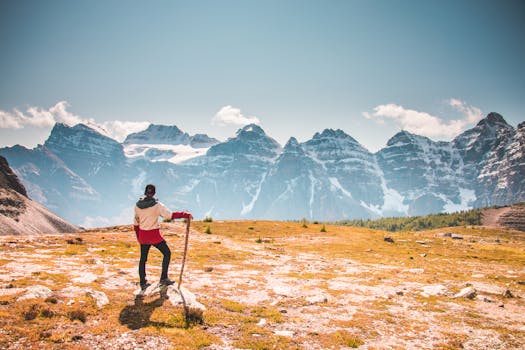
Hiker with a stick overlooking the beautiful Canadian Rockies in Banff National Park. Photo: Jaime Reimer / Pexels
Making the most of your first Canadian journey involves both embracing opportunities and avoiding common pitfalls. Here are some essential tips and mistakes to steer clear of: **Top Tips for a Seamless Trip:** * **Embrace the Size:** Don't try to see everything in one go. Pick one or two regions and explore them thoroughly. Distances between major cities and attractions are vast, so factor in significant travel time. * **Book in Advance:** Especially for popular attractions, accommodations in national parks, and specific train routes (like VIA Rail's The Canadian), booking well ahead can save you money and ensure availability. * **Get a SIM Card:** A local SIM card or an eSIM will make navigation, communication, and access to information much easier. Canadian mobile data can be expensive, so research plans. * **Learn About Tipping:** Tipping 15-20% is standard for good service in restaurants, bars, and taxis. Don't forget to tip tour guides as well. * **Dress in Layers:** Canadian weather is famously unpredictable. Even in summer, temperatures can drop significantly in the evenings or at higher elevations. A waterproof outer layer is always a good idea. * **Stay Hydrated & Sun Protected:** Even on cloudy days, UV rays can be strong, especially in higher altitudes. Always carry water, sunscreen, and sunglasses. * **Carry ID & Important Documents:** Always have a copy of your passport, eTA/visa, and travel insurance details easily accessible, separate from the originals. **Common Mistakes to Avoid:** * **Underestimating Travel Time:** A drive from Toronto to Montreal is 5-6 hours. Vancouver to Calgary is 10-12 hours. Don't cram too much into your itinerary and allow ample time for travel between destinations. * **Ignoring Wildlife Safety:** In national parks, wildlife encounters are possible. Never feed animals, maintain a safe distance, and know what to do if you encounter bears or other large animals. Carry bear spray if hiking in bear country and know how to use it. * **Not Checking Visa/eTA Requirements:** This is a critical mistake that can lead to being denied boarding or entry. Double-check your specific requirements well before your trip. * **Forgetting Travel Insurance:** Medical emergencies can be incredibly expensive in Canada. Travel insurance is a vital safety net. * **Not Bringing an Adapter:** If you're coming from outside North America, you'll need a Type A or B power adapter for your electronics. * **Only Using Credit Cards:** While widely accepted, having some Canadian cash is useful for small purchases, remote areas, or in case of card reader issues. * **Disregarding Seasonal Differences:** Canada experiences distinct seasons. Visiting the Rockies in winter for hiking without proper gear is ill-advised, just as expecting lush green landscapes in the Prairies in late fall might lead to disappointment. Plan your activities according to the season.

Comparison

FeatureBest Option for First-TimersAlternative 1 (Adventure Focus)Alternative 2 (Urban & Culture Focus)
Region FocusCentral Canada (ON/QC)Canadian Rockies (AB/BC)East Coast Maritimes
Primary ActivitiesCity sightseeing, historic sites, Niagara FallsHiking, skiing, wildlife, scenic drivesCoastal drives, seafood, lighthouses
Best Time to VisitSummer/FallSummer (hiking) / Winter (skiing)Summer/Early Fall
Travel StyleMix of city and natureOutdoor adventure, car rentalRelaxed pace, car rental
Typical Duration7-10 days7-10 days5-7 days

What Readers Say

"This Canada travel guide for first timers was an absolute lifesaver! The advice on regional planning helped us choose between the Rockies and the East Coast, making our first trip truly manageable and unforgettable. We felt so prepared."

Sarah J. · London, UK

"The details on visa requirements and packing were spot on. Thanks to this guide, our entry into Canada was seamless, and we packed perfectly for our varied activities. A truly comprehensive Canada travel guide for first timers."

David M. · Sydney, AUS

"We followed the food recommendations and tried poutine, it was amazing! This Canada travel guide for first timers really opened our eyes to the cultural richness beyond the landscapes. Highly recommend reading before you go!"

Maria K. · Berlin, GER

"The guide was very thorough, though I found some of the sections on specific regions could have been slightly more detailed for local attractions. Still, an excellent overall resource for a Canada travel guide for first timers."

Tom L. · Austin, USA

"As a first-time international traveler, the step-by-step preparation advice was invaluable. From getting an eTA to understanding tipping, this Canada travel guide for first timers covered every small detail I worried about."

Chen W. · Shanghai, CHN

Frequently Asked Questions

What is the best time of year for a first-time visit to Canada?

The best time largely depends on what you want to experience. Summer (June-August) is ideal for outdoor activities, city exploration, and warmer weather across most regions. Fall (September-October) offers stunning foliage, especially in Eastern Canada, and pleasant temperatures. Winter (December-March) is perfect for snow sports and festive city experiences, particularly in the Rockies or Quebec.

Is Canada expensive for tourists?

Canada can be moderately expensive, especially in major cities and popular tourist destinations like Banff. Accommodation, dining out, and transportation can add up. However, budgeting and planning can help. Look for deals on flights and hotels, consider cooking some meals if you have kitchen access, and utilize public transport where possible.

How do I get around Canada, especially between cities?

For long distances, flying is often the most practical option due to Canada's vast size. For shorter inter-city travel, particularly in Central and Eastern Canada, trains (VIA Rail) and buses (e.g., Greyhound, Megabus) are available. Renting a car is highly recommended for exploring specific regions like the Rockies or the Maritimes, offering flexibility and access to scenic routes.

What are the visa requirements for visiting Canada?

Visa requirements vary significantly by your country of citizenship. Many visa-exempt countries require an Electronic Travel Authorization (eTA) for air travel, while others need a temporary resident visa. US citizens generally only need a valid passport. Always check the official Government of Canada website (cic.gc.ca) for the most up-to-date and accurate information specific to your nationality well before your trip.

How does Canada compare to the USA for first-time travelers?

While sharing a border, Canada offers a distinct experience from the USA. It's generally perceived as having a more European influence in some areas (especially Quebec), a strong emphasis on politeness, and a different cultural pace. The natural landscapes are equally stunning but often have a more rugged, pristine feel. Healthcare systems and currency are also different. Both offer unique and rewarding travel experiences.

Who should use this Canada travel guide for first timers?

This guide is specifically designed for individuals and groups planning their inaugural trip to Canada. It's perfect for those who need a comprehensive overview of planning, preparation, cultural insights, and practical tips to ensure a smooth, enjoyable, and well-informed first-time Canadian adventure, regardless of their preferred travel style or region of interest.

Is it safe to travel alone in Canada?

Canada is generally considered a very safe country for solo travelers, including women. Major cities are safe, and public transport is reliable. As with any travel, exercise common sense: be aware of your surroundings, avoid walking alone in poorly lit areas at night, and keep valuables secure. In national parks, inform someone of your hiking plans and be aware of wildlife safety.

Will I encounter language barriers outside Quebec?

Outside of Quebec, English is the predominant language across Canada, and you will generally not encounter significant language barriers. In Quebec, French is the official language, but most people in tourist areas, especially in Montreal and Quebec City, are bilingual and can communicate in English. Learning a few basic French phrases can enhance your experience in Quebec but is not strictly necessary.

Ready to explore the majestic beauty and vibrant culture of Canada? Use this comprehensive Canada travel guide for first timers as your essential companion to plan, prepare, and embark on the Canadian adventure of a lifetime, making your inaugural visit truly unforgettable.

Topics: canada travel guide for first timersfirst-time Canada visitor tipsplanning a trip to CanadaCanada travel essentialsCanadian vacation planning
Leo List

IE Escorts NO Escorts US Escorts NZ Escorts AU Escorts
Brampton weed
Adultwork EstrelaBet Vai de Bet R7 Bet Betão Galera Bet Rainbet Bet9ja Shop SportyBet BetKing Sisal Loto Foot Hollywoodbets YesPlay Odibets RushBet Jugabet BetWarrior BetCity MSport betPawa Fortebet