✓ Most international visitors need an eTA or a visitor visa to enter Canada.
✓ The type of travel document required depends on your nationality and mode of travel.
✓ An eTA is for visa-exempt foreign nationals arriving by air.
✓ A visitor visa is for citizens of countries that require a visa to enter Canada.
✓ Processing times can vary significantly, so apply well in advance.
How It Works
1
Determine Your Requirement
Use the official Canadian government tool to check if you need an Electronic Travel Authorization (eTA) or a Temporary Resident Visa (TRV). This step is crucial and depends primarily on your country of citizenship and how you plan to enter Canada.
2
Gather Necessary Documents
Collect all required supporting documents, which typically include a valid passport, proof of funds, a travel itinerary, and potentially an invitation letter. Ensure all documents are current and meet the specified criteria.
3
Complete Your Application
For an eTA, complete the online application form and pay the small fee. For a TRV, complete the detailed application form, pay the fee, and potentially attend a biometrics appointment at a Visa Application Centre (VAC).
4
Await Approval & Prepare
Once submitted, monitor your application status. Upon approval, receive your eTA via email or your TRV sticker in your passport. Review all details, pack your bags, and prepare for your Canadian adventure!
Understanding Canada's Entry Requirements: eTA vs. Visitor Visa
Photo: Nataliya Vaitkevich / Pexels
Planning a trip to Canada is an exciting prospect, but navigating the entry requirements can sometimes feel overwhelming. The first and most critical step for any tourist is to determine whether they need an Electronic Travel Authorization (eTA) or a Temporary Resident Visa (TRV), often simply referred to as a visitor visa. The distinction primarily hinges on your nationality and, to some extent, your mode of arrival in Canada.
An Electronic Travel Authorization (eTA) is a digital travel document that most visa-exempt foreign nationals need when flying to or transiting through Canada by air. This includes citizens from countries like the United Kingdom, France, Germany, Australia, Japan, and many others. It's a relatively simple online application process, typically costing a small fee, and most approvals are granted within minutes. However, it's important to remember that an eTA is electronically linked to your passport and is valid for up to five years or until your passport expires, whichever comes first. It allows for multiple entries into Canada for short stays (usually up to six months per visit) for tourism, business, or transit purposes. If you're from a visa-exempt country but plan to enter Canada by land or sea (e.g., driving from the U.S. or arriving on a cruise ship), you do not need an eTA; you will only need your valid passport and other standard travel documents.
On the other hand, a Temporary Resident Visa (TRV) or visitor visa is required for citizens of countries that are not considered visa-exempt by Canada. This encompasses a significant number of nations globally. The application process for a TRV is generally more involved than for an eTA. It requires submitting a detailed application form, providing a range of supporting documents (such as proof of funds, travel itinerary, and ties to your home country), and often attending a biometrics appointment at a Visa Application Centre (VAC). The processing time for a TRV can vary significantly, from a few weeks to several months, depending on the applicant's country of residence and the volume of applications. A TRV is a physical sticker placed in your passport, allowing you to enter Canada for a temporary stay, usually for up to six months. It's crucial to apply for your TRV well in advance of your intended travel date to avoid any last-minute complications. Understanding which document applies to your situation is the cornerstone of a smooth travel planning process to Canada. Always consult the official Government of Canada website for the most up-to-date and accurate information regarding your specific nationality and travel plans.
Step-by-Step Guide to Applying for Your Canadian Tourist Visa or eTA
Photo: Borys Zaitsev / Pexels
Once you've determined whether you need an eTA or a visitor visa, the next step is the application process itself. While both processes aim to facilitate your entry into Canada, their procedures differ considerably. Let's break down each pathway to ensure you're well-prepared.
For an eTA, the process is streamlined and almost entirely online. You'll need a valid passport from a visa-exempt country, a credit card to pay the CAD $7 fee, and an email address. The application form asks for basic personal information, passport details, and some security questions. It's crucial to accurately fill out every field. Most applicants receive their eTA approval within minutes of submitting their application. The approval is electronically linked to the passport you used to apply, so make sure that passport remains valid for your travel. You won't receive a physical document, but rather an email confirmation. Keep this confirmation for your records. Although approvals are usually quick, it's always advisable to apply a few days before your flight, just in case there are any processing delays or requests for additional information.
Applying for a Temporary Resident Visa (TRV) is a more comprehensive process. First, you'll need to gather a substantial set of documents. This typically includes: a valid passport, two recent passport-sized photos, proof of financial support (bank statements, pay stubs) demonstrating you can support yourself during your stay, a detailed travel itinerary (flight bookings, hotel reservations), and a letter of invitation if you're visiting friends or family. You'll also need to prove your intention to leave Canada at the end of your authorized stay, which can be demonstrated through strong ties to your home country (e.g., employment, property ownership, family responsibilities).
After gathering your documents, you'll complete the online TRV application form on the IRCC (Immigration, Refugees and Citizenship Canada) website. This form is extensive and requires careful attention to detail. You'll also need to pay the application fee (currently CAD $100 for the processing fee, plus CAD $85 for biometrics if required). Once submitted, you'll likely receive instructions to provide your biometrics (fingerprints and a photo) at a designated Visa Application Centre (VAC) in your country. This step is mandatory for most TRV applicants. Processing times for TRVs can vary significantly, from a few weeks to several months, depending on the VAC and the applicant's country of residence. It is paramount to start this process well in advance of your planned travel dates to avoid disappointment. Once approved, a visa sticker will be placed in your passport, indicating your authorization to enter Canada.
Essential Documents and Eligibility Criteria for a Smooth Entry
Photo: DΛVΞ GΛRCIΛ / Pexels
Regardless of whether you're applying for an eTA or a visitor visa, certain fundamental documents and eligibility criteria are universal for all tourists entering Canada. Understanding these requirements thoroughly will significantly smooth your entry process and minimize potential complications at the border. At the core of all applications is a valid passport. Your passport must be valid for the entire duration of your intended stay in Canada. It's generally recommended that your passport has at least six months of validity remaining beyond your planned departure date, although Canada does not strictly enforce this six-month rule for all nationalities, it's a good practice to avoid any issues.
Beyond your passport, you must be able to convince the immigration officer that you have sufficient funds to support yourself and any dependents during your stay in Canada. While there isn't a fixed amount, a general guideline is around CAD $1,000 to CAD $2,000 per month per person, though this can vary based on your planned activities and accommodation. Proof of funds can include bank statements, pay stubs, or a letter from a financial institution. If someone else is financially supporting your trip, you'll need a letter from them and proof of their financial capacity.
Another critical aspect is demonstrating your intent to leave Canada at the end of your authorized stay. This is paramount for proving you are a genuine tourist and not attempting to overstay or immigrate illegally. Evidence of strong ties to your home country is crucial. This can include: proof of employment (a letter from your employer stating your position, salary, and approved leave), property ownership (title deeds, rental agreements), family responsibilities (marriage certificate, birth certificates of dependents), and return flight tickets or onward travel plans. A detailed travel itinerary, including confirmed accommodation bookings, also reinforces your intention for a temporary visit.
Furthermore, you must be in good health. Depending on your country of origin and recent travel history, you might be required to undergo a medical examination. You must also have no criminal or immigration-related convictions. Any past convictions, even minor ones, could render you inadmissible to Canada. It’s always best to be upfront about any such history during your application process, as concealing information can lead to a ban from Canada. Finally, you might be asked to provide an invitation letter from a Canadian resident if you are visiting friends or family. This letter should clearly state the inviter’s contact information, their relationship to you, the purpose and duration of your visit, and confirmation that they will accommodate you. Fulfilling these criteria meticulously will pave the way for a successful application and an enjoyable trip to Canada.
Common Mistakes and Expert Tips for a Successful Canadian Tourist Visa Application
Photo: Leeloo The First / Pexels
Applying for a Canadian tourist visa or eTA, while seemingly straightforward, can be riddled with pitfalls if not approached carefully. Avoiding common mistakes and leveraging expert tips can significantly increase your chances of a successful application.
**Common Mistakes to Avoid:**
* **Incomplete or Inaccurate Information:** This is the most frequent reason for application delays or rejections. Double-check all forms for accuracy and ensure every required field is filled. Even minor discrepancies between your application and supporting documents can raise red flags.
* **Submitting Expired Documents:** Ensure your passport, financial statements, and any other supporting documents are current and valid. An expired passport, for instance, will lead to an immediate rejection.
* **Lack of Proof of Funds:** Failing to provide sufficient and verifiable evidence that you can financially support yourself throughout your stay is a major red flag. Vague statements or insufficient balances are often reasons for denial.
* **No Proof of Intent to Leave:** Immigration officers need to be convinced you will return home. Not providing strong ties to your home country (job, property, family) or return travel plans can lead to rejection.
* **Applying Too Late:** Especially for TRVs, processing times can be extensive. Applying a few weeks before your trip is a recipe for stress and potential disappointment. Always apply several months in advance.
* **Misrepresenting Information:** Any attempt to mislead or provide false information on your application will result in a refusal and could lead to a ban from Canada for several years.
* **Not Understanding eTA vs. TRV:** Confusing these two requirements can lead to applying for the wrong document, which wastes time and money.
**Expert Tips for Success:**
* **Start Early:** Give yourself ample time, especially for TRV applications. This allows for potential delays, requests for additional documents, or biometrics appointments.
* **Organize Your Documents:** Create a checklist and ensure all required documents are neatly organized, clearly labeled, and easily accessible. For online applications, ensure all scans are clear and readable.
* **Write a Strong Letter of Explanation:** If your travel history is sparse, or you have unique circumstances, a concise and honest letter explaining your situation and reiterating your intent to return can be very helpful.
* **Show Strong Ties to Home:** Provide as much evidence as possible of your commitments in your home country – employment letters, property deeds, family responsibilities, and even a letter from your university if you are a student.
* **Detailed Itinerary:** A well-planned itinerary, even if tentative, shows genuine intent to tour and helps paint a clear picture of your visit. Include flight details, accommodation bookings, and planned activities.
* **Consult Official Sources:** Always refer to the official Immigration, Refugees and Citizenship Canada (IRCC) website for the most current information and application forms. Requirements can change.
* **Seek Professional Help (If Needed):** If your case is complex or you’re unsure, consider consulting with a Regulated Canadian Immigration Consultant (RCIC) or a lawyer. They can provide tailored advice and help prepare your application.
* **Be Honest and Consistent:** All information provided in your application and during any interviews must be truthful and consistent across all documents. Honesty builds trust with immigration officials.
Comparison
Feature
eTA (Electronic Travel Authorization)
Temporary Resident Visa (TRV)
Who Needs It?
Visa-exempt foreign nationals (flying to Canada)
Citizens of visa-required countries
Application Method
Online (website)
Online (website) + often in-person biometrics at VAC
Processing Time
Minutes to hours (most cases)
Weeks to several months
Cost (CAD)
~$7
~$100 (application) + ~$85 (biometrics, if applicable)
Document Type
Electronic link to passport
Physical sticker in passport
Validity
Up to 5 years or passport expiry
Typically up to 6 months (can be multi-entry, up to passport expiry)
Entry Mode
Air travel only
Air, land, or sea
What Readers Say
★★★★★
"The guide on visa requirements for Canada tourists was incredibly helpful. I was unsure if I needed an eTA or a full visa, and this article clarified everything perfectly. My eTA was approved in minutes, and I had a fantastic trip to Vancouver!"
Maria S. · Berlin, Germany
★★★★★
"Applying for my Canadian visitor visa felt daunting, but this resource broke down the step-by-step process clearly. The tips on proving ties to my home country were invaluable. I got my visa and am so excited for my Rocky Mountains adventure!"
Carlos R. · São Paulo, Brazil
★★★★★
"Thanks to this detailed guide, I avoided common mistakes when preparing my documents for the Canada tourist visa. The advice on organizing proof of funds and a travel itinerary made my application very strong, leading to a successful approval."
Aisha K. · Dubai, UAE
★★★★★
"The information on eTA requirements was spot-on and easy to understand. While the eTA process itself is simple, having this article confirm the details gave me great peace of mind before my flight to Toronto."
Liam P. · Dublin, Ireland
★★★★★
"This article was a lifesaver for understanding the visa requirements for Canada tourists from a non-visa-exempt country. The comparison table was particularly useful for differentiating between the eTA and TRV processes. Highly recommend!"
Mei L. · Beijing, China
Frequently Asked Questions
What are the primary visa requirements for Canada tourists?
The primary requirements depend on your nationality. Most visa-exempt foreign nationals need an Electronic Travel Authorization (eTA) if arriving by air. Citizens of visa-required countries need a Temporary Resident Visa (TRV), which involves a more extensive application process. Both require a valid passport, proof of sufficient funds, and intent to leave Canada.
I'm from a visa-exempt country. Do I always need an eTA to visit Canada?
If you are from a visa-exempt country and are flying to Canada or transiting through a Canadian airport, you need an eTA. However, if you are entering Canada by land or sea (e.g., driving from the US or arriving on a cruise ship), you only need your valid passport and do not require an eTA.
How do I apply for a Canadian tourist visa (TRV)?
You apply for a TRV online through the IRCC website. The process involves completing a detailed application form, gathering numerous supporting documents (passport, financial proof, itinerary, ties to home country), paying the application fee, and often attending a biometrics appointment at a Visa Application Centre (VAC) in your country of residence.
How much does a Canadian tourist visa or eTA cost?
An eTA costs CAD $7. A Temporary Resident Visa (TRV) generally costs CAD $100 for the processing fee, plus an additional CAD $85 for biometrics if required. These fees are subject to change, so always check the official IRCC website for the latest amounts.
What is the main difference between an eTA and a TRV for Canada?
The main difference lies in who needs them and the application process. An eTA is for visa-exempt nationals arriving by air, is applied for online, and is generally approved quickly. A TRV is for citizens of visa-required countries, involves a more complex application with extensive documentation and biometrics, and has longer processing times. Both grant temporary entry for tourism.
Who should use this guide on visa requirements for Canada tourists?
This guide is for anyone planning a tourist visit to Canada, regardless of their nationality. It is particularly helpful for first-time visitors, those unsure of Canada's entry rules, or individuals seeking to understand the nuances between the eTA and Temporary Resident Visa processes to ensure a smooth application and travel experience.
Is it safe to apply for a Canadian visa online?
Yes, it is safe to apply for a Canadian visa or eTA online, provided you use the official Government of Canada website (Canada.ca/immigration). Be wary of third-party websites that charge excessive fees or promise guaranteed approval, as these are often scams. Always ensure you are on the legitimate IRCC portal.
Are there any future changes expected for Canada's tourist visa requirements?
While specific future changes are hard to predict, Canada continually reviews and updates its immigration and travel policies. Travelers should always check the official Immigration, Refugees and Citizenship Canada (IRCC) website close to their travel dates to ensure they have the most up-to-date information and requirements, as policies can evolve based on global events or security concerns.
Don't let visa complexities deter your Canadian adventure. By understanding the specific visa requirements for Canada tourists and preparing diligently, you can ensure a smooth application process. Start planning your unforgettable trip to Canada today with confidence!

 Photo: Nataliya Vaitkevich / Pexels
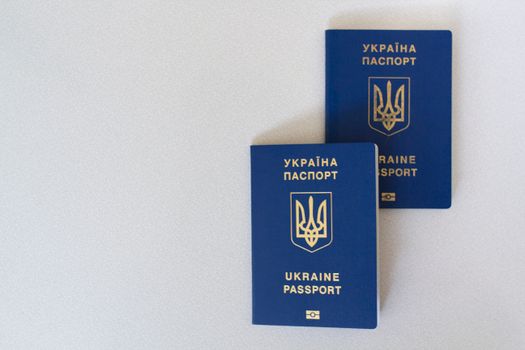 Photo: Borys Zaitsev / Pexels
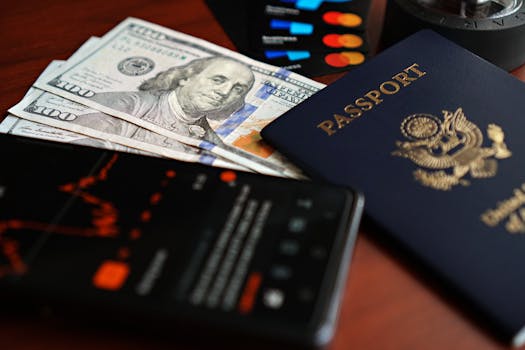 Photo: DΛVΞ GΛRCIΛ / Pexels
 Photo: Leeloo The First / Pexels