Ultimate Guide to Canada National Parks Camping
canada national parks camping

Ultimate Guide to Canada National Parks Camping

Unlock the secrets to an unforgettable wilderness adventure in Canada's pristine national parks, ensuring a seamless and rewarding trip.

Plan Your Adventure

Key Takeaways

  • ✓ Canada has 38 National Parks, 10 National Park Reserves, and 1 National Urban Park, offering diverse camping experiences.
  • ✓ Reservations for popular parks and sites can open as early as January and often fill within minutes.
  • ✓ Camping options range from frontcountry (car camping) to backcountry (wilderness) and oTENTik/yurt accommodations.
  • ✓ A Parks Canada Discovery Pass provides unlimited entry to all national parks for a year, saving money for frequent visitors.

How It Works

1
Choose Your Park & Dates

Research different national parks to find one that matches your desired activities, scenery, and camping style. Select your preferred dates, keeping in mind peak seasons and booking windows.

2
Make Your Reservation

Utilize the Parks Canada Reservation Service online. Be prepared to book promptly when reservation windows open, especially for popular destinations, as spots fill quickly.

3
Prepare Your Gear & Itinerary

Gather all necessary camping equipment, including tent, sleeping bags, cooking supplies, and appropriate clothing. Plan your daily activities, hikes, and local explorations.

4
Enjoy Your Adventure

Arrive at the park, check in at the campground, and immerse yourself in the natural beauty. Follow Leave No Trace principles to preserve the environment for future generations.

Unveiling the Majesty: Why Choose Canada National Parks Camping?
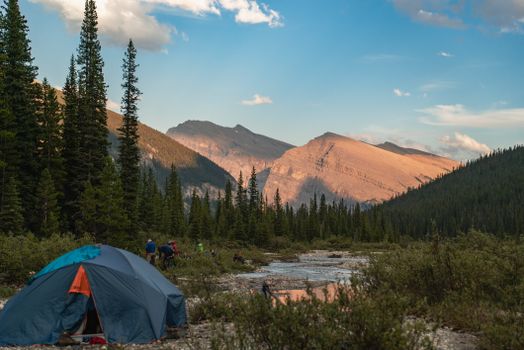
A serene campsite with a blue tent beside a river, surrounded by mountains and coniferous trees. Photo: Benji Scott / Pexels
Canada, a land of vast wilderness and breathtaking landscapes, offers an unparalleled camping experience within its extensive network of National Parks. From the rugged peaks of the Rocky Mountains to the ancient forests of the Pacific coast and the pristine lakes of the boreal shield, each park presents a unique opportunity to connect with nature on a profound level. Choosing Canada National Parks camping isn't just about finding a place to pitch a tent; it's about embarking on an adventure that promises stunning vistas, diverse wildlife encounters, and a chance to truly disconnect from the everyday hustle. These protected areas are meticulously maintained, ensuring that visitors can enjoy unspoiled natural beauty while also contributing to vital conservation efforts. The variety of camping options caters to every preference, whether you're a seasoned backcountry explorer seeking solitude, a family looking for convenient frontcountry amenities, or someone curious to try glamping in an oTENTik. Imagine waking up to the sound of birdsong, sipping coffee as the sun rises over an alpine lake, or spending evenings stargazing under an impossibly dark sky. This is the essence of what awaits you. Beyond the aesthetic appeal, camping in Canada's National Parks offers significant benefits for mental and physical well-being. Studies consistently show that spending time in nature reduces stress, improves mood, and boosts creativity. The physical activity involved in hiking, paddling, or simply setting up camp contributes to a healthier lifestyle. Moreover, these parks are rich in cultural and historical significance, often featuring interpretive programs and visitor centers that deepen understanding of Indigenous heritage and the natural history of the region. Planning your trip requires a little foresight, especially when it comes to securing those coveted campsites during peak season. However, with a bit of preparation and this comprehensive guide, you'll be well-equipped to navigate the reservation system and choose the perfect park for your adventure. Whether you're dreaming of paddling through the serene waters of Georgian Bay Islands National Park or hiking the iconic trails of Banff, the possibilities are endless. The accessibility of these parks, coupled with the high standards of facilities and safety, makes them an ideal choice for both novice and experienced campers. Embrace the call of the wild and discover why Canada National Parks camping is a bucket-list experience for outdoor enthusiasts worldwide. Start planning your journey now and prepare to create memories that will last a lifetime in some of the most spectacular natural settings on Earth. For more inspiration on unforgettable travel destinations, explore our other guides.

Navigating the Options: Types of Camping and Key Parks
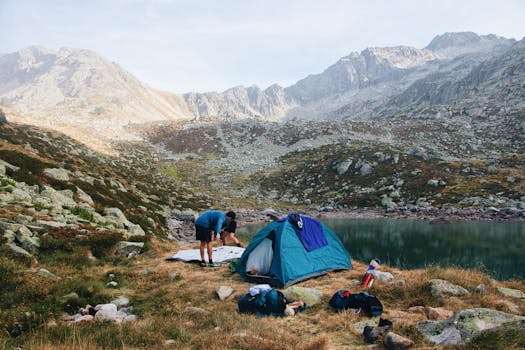
Camping by a serene lake in Barèges, France, surrounded by majestic mountains. Photo: Maël BALLAND / Pexels
The beauty of Canada National Parks camping lies in its incredible diversity of experiences, catering to every level of comfort and adventure. Understanding the different types of camping available is crucial for planning your perfect trip. **Frontcountry Camping (Car Camping):** This is the most popular option, ideal for families, first-time campers, or those who prefer convenience. Frontcountry campgrounds are accessible by vehicle, meaning you can drive right up to your site. They typically offer amenities such as flush toilets, potable water, picnic tables, fire pits, and often showers. Some even have electricity hookups for RVs. Popular frontcountry campgrounds can be found in virtually all national parks, including well-known ones like Banff National Park (Tunnel Mountain Village), Jasper National Park (Whistlers Campground), and Pacific Rim National Park Reserve (Green Point Campground). These sites provide a comfortable base for exploring nearby trails, lakes, and attractions without sacrificing modern conveniences entirely. **Backcountry Camping:** For the more adventurous spirit, backcountry camping offers an immersive wilderness experience. This involves hiking, paddling, or sometimes even horseback riding to remote, designated campsites that are not accessible by vehicle. Amenities are minimal, usually consisting of a tent pad, a bear cache or pole for food storage, and a pit toilet. Campers must be self-sufficient, carrying all their gear, food, and water filtration systems. Backcountry permits are required and often have strict quotas to protect the fragile ecosystems. Iconic backcountry experiences can be had on the West Coast Trail in Pacific Rim, in the remote valleys of Kootenay National Park, or along the extensive trail networks of Waterton Lakes National Park. This option provides unparalleled solitude and a deep connection with nature, far from the crowds. **Equipped Camping & Glamping (oTENTiks, Yurts, etc.):** Parks Canada also offers unique accommodation options that bridge the gap between traditional camping and cabins, often referred to as 'equipped camping' or 'glamping.' oTENTiks, a signature Parks Canada offering, are a cross between a tent and a rustic cabin, providing a comfortable and weatherproof shelter with beds, heating, and sometimes basic furniture. Yurts, similar in concept, offer a round, tent-like structure with amenities. These options are perfect for those who want a camping experience without the need to bring all their own gear, or for those new to camping. You can find oTENTiks in many parks, including Fundy National Park, La Mauricie National Park, and Kejimkujik National Park. They are incredibly popular and often book up even faster than traditional campsites, offering a comfortable and memorable way to experience the parks. **RV Camping:** Many frontcountry campgrounds are designed to accommodate recreational vehicles, from small campervans to large motorhomes. RV sites often come with electrical hookups, and some may offer water and sewer connections. This allows for a more comfortable and self-contained camping experience, perfect for longer trips or those who prefer their home on wheels. Parks like Riding Mountain National Park and Cape Breton Highlands National Park have excellent RV facilities. Regardless of your chosen style, researching specific park regulations, reservation opening dates, and necessary permits well in advance is paramount for a successful Canada National Parks camping adventure.

Mastering the Logistics: Reservations, Permits, and Essential Gear for Canada National Parks Camping
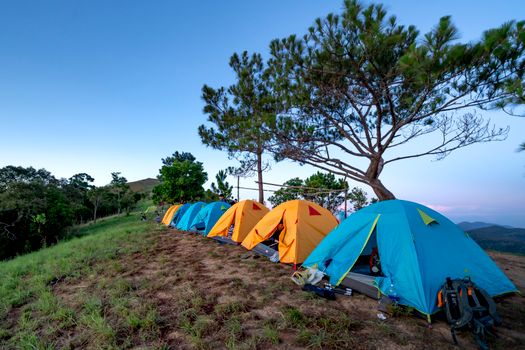
Blue and yellow camping tents located on ground near evergreen trees in mountainous terrain against cloudless sunset sky Photo: Quang Nguyen Vinh / Pexels
A successful Canada National Parks camping trip hinges on meticulous planning, particularly when it comes to reservations, permits, and packing the right gear. The demand for campsites in popular parks, especially during peak season (June to September), is incredibly high. **The Reservation System:** Parks Canada operates a centralized online reservation service. For popular parks like Banff, Jasper, and Pacific Rim, reservation windows typically open in January for the upcoming summer season, sometimes even earlier. These spots can be snatched up within minutes of opening, so it's critical to be prepared. Create an account on the Parks Canada website in advance, know your desired dates, preferred campground, and even specific site numbers if possible. Have multiple backup options ready. It’s often beneficial to practice navigating the reservation system before the official opening day. If you miss the initial booking window, don't despair entirely; cancellations do occur, so regularly checking the reservation site can sometimes yield a last-minute spot. For less popular parks or shoulder seasons, you might find more flexibility. **Permits and Fees:** Beyond the campsite reservation fee, you'll need a park entry pass. A daily pass is available, but if you plan to visit multiple parks or stay for more than seven days, a Parks Canada Discovery Pass is often the most economical choice. This pass provides unlimited entry to all national parks, national historic sites, and national marine conservation areas for one year from the month of purchase. Backcountry camping requires a separate backcountry permit, which is usually obtained in conjunction with your reservation. Always carry your permits and passes with you, as park wardens conduct regular checks. Fire permits are also required for using fire pits in designated areas and can usually be purchased upon arrival at the campground or visitor centre. These permits help Parks Canada manage fire risk and provide firewood. **Essential Gear Checklist:** Packing smart is key to comfort and safety. Here’s a comprehensive list: * **Shelter:** Tent (appropriate for weather), sleeping bags (rated for expected temperatures), sleeping pads, tarp/groundsheet. * **Cooking:** Portable stove, fuel, pots/pans, utensils, cooler, food storage containers (bear-resistant for backcountry), biodegradable soap, sponge, garbage bags. * **Clothing:** Layers are crucial! Waterproof/windproof outer shell, fleece/down jacket, moisture-wicking base layers, hiking pants/shorts, warm hat, gloves, extra socks, sturdy hiking boots. * **Navigation & Safety:** Maps, compass/GPS, headlamp/flashlight with extra batteries, first-aid kit, bear spray (and knowledge on how to use it), whistle, multi-tool, knife, repair kit for tent/gear. * **Personal Items:** Sunscreen, insect repellent, toiletries, quick-dry towel, personal medications. * **Water:** Water bottles/hydration reservoir, water filter/purifier for backcountry. * **Optional but Recommended:** Camp chairs, binoculars, camera, field guides, book, portable power bank. Remember to check the specific weather forecast for your chosen park and adjust your packing list accordingly. Adhering to the Leave No Trace principles is also paramount: pack it in, pack it out; dispose of waste properly; leave what you find; minimize campfire impacts; respect wildlife; and plan ahead and prepare. By understanding the booking process and coming prepared, your Canada National Parks camping experience will be smooth, enjoyable, and truly unforgettable. For more expert travel tips, check out our other resources.

Tips for an Unforgettable Canada National Parks Camping Experience
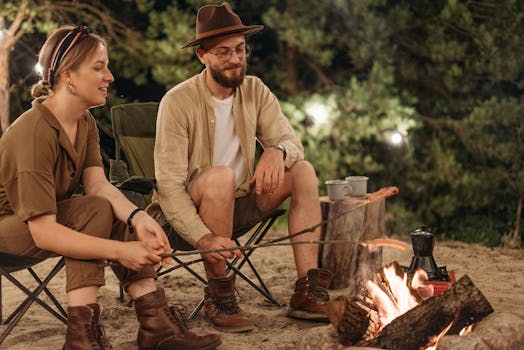
Two adults enjoying a campfire, grilling sausages at a peaceful campsite. Photo: Pavel Danilyuk / Pexels
To truly maximize your Canada National Parks camping adventure, a few insider tips can make all the difference. These insights will help you navigate common challenges, enhance your enjoyment, and ensure you leave with incredible memories. **1. Book Early, Be Flexible:** As mentioned, reservations are critical. If your first choice isn't available, consider visiting during the shoulder seasons (late spring or early fall) for fewer crowds and potentially easier bookings. These seasons often offer unique beauty, like vibrant fall foliage or blooming wildflowers, and milder weather. **2. Embrace the Weather:** Canadian weather can be unpredictable. Pack for all four seasons, even in summer. A sunny morning can quickly turn into a rainy afternoon, or mountain temperatures can drop significantly after sunset. Layers are your best friend. **3. Respect Wildlife:** You are entering their home. Keep a clean campsite, store food properly (in bear-resistant containers or vehicles), and never feed animals. Carry bear spray and know how to use it, especially in bear country. Maintain a safe distance and never approach wildlife for photos. Familiarize yourself with park-specific wildlife guidelines. **4. Leave No Trace:** This ethical framework is vital for preserving the natural beauty of the parks. Pack out everything you pack in, including food scraps. Stay on marked trails, minimize campfire impacts, and respect other visitors. Your actions directly contribute to the longevity of these pristine environments. **5. Explore Beyond Your Campsite:** While your campground might be beautiful, the real magic often lies in the trails, lakes, and viewpoints nearby. Utilize park maps and visitor centers to plan day hikes, scenic drives, and water activities. Don't just stay in your camp chair! **6. Utilize Visitor Centres:** These are invaluable resources. Park staff can provide up-to-date information on trail conditions, wildlife sightings, weather forecasts, and local activities. They can also offer recommendations tailored to your interests and skill level. **7. Unplug and Disconnect:** While some parks may have limited cell service, embrace the opportunity to disconnect from technology. Engage with your surroundings, read a book, play cards, or simply enjoy the peace and quiet. This is one of the greatest gifts of a national park camping trip. **8. Plan for Campfire Restrictions:** During dry periods, fire bans are common. Always check current fire regulations before assuming you can have a campfire. If a ban is in place, bring a portable stove for cooking. **9. Bring Bug Protection:** Mosquitoes and black flies can be prevalent, especially in certain regions and times of year. Pack effective insect repellent, and consider long-sleeved clothing and head nets. **10. Learn Basic Camping Skills:** If new to camping, practice setting up your tent, operating your stove, and packing your gear before you go. This will save you time and frustration at the campsite. By following these tips, your Canada National Parks camping experience will be not just good, but truly unforgettable, allowing you to fully immerse yourself in the natural wonders of this incredible country.

Comparison

FeatureFrontcountry CampingBackcountry CampingoTENTik/Yurt
AccessibilityVehicle access to siteHike/paddle inVehicle access to site
AmenitiesFlush toilets, water, fire pitsMinimal (pit toilet, bear cache)Beds, heating, some furniture
Gear RequiredTent, cooking gear, sleeping gearAll self-contained, lightweightSleeping bags, cooking gear
Solitude LevelLower (more people)High (remote wilderness)Moderate (designated sites)
Booking DifficultyHigh in peak seasonHigh (quota system)Very High
CostModerateLow (permit fees)Higher

What Readers Say

"Our family trip to Banff for Canada National Parks camping was absolutely magical. The reservation process was a bit competitive, but totally worth it for the stunning mountain views and easy access to hiking trails. We loved every minute!"

Sarah J. · Toronto, ON

"I've done backcountry camping in several Canadian National Parks, and the experiences are always incredible. The solitude and raw beauty you encounter, especially in Jasper, make the effort of planning and carrying all your gear completely worth it. Just remember your bear spray!"

Mark D. · Vancouver, BC

"We booked an oTENTik in Fundy National Park for our first Canada National Parks camping experience, and it was perfect! It had beds and heat, so we didn't have to worry about bringing all our gear, making it a super comfortable introduction to camping."

Emily R. · Montreal, QC

"While the frontcountry campsites in Lake Louise were a bit crowded, the access to the trails was unbeatable. Next time, I'd aim for a less popular time of year, but the overall experience of Canada National Parks camping was fantastic."

David L. · Calgary, AB

"As an international traveler, navigating the Canada National Parks camping system seemed daunting, but this guide helped immensely. We ended up with an amazing spot in Pacific Rim National Park Reserve, and the coastal views were unforgettable. Highly recommend!"

Jessica M. · Seattle, WA

Frequently Asked Questions

When is the best time for Canada National Parks camping?

The peak season for Canada National Parks camping is generally from late June to early September, offering the warmest weather and full access to all facilities. However, shoulder seasons (May-June and September-October) can offer fewer crowds, stunning fall colours or spring blossoms, and unique wildlife viewing opportunities, often with cooler temperatures.

Is it difficult to get reservations for Canada National Parks camping?

For popular parks and specific campsites, securing reservations can be very competitive, especially for weekends and holidays during peak season. It's crucial to be online right when the reservation system opens, often in January, and have multiple backup options ready. For less popular parks or off-peak dates, it can be significantly easier.

How do I make a reservation for Canada National Parks camping?

Reservations are primarily made through the Parks Canada Reservation Service website. You'll need to create an account, select your desired park, dates, and camping type (frontcountry, backcountry, oTENTik). Be prepared with your chosen dates and campground preferences, as spots fill quickly.

What are the typical costs associated with Canada National Parks camping?

Costs include a park entry pass (daily or annual Discovery Pass), a campsite reservation fee (which varies by park and site type), and sometimes a fire permit fee. Backcountry camping requires specific permits. Expect to pay anywhere from $20-$40 CAD per night for a basic frontcountry site, plus entry fees.

How does Canada National Parks camping compare to provincial park camping?

Canada National Parks generally offer a higher level of infrastructure, interpretation services, and often protect larger, more iconic landscapes. Provincial parks also offer excellent camping, often with a wider range of activities and sometimes more localized experiences, but national parks are under federal jurisdiction and have a distinct management approach.

Who should consider Canada National Parks camping?

Canada National Parks camping is ideal for anyone seeking an immersive outdoor experience, from families looking for accessible car camping to experienced backpackers craving wilderness solitude. It's perfect for nature lovers, hikers, wildlife enthusiasts, and those looking to disconnect and explore Canada's iconic natural heritage.

What should I do about wildlife safety during Canada National Parks camping?

Wildlife safety is paramount. Always store food in bear-resistant containers or in your vehicle, never feed animals, and maintain a safe distance. Carry bear spray in bear country and know how to use it. Familiarize yourself with park-specific wildlife warnings and follow all guidelines provided by Parks Canada.

Will Canada National Parks camping become even more popular in the future?

Given the increasing global interest in outdoor recreation and nature tourism, Canada National Parks camping is likely to continue growing in popularity. Parks Canada is continually working to balance visitor access with conservation, suggesting that early booking and adherence to regulations will remain crucial for future visitors.

Ready to pitch your tent under the vast Canadian sky? Start planning your Canada National Parks camping adventure today using this comprehensive guide. Immerse yourself in breathtaking landscapes and create memories that will last a lifetime.

Topics: canada national parks campingcamping in Canadanational park reservations Canadabackcountry camping CanadaRV camping Canada
Leo List
Brampton weed
Adultwork