Ultimate Guide to Camping in Ontario Provincial Parks
camping in ontario provincial parks

Ultimate Guide to Camping in Ontario Provincial Parks

Uncover breathtaking natural beauty and create unforgettable memories in Ontario's diverse provincial park campgrounds.

Start Your Adventure

Key Takeaways

  • ✓ Ontario boasts over 330 provincial parks, with more than 100 offering camping.
  • ✓ Reservations are highly recommended, especially for popular parks and long weekends.
  • ✓ Camping options range from car camping and RV sites to backcountry and yurts.
  • ✓ Parks offer diverse activities: hiking, canoeing, swimming, fishing, and wildlife viewing.

How It Works

1
Choose Your Park & Camping Style

Research parks based on desired activities, location, and amenities. Decide between car camping, RV, backcountry, or roofed accommodations like yurts.

2
Book Your Site Early

Use the Ontario Parks reservation system. Popular sites can be booked up to five months in advance, so plan ahead for peak season.

3
Prepare Your Gear

Gather essential camping equipment, including a tent, sleeping bags, cooking supplies, first-aid kit, and appropriate clothing for varying weather.

4
Arrive & Explore

Check in at the park office, set up your camp, and then immerse yourself in the natural beauty and recreational opportunities your chosen park offers.

Discovering the Diversity of Ontario Provincial Parks Camping
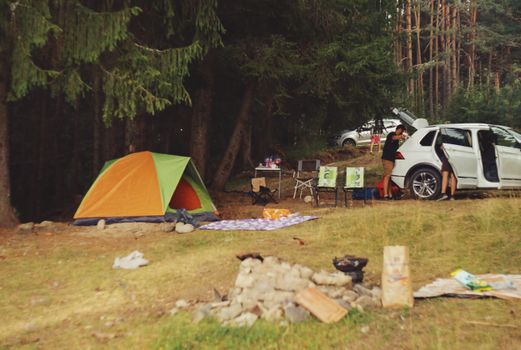
Explore a peaceful camping scene in the forest with a tent, car, and campfire setup. Photo: Simeon Stoilov / Pexels
Ontario's provincial park system is a jewel in Canada's crown, offering an unparalleled array of camping experiences that cater to every type of outdoor enthusiast. From the rugged, ancient landscapes of Northern Ontario to the serene, sandy beaches of the Great Lakes, the sheer diversity is astounding. When planning your trip for camping in Ontario provincial parks, it's essential to understand the different types of experiences available. Car camping remains the most popular choice, providing convenient access to your vehicle, picnic tables, fire pits, and often flush toilets and showers. These sites are ideal for families, first-time campers, or those seeking more creature comforts. Parks like Algonquin, Killbear, and Sandbanks offer exceptional car camping facilities, but their popularity means booking well in advance is crucial. Beyond car camping, many parks offer RV-friendly sites, complete with electrical hookups and sometimes water and sewage services, making them perfect for those who prefer their home on wheels. For the more adventurous, backcountry camping provides a truly immersive wilderness experience, requiring you to hike or paddle to remote, unserviced sites. This option allows for solitude and a profound connection with nature, often found in parks like Killarney or Quetico. It demands careful planning, self-sufficiency, and adherence to Leave No Trace principles. Don't forget about roofed accommodations like yurts, cabins, and even cottages available in select parks. These offer a glamping-style experience, perfect for those who want to enjoy nature without pitching a tent. They come equipped with beds, heating, and sometimes even basic kitchen facilities, bridging the gap between traditional camping and cottage rentals. Each park has its unique character, from the towering old-growth forests of Algonquin to the dramatic cliffs of Lake Superior Provincial Park, ensuring that every camping trip offers a new adventure. Researching specific park features and available amenities is key to finding your perfect outdoor escape. For more general travel tips within Canada, explore our guide on Canadian travel destinations.

Planning Your Perfect Ontario Provincial Park Camping Trip

A woman holds a map while traveling through the scenic desert of California, USA. Photo: Leah Newhouse / Pexels
Successful camping in Ontario provincial parks hinges on meticulous planning. The first step is selecting the right park. Consider what kind of experience you're seeking: do you want to hike challenging trails, paddle tranquil lakes, swim in warm waters, or simply relax by a campfire? Research parks known for these activities. For instance, Algonquin Provincial Park is world-renowned for canoeing and wildlife viewing, while Sandbanks Provincial Park is famous for its vast sand dunes and beaches on Lake Ontario. Killarney Provincial Park offers stunning white quartzite mountains and crystal-clear lakes perfect for serious hikers and canoeists. Once you’ve narrowed down your park choices, the next critical step is making reservations. The Ontario Parks reservation system allows bookings up to five months in advance of your arrival date. For popular parks, prime sites, and long weekends, these spots can be snatched up within minutes of becoming available. Mark your calendar and be ready to book precisely at 7:00 AM EST on the opening day. Beyond the booking, think about your equipment. A reliable tent, comfortable sleeping bags suited for the expected nighttime temperatures (which can drop surprisingly low even in summer), and appropriate sleeping pads are fundamental. Cooking gear, a cooler, a first-aid kit, insect repellent, sun protection, and proper clothing layers are also essential. Check the weather forecast before you leave and pack accordingly. Remember that even in summer, evenings can be cool, and rain is always a possibility. Familiarize yourself with park rules and regulations, including fire bans, food storage requirements (especially in bear country), and waste disposal. Many parks have strict rules about firewood to prevent the spread of invasive species. Buying local firewood or using certified heat-treated wood is often required. Creating a detailed packing list and meal plan will alleviate stress and ensure you have everything you need for an enjoyable and safe trip. Don't forget a map of the park and a compass or GPS, especially if you plan on exploring trails or backcountry routes, as cell service can be spotty in many remote areas.

Essential Gear and Safety for Your Ontario Camping Adventure
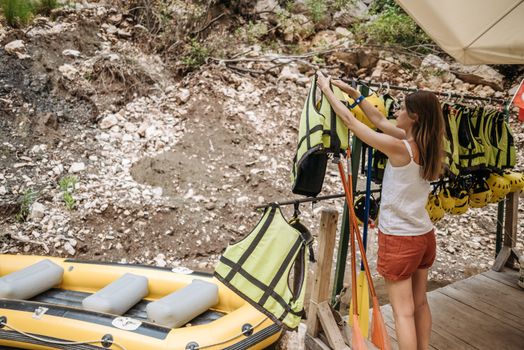
A woman arranges life jackets by a kayak, preparing for a summer adventure outdoors. Photo: Pavel Danilyuk / Pexels
Embarking on a camping adventure in Ontario Provincial Parks requires more than just a tent; it demands thoughtful preparation of essential gear and a strong understanding of safety protocols. Your gear list will vary slightly depending on your chosen camping style (car, RV, or backcountry), but some core items are universal. A sturdy, waterproof tent appropriate for the number of occupants and potential weather conditions is paramount. Investing in quality sleeping bags rated for the expected temperatures, along with insulating sleeping pads, will ensure a comfortable night's rest. For cooking, a portable stove with fuel, pots, pans, utensils, and a cooler for food storage are necessary. Don't forget a reliable water filter or purification tablets if you're not relying on potable water sources. Lighting, such as headlamps and lanterns, is crucial for navigating after dark. Safety is paramount in the wilderness. Always carry a well-stocked first-aid kit and know how to use its contents. Inform someone of your itinerary, especially if you're venturing into the backcountry. Be aware of local wildlife, particularly bears. Food should always be stored in bear-resistant containers or hung from a tree, away from your campsite. Never feed wildlife. Familiarize yourself with park-specific regulations regarding campfires; fire bans are common during dry periods. Always have water or a shovel nearby to extinguish fires completely. Weather can change rapidly in Ontario; pack layers of clothing, including waterproof outerwear, even in summer. Hypothermia can occur in surprisingly mild temperatures if you get wet and cold. Navigation tools like a map and compass (and knowing how to use them) or a GPS device are vital, as cell service is often unreliable. Understanding basic wilderness first aid and carrying a whistle for emergencies are also highly recommended. Before you leave, check the Ontario Parks website for any park-specific alerts or advisories. For broader Canadian travel safety, review our guide to safe travel in Canada.

Tips for a Smooth Camping Experience and Common Mistakes to Avoid

Explore a peaceful camping scene in the forest with a tent, car, and campfire setup. Photo: Simeon Stoilov / Pexels
Ensuring a smooth and enjoyable camping experience in Ontario Provincial Parks involves a few key tips and a conscious effort to avoid common pitfalls. Firstly, *pack light but smart*. Overpacking leads to unnecessary clutter and effort, especially if you're moving gear. Conversely, underpacking essentials like extra layers or a first-aid kit can lead to discomfort or danger. *Arrive at your campsite well before dark*. Setting up a tent and organizing your site in daylight is far less stressful and safer. *Respect park rules and fellow campers*. Noise curfews, pet regulations, and fire restrictions are in place for everyone's enjoyment and safety. Be a good neighbor. Here are some common mistakes to avoid: * **Not booking in advance:** This is the number one reason people miss out on their desired spots. Popular parks and dates book up months ahead. * **Ignoring weather forecasts:** Ontario weather is unpredictable. Not packing for rain or sudden temperature drops can ruin a trip. * **Poor food storage:** Leaving food out attracts wildlife and can lead to dangerous encounters. Use coolers, bear-resistant containers, or hang food properly. * **Bringing uncertified firewood:** This can introduce invasive species like the Emerald Ash Borer. Buy local or certified heat-treated wood. * **Leaving a messy site:** Always pack out everything you pack in. Leave no trace of your visit, ensuring the park remains pristine for others. * **Underestimating wildlife:** While exciting, wildlife should be observed from a distance. Never approach or feed animals. * **Not checking for fire bans:** A forgotten campfire can quickly escalate into a devastating forest fire. Always check current conditions. * **Forgetting insect repellent:** Mosquitoes and black flies can be relentless, especially in late spring and early summer. Don't underestimate them! By following these tips and avoiding these common errors, your camping trip in an Ontario Provincial Park will be much more enjoyable and memorable.

Comparison

FeatureAlgonquin Provincial ParkSandbanks Provincial ParkKillarney Provincial Park
Primary ActivityCanoeing, Wildlife ViewingBeach, SwimmingHiking, Paddling
Best ForExperienced campers, nature loversFamilies, beachgoersBackcountry adventurers
Booking DifficultyHighVery HighHigh
Car Camping
Backcountry Camping
Yurts/Cabins
Showers/Flush Toilets✓ (select campgrounds)✓ (select campgrounds)
Cell ServiceLimitedGoodLimited

What Readers Say

"Our family trip to Killbear Provincial Park for camping was absolutely perfect. The sites were spacious, the beaches were beautiful, and the sunsets over Georgian Bay were unforgettable. We've already booked for next year!"

Sarah L. · Toronto, ON

"I've been camping in Ontario Provincial Parks for years, and Algonquin never disappoints. The backcountry canoe routes offer incredible solitude and wildlife viewing opportunities. Saw a moose this past summer, which was a highlight!"

Mark R. · Ottawa, ON

"Sandbanks Provincial Park was a dream for our beach vacation. The dunes are spectacular, and the water is so clear. Getting a reservation was tough, but totally worth it for the incredible family memories we made."

Jessica M. · London, ON

"Killarney Provincial Park offers some of the most stunning landscapes in Ontario. The hiking trails were challenging but rewarding. My only minor gripe was the limited cell service, but that's also part of the appeal for getting away from it all."

David K. · Hamilton, ON

"We tried a yurt at Silent Lake Provincial Park for the first time, and it was fantastic! All the comforts of home with the immersion of nature. Perfect for a quick weekend getaway without all the tent setup."

Emily S. · North Bay, ON

Frequently Asked Questions

What is the best time of year for camping in Ontario Provincial Parks?

The best time largely depends on your preferences. Summer (July-August) offers the warmest weather for swimming and most activities, but parks are busiest. Spring (May-June) provides lush greenery and fewer crowds, though bugs can be prevalent. Fall (September-October) brings stunning fall colours and cooler, crisp air, ideal for hiking, with fewer insects and campers.

Are campfires allowed in Ontario Provincial Parks?

Campfires are generally allowed in designated fire pits within campsites, but regulations can change. Always check for fire bans, especially during dry periods, by visiting the Ontario Parks website or checking park notices upon arrival. Use only local or certified heat-treated firewood to prevent the spread of invasive species.

How do I make a reservation for camping in Ontario Provincial Parks?

Reservations can be made online through the Ontario Parks website (reservations.ontarioparks.com) or by phone. You can book up to five months in advance of your arrival date. It's highly recommended to book as soon as possible, especially for popular parks, specific sites, or long weekends, as they fill up quickly.

How much does it cost to go camping in Ontario Provincial Parks?

The cost varies depending on the park, type of campsite (e.g., car camping, electrical, backcountry), time of year, and duration of your stay. Car camping sites typically range from $40-$60 per night. Backcountry permits are generally less expensive, around $10-$15 per person per night. There may also be additional fees for day use, extra vehicles, or specific amenities.

What are the alternatives if I can't get a reservation at a popular Ontario Provincial Park?

If your first choice is booked, consider less-known provincial parks or private campgrounds in the area. Often, there are cancellation spots that become available, so keep checking the reservation system. You could also try visiting during off-peak seasons (late spring, early fall) or on weekdays for better availability.

Who should consider camping in Ontario Provincial Parks?

Camping in Ontario Provincial Parks is ideal for anyone looking to connect with nature, from families seeking a fun outdoor vacation to solo adventurers desiring solitude. It caters to all levels of experience, from first-time campers using roofed accommodations to seasoned backcountry enthusiasts seeking remote wilderness experiences. It's perfect for hikers, paddlers, swimmers, anglers, and wildlife observers.

What should I do if I encounter wildlife while camping?

Maintain a respectful distance and never feed wildlife. Store all food and scented items securely in your vehicle or bear-resistant containers. If you encounter a bear, make noise, make yourself look big, and slowly back away. Carry bear spray if in bear country and know how to use it. Report any aggressive wildlife encounters to park staff immediately.

Are there any new trends in camping in Ontario Provincial Parks?

Yes, there's a growing trend towards 'glamping' with increased availability of yurts, cabins, and even eco-lodges, providing more comfortable stays. Technology integration, like online interactive park maps and improved reservation systems, is also evolving. There's also a rising interest in responsible and sustainable camping practices, emphasizing Leave No Trace principles and eco-tourism.

Ready to experience the unparalleled beauty and adventure that awaits? Start planning your unforgettable camping in Ontario Provincial Parks trip today. Book your perfect site and immerse yourself in the natural wonders of Canada's most beloved outdoor destinations.

Topics: camping in ontario provincial parksOntario camping guidereserve Ontario parksbest Ontario campgroundsOntario backcountry camping
Leo List

IE Escorts NO Escorts US Escorts NZ Escorts AU Escorts
Brampton weed
Adultwork EstrelaBet Vai de Bet R7 Bet Betão Galera Bet Rainbet Bet9ja Shop SportyBet BetKing Sisal Loto Foot Hollywoodbets YesPlay Odibets RushBet Jugabet BetWarrior BetCity MSport betPawa Fortebet