Your Ultimate Guide to Camping in Ontario Provincial Parks
camping in ontario provincial parks

Your Ultimate Guide to Camping in Ontario Provincial Parks

Unlock Ontario's natural beauty with comprehensive guidance for your next provincial park camping trip.

Start Your Adventure

Key Takeaways

  • ✓ Ontario boasts over 340 provincial parks, with 100+ offering camping opportunities.
  • ✓ Reservations are highly recommended, especially for popular parks and peak season dates.
  • ✓ Activities range from hiking and swimming to canoeing, fishing, and wildlife viewing.
  • ✓ Camping options include car camping, backcountry, yurts, cabins, and even glamping.

How It Works

1
Choose Your Park & Season

Research different parks based on desired activities, location, and amenities. Consider the season for varying experiences, from summer warmth to fall foliage.

2
Select Your Campsite Type

Decide between car camping, backcountry, or roofed accommodations like yurts. Each offers a distinct level of comfort and wilderness immersion.

3
Make Reservations Promptly

Book your site well in advance, as popular spots fill up quickly. Utilize the Ontario Parks reservation system for ease and reliability.

4
Prepare Your Gear & Plan

Gather appropriate camping gear, food, and clothing for your chosen park and season. Familiarize yourself with park rules and trail maps before arrival.

Unveiling the Diversity of Ontario Parks Camping Experiences
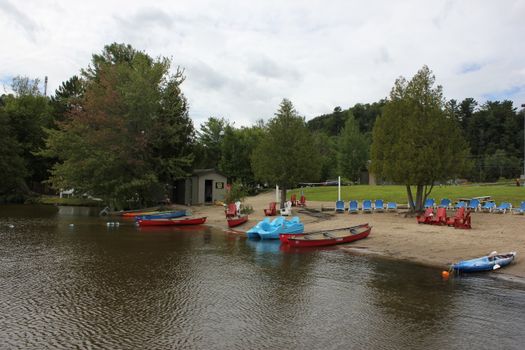
Lakeside beach in Huntsville, Ontario with canoes and trees, perfect for a summer day. Photo: Alex Ohan / Pexels
Ontario Provincial Parks offer an unparalleled diversity of camping experiences, catering to every type of outdoor enthusiast. From the rugged shores of Lake Superior to the tranquil forests of Algonquin, each park presents a unique ecological tapestry and a distinct set of adventures. Understanding this diversity is the first step to planning your perfect trip. Are you a family seeking accessible amenities and sandy beaches? Perhaps you're an avid paddler yearning for multi-day backcountry excursions through pristine waterways. Or maybe you're a nature photographer hoping to capture the vibrant fall colours against a backdrop of ancient Canadian Shield. Ontario's provincial parks deliver on all fronts. Car camping, the most popular option, provides convenient access to your vehicle, making it ideal for families and those new to camping. These sites often come equipped with picnic tables and fire pits, and are usually close to comfort stations with flush toilets and showers. Parks like Killbear Provincial Park, known for its beautiful Georgian Bay shoreline and iconic windswept pines, or Sandbanks Provincial Park, famous for its massive dunes and sandy beaches on Lake Ontario, are prime examples of car camping paradises. These parks often feature extensive trail networks for hiking and biking, designated swimming areas, and sometimes even interpretive programs led by park naturalists. The ease of access and array of activities make them perfect for a relaxing getaway. For those craving a deeper immersion into the wilderness, backcountry camping in Ontario Provincial Parks is an unforgettable journey. This involves hiking or paddling to remote, undeveloped campsites, carrying all your gear with you. Algonquin Provincial Park, a world-renowned destination for canoe tripping, offers thousands of kilometres of canoe routes and portages, leading to secluded campsites accessible only by water. Killarney Provincial Park, with its stunning white quartzite hills and sapphire lakes, provides challenging but rewarding hiking trails to backcountry sites. These experiences require more preparation and self-sufficiency but reward campers with unparalleled solitude, breathtaking scenery, and incredible wildlife viewing opportunities. Imagine waking up to the call of a loon on a glassy lake, or spotting a moose grazing in a marsh at dawn – these are the moments that define backcountry camping. Beyond traditional tenting, many parks offer roofed accommodations such as yurts, cabins, and even cottages. These options provide a comfortable glamping experience, perfect for those who want to enjoy nature without fully roughing it. Yurts, circular tent-like structures, often come with beds, heating, and lighting, offering a cozy retreat after a day of exploration. Parks like Silent Lake Provincial Park or MacGregor Point Provincial Park are excellent choices for yurt camping, providing a comfortable base to explore their surroundings. These accommodations are particularly popular in cooler shoulder seasons, allowing campers to extend their outdoor adventures beyond the traditional summer months. No matter your preference, Ontario's vast network of parks has a camping style that’s perfectly suited for you, promising an escape into nature that revitalizes the spirit.

Navigating Reservations and Planning Your Ontario Parks Adventure

A serene train ride setup with a world map, mug, and hat on a table, suggesting travel plans. Photo: Diana Smykova / Pexels
Successfully planning your camping trip in Ontario Provincial Parks hinges significantly on understanding the reservation system and timing. Popular parks, especially during peak season (July and August) and long weekends, can book up within minutes of the reservation window opening. The Ontario Parks reservation system allows bookings up to five months in advance, and for highly sought-after sites, it's crucial to be online and ready precisely when your desired dates become available. This foresight can be the difference between securing your dream spot and settling for a less ideal alternative, or even missing out entirely. The reservation website is user-friendly, allowing you to search by park, date, campsite type (electrical, non-electrical, waterfront, pet-friendly), and even specific site features. It's advisable to create an account beforehand and familiarize yourself with the interface. Have a few backup dates and parks in mind, as flexibility can greatly increase your chances of success. For those who miss the initial booking window, don't despair entirely. Cancellations do occur, and checking the reservation system regularly, particularly closer to your desired dates, can sometimes yield a last-minute opening. Some parks also offer a limited number of first-come, first-served sites, though relying on these is a gamble, especially during busy periods. Beyond the reservation itself, thorough planning of your itinerary is key to a smooth and enjoyable trip. Research the specific park you're visiting: what activities are available? Are there hiking trails, canoe rentals, swimming areas, or interpretive programs? Check the park's website for operating hours, facility availability, and any specific rules or advisories. For instance, some parks have strict regulations regarding food storage to prevent wildlife encounters, while others might have fire bans in effect during dry periods. Packing lists should be tailored to the season and the type of camping you're doing. Essential items typically include a tent, sleeping bags, cooking gear, first-aid kit, appropriate clothing layers, and plenty of water. Don't forget bug repellent, especially for spring and early summer trips. Consider the logistical aspects of your trip: how far is the drive? Where will you purchase groceries and supplies? Are there potable water sources at your campsite? For backcountry trips, map reading skills, a compass or GPS, and knowledge of Leave No Trace principles are paramount. Ensure you inform someone of your itinerary and expected return time. Planning also involves budgeting for park fees, which include daily vehicle permits or camping fees, and potentially rental costs for canoes or other equipment. While a spontaneous adventure has its charm, a well-planned trip to camping in Ontario Provincial Parks ensures a relaxing and rewarding experience, allowing you to fully immerse yourself in the natural beauty without unnecessary stress. Remember that preparation is not just about logistics, but about fostering a mindset of respect for nature and readiness for its unpredictable wonders.

Essential Gear and Tips for a Successful Camping in Ontario Provincial Parks
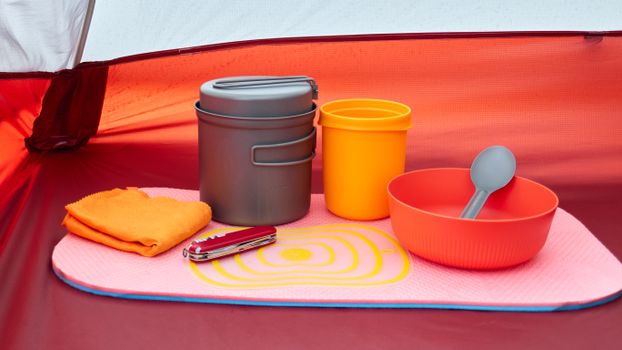
Colorful camping cookware and utensils arranged neatly inside a tent. Photo: Mykhailo Petrushchak / Pexels
Embarking on a camping adventure in Ontario Provincial Parks requires more than just a reservation; it demands thoughtful preparation and the right gear. The Canadian wilderness, while beautiful, can be unpredictable, making a well-packed kit crucial for comfort and safety. For car camping, prioritize a sturdy, weather-appropriate tent. Ontario's weather can shift rapidly, so a tent with good rainfly coverage is essential. Sleeping bags should be rated for the lowest expected night temperatures, even in summer, as nights can be surprisingly cool. A comfortable sleeping pad or air mattress will greatly enhance your rest, and don't forget pillows! Cooking gear is another cornerstone of a great camping trip. A portable stove, fuel, pots, pans, utensils, and a cooler for perishables are must-haves. Many campsites have fire pits with grates, but a small stove offers flexibility. Always bring a reliable water source or purification system, even if potable water is available, as backup is always wise. Lighting, such as headlamps and lanterns, is critical for navigating after dark. A comprehensive first-aid kit, insect repellent, sunscreen, and a multi-tool are non-negotiables for any outdoor excursion. Layers of clothing are key – pack for warm days, cool evenings, and potential rain. Quick-drying fabrics are always a good choice. For backcountry camping, gear choices become even more critical, as every item must be carried. Lightweight and compact are the guiding principles. Ultralight tents, sleeping bags, and cooking systems are preferred. Food should be non-perishable, high in calories, and require minimal cooking, such as dehydrated meals. Navigation tools like a map, compass, and GPS device are absolutely essential, along with the skills to use them. A water filter or purification tablets are vital, as you'll be relying on natural water sources. Bear-resistant food containers or methods for hanging food are required in many backcountry areas to protect both your provisions and wildlife. Beyond gear, adopting smart camping practices ensures a more enjoyable and sustainable trip. Always adhere to the Leave No Trace principles: pack out everything you pack in, dispose of waste properly, minimize campfire impacts, respect wildlife, and leave what you find. This helps preserve the pristine beauty of the parks for future generations. Check for fire bans before you go and always ensure your campfire is completely extinguished. Be mindful of wildlife; store food securely and keep a clean campsite to avoid attracting animals. Familiarize yourself with park rules regarding pets, noise, and specific activities. Lastly, always inform someone of your itinerary, especially for backcountry trips, and carry a form of communication like a satellite messenger if you're venturing into areas without cell service. By combining the right gear with responsible practices, your camping in Ontario Provincial Parks experience will be safe, comfortable, and truly unforgettable.

Common Mistakes to Avoid While Camping in Ontario Provincial Parks
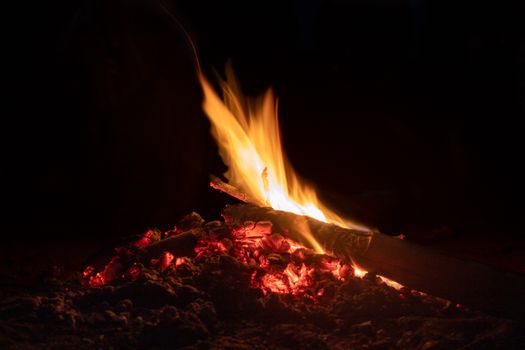
A close-up shot of a campfire with glowing embers, flickering flames set against a dark night backdrop. Photo: Renzo Tirado / Pexels
Even experienced campers can fall prey to common pitfalls when venturing into Ontario Provincial Parks. Avoiding these mistakes can significantly enhance your trip's enjoyment and safety. Here are some key errors to sidestep: * **Underestimating Reservation Demand:** This is perhaps the most frequent mistake. Waiting until the last minute to book a site, especially for popular parks like Algonquin, Killarney, or Sandbanks during peak season, almost guarantees disappointment. Reservations open five months in advance; set a reminder and book early. Flexibility with dates and choosing shoulder seasons (late spring, early fall) can increase your chances. * **Ignoring Weather Forecasts:** Ontario weather is notoriously fickle. A sunny morning can quickly turn into a cold, rainy afternoon. Failing to check the forecast and pack accordingly (layers, rain gear) can lead to discomfort, or worse, hypothermia. Always pack for all four seasons, even in summer. * **Inadequate Bug Protection:** Black flies and mosquitoes are an undeniable part of the Ontario wilderness, particularly in late spring and early summer. Neglecting to bring effective insect repellent, bug nets, and appropriate clothing can turn a pleasant trip into a constant battle against bites. Consider treating clothing with permethrin for added protection. * **Disregarding Food Storage Rules:** Improper food storage is a primary cause of human-wildlife conflicts. Leaving food, scented toiletries, or garbage out attracts bears and other animals, posing a danger to both campers and wildlife. Always use bear-resistant containers or hang food from trees in backcountry areas, and store all scented items in your vehicle or designated lockers at car camping sites. * **Over-packing or Under-packing:** For car camping, over-packing can lead to a cluttered campsite and unnecessary hauling. For backcountry, under-packing essential safety gear or over-packing non-essentials can be dangerous and exhausting. Create a detailed packing list and stick to it, prioritizing essentials and multi-use items. * **Not Researching Park-Specific Rules:** Each provincial park has its own unique set of regulations regarding campfires, pet restrictions, alcohol consumption, and water access. Assuming a one-size-fits-all approach can lead to fines or conflict with park staff. Always check the specific park's website before your visit. * **Lack of Fire Safety Awareness:** Campfires are a quintessential camping experience, but they can also be dangerous. Failing to check for fire bans, building fires too large, or not properly extinguishing them are serious mistakes. Always have water nearby, keep fires contained, and ensure coals are cold to the touch before leaving your site. * **Leaving No Trace Principles:** Not adhering to Leave No Trace is not only disrespectful but can also harm the environment. This includes leaving garbage behind, trampling vegetation, disturbing wildlife, or creating new trails. The goal is to leave your campsite cleaner than you found it. By being mindful of these common errors, your experience camping in Ontario Provincial Parks will be significantly smoother, safer, and more enjoyable, allowing you to fully immerse yourself in the natural beauty around you.

Comparison

FeatureCar CampingBackcountry CampingYurt/Cabin CampingGlamping (Private)
AccessibilityVery AccessibleChallengingModerately AccessibleVery Accessible
Comfort LevelHighLowVery HighLuxury
PrivacyModerateHighModerateHigh
Equipment NeededExtensive (tent, cooker)Minimal (ultralight gear)Minimal (linens, food)Very Minimal
Cost (per night)ModerateLowHighVery High
Reservations

What Readers Say

"Our family trip camping in Algonquin Provincial Park was magical. The canoe routes were stunning, and we saw so much wildlife. Booking our site 5 months in advance was crucial!"

Sarah L. · Toronto, ON

"We've been camping in Ontario Provincial Parks for years, and Killarney never disappoints. The hiking trails are challenging but the views are absolutely worth it. Highly recommend the backcountry sites."

Mark D. · Ottawa, ON

"Our first time trying a yurt at Silent Lake Provincial Park was a huge success. It was so cozy and warm, even in October! We hiked, cooked over the fire, and got some much-needed relaxation."

Jessica M. · London, ON

"Sandbanks Provincial Park is fantastic for its beaches, though the campsites can feel a bit close together. Still, the kids loved the dunes, and we had a great time swimming and building sandcastles."

David P. · Mississauga, ON

"As a solo female camper, I felt incredibly safe and supported camping in Killbear Provincial Park. The facilities were clean, and the staff were very friendly. It was the perfect escape."

Emily R. · Burlington, ON

Frequently Asked Questions

What are the best provincial parks for camping in Ontario?

The 'best' park depends on your preferences. Algonquin Provincial Park is renowned for backcountry canoe tripping and wildlife. Killbear Provincial Park offers stunning Georgian Bay scenery and car camping. Killarney Provincial Park features majestic white quartzite hills for hikers, and Sandbanks Provincial Park is famous for its beaches. For a quieter experience, consider smaller parks like Silent Lake or Awenda.

How far in advance should I book my campsite in Ontario Provincial Parks?

You can book campsites up to five months in advance. For popular parks, especially during July, August, and long weekends, it is highly recommended to book precisely when the reservation window opens, as sites can fill within minutes. For less popular times or parks, a few weeks or months in advance may suffice, but earlier is always safer.

What types of camping are available in Ontario Provincial Parks?

Ontario Provincial Parks offer a variety of camping options including: car camping (drive-up sites with amenities), backcountry camping (remote sites accessible by hike or paddle), roofed accommodations (yurts, cabins, cottages), and even group camping. Some parks also have seasonal or rustic sites.

How much does it cost to camp in Ontario Provincial Parks?

Camping fees vary significantly based on the park, campsite type (e.g., electrical, non-electrical, waterfront), and season. Car camping sites typically range from $40-$70 per night, while backcountry permits are generally $12-$15 per person per night. Roofed accommodations are usually $90-$150+ per night. A daily vehicle permit (around $12-$21) may also be required if not camping overnight.

Is backcountry camping safe in Ontario Provincial Parks?

Backcountry camping can be very safe with proper planning and preparation. It requires self-sufficiency, navigation skills, and adherence to Leave No Trace principles. Always inform someone of your itinerary, carry appropriate safety gear (first-aid, navigation tools), and be aware of wildlife. Park staff are available for emergencies, but response times can be slow in remote areas.

Who should consider camping in Ontario Provincial Parks?

Anyone looking to connect with nature, from families seeking accessible outdoor fun to seasoned adventurers craving wilderness solitude, will find something suitable. It's ideal for hikers, paddlers, swimmers, wildlife enthusiasts, photographers, and those simply wanting a peaceful escape from urban life.

What should I do if I encounter wildlife while camping?

Always maintain a safe distance and never feed wildlife. Store all food and scented items securely in your vehicle or bear-resistant containers. If you encounter a bear, make noise, make yourself look big, and slowly back away. Carry bear spray if in known bear country. Report any aggressive wildlife encounters to park staff immediately.

Are there any apps or resources to help plan my Ontario Parks camping trip?

The official Ontario Parks website (www.ontarioparks.com) is the primary resource for reservations, park information, and rules. There are also third-party apps like 'The Dyrt' or 'iOverlander' that provide user-generated reviews and information, though always cross-reference with official park sites for accuracy. Maps, weather apps, and compass apps are also useful tools.

Ready to experience the unparalleled beauty and adventure of camping in Ontario Provincial Parks? Start planning your perfect outdoor escape today. With the right preparation and knowledge, your next wilderness journey awaits, promising memories that will last a lifetime.

Topics: camping in ontario provincial parksOntario parks campingprovincial park reservations Ontariobest Ontario campgroundswilderness camping Ontario
Leo List

IE Escorts NO Escorts US Escorts NZ Escorts AU Escorts
Brampton weed
Adultwork EstrelaBet Vai de Bet R7 Bet Betão Galera Bet Rainbet Bet9ja Shop SportyBet BetKing Sisal Loto Foot Hollywoodbets YesPlay Odibets RushBet Jugabet BetWarrior BetCity MSport betPawa Fortebet