✓ Canada's wilderness demands specific gear due to vast climate variations.
✓ Layering is crucial for comfort and safety in fluctuating temperatures.
✓ Bear safety equipment is non-negotiable in many Canadian regions.
✓ Water purification is essential, as potable water sources can be limited or contaminated.
How It Works
1
Assess Your Trip
Determine the duration, season, and specific region of your Canadian wilderness adventure. This dictates the type and quantity of gear required, from ultra-light backpacking to car camping.
2
Prioritize Core Essentials
Focus on the 'Big Three': shelter, sleep system, and backpack, ensuring they are suitable for Canadian conditions. These items form the foundation of your comfort and safety in the backcountry.
3
Consider Environmental Factors
Account for potential rain, cold, insects, and wildlife by selecting appropriate clothing, bug protection, and bear-resistant containers. Canadian weather can be unpredictable, so preparedness is key.
4
Test and Pack Smart
Test all new gear before your trip to ensure functionality and comfort. Pack efficiently, distributing weight evenly and keeping essential items easily accessible for convenience and safety.
The Big Three: Shelter, Sleep System, and Backpack for Canadian Backcountry Camping
Photo: Kamaji Ogino / Pexels
Embarking on a Canadian wilderness adventure demands meticulous preparation, and at the heart of your gear list lies the 'Big Three': your shelter, sleep system, and backpack. These items are the foundation of your comfort, safety, and overall experience, making their selection paramount. The vastness and variability of Canada's landscapes, from the humid forests of the east to the arid mountains of the west, and the extreme temperature fluctuations, necessitate gear that is robust, reliable, and appropriate for potential multi-season conditions, even within a single trip.
First, let's talk about shelter. For Canadian wilderness camping, a four-season tent is often recommended, even for summer trips, especially in higher elevations or more exposed areas. While a three-season tent might suffice for established campgrounds in prime summer, the unpredictable nature of Canadian weather – sudden downpours, unexpected snow in late spring or early fall, and strong winds – makes the added stability and weather protection of a four-season tent a wise investment. Look for tents with strong, durable poles, a full-coverage fly that extends close to the ground, and good ventilation to prevent condensation. Double-wall construction is generally preferred for its ability to manage condensation and provide better insulation. Pay attention to the tent's packed weight, especially if you're backpacking. Ultralight options exist, but ensure they don't compromise on durability or weather resistance. Brands known for their performance in Canadian conditions often feature tents with high waterproof ratings and sturdy designs. Consider the capacity: a two-person tent for solo travelers often provides extra space for gear, which is invaluable when weather forces you to spend more time inside.
Next, your sleep system is critical for recovery and warmth. This includes your sleeping bag and sleeping pad. For sleeping bags, the key consideration is temperature rating. Canadian nights can drop significantly, even in summer, particularly in the mountains or northern regions. A bag rated to at least -7°C (20°F) is a good starting point for three-season use, with colder ratings necessary for shoulder seasons or winter. Down-filled bags offer an excellent warmth-to-weight ratio and compressibility, but they lose insulating properties when wet. Synthetic-fill bags are heavier and bulkier but retain warmth even when damp. Consider the loft, fill power (for down), and shell material's water resistance. A waterproof stuff sack is essential for protecting your sleeping bag from moisture. For sleeping pads, insulation is paramount. An R-value of 3.0 or higher is generally recommended for three-season camping in Canada, providing a crucial barrier between you and the cold ground. Inflatable pads offer superior comfort and insulation but require careful handling to avoid punctures. Closed-cell foam pads are durable and never deflate but are bulkier and less comfortable. Many experienced campers combine a thin closed-cell foam pad with an inflatable pad for ultimate insulation and redundancy. Your sleep system directly impacts your energy levels and ability to enjoy subsequent days, so invest wisely.
Finally, the backpack. Your pack is your mobile home, carrying all your essentials comfortably and efficiently. For multi-day trips in the Canadian wilderness, a pack with a capacity of 60-80 liters is typically required. Look for a pack with a robust suspension system that can comfortably carry heavy loads, especially if you're carrying bear canisters, extra water, or cold-weather gear. Adjustable torso lengths and well-padded hip belts are crucial for proper weight distribution and preventing discomfort. Material durability is also important; ripstop nylon or similar rugged fabrics can withstand the abrasions of bushwhacking and rough terrain. Consider features like multiple access points, external pockets for water bottles or quick-grab items, and attachment points for ice axes or trekking poles. A good rain cover is non-negotiable, as Canadian weather can turn quickly. Some packs come with integrated rain covers, while others require a separate purchase. Test different packs with weight in them to ensure a proper fit and feel before committing. A poorly fitting pack can quickly turn a dream trip into a painful ordeal. Remember, the goal is to carry your essential gear as comfortably as possible, allowing you to focus on the breathtaking scenery rather than your aching shoulders.
Navigating Canadian Weather: Clothing Systems and Navigation Tools
Photo: Rachel Claire / Pexels
The Canadian wilderness is renowned for its dynamic and often unpredictable weather patterns, making a versatile and effective clothing system absolutely essential. Forget cotton; it absorbs moisture and loses its insulating properties when wet, leading to hypothermia. The key to staying comfortable and safe is a layering system that allows you to adapt to fluctuating temperatures and conditions, from bright sunshine to sudden downpours or chilly winds. This system typically consists of three main layers: a base layer, a mid-layer, and an outer shell.
The base layer is your first line of defense, designed to wick moisture away from your skin, keeping you dry and preventing chafing. Materials like merino wool or synthetic fabrics (polyester, polypropylene) are ideal. Merino wool offers excellent temperature regulation, staying warm even when damp, and is naturally odor-resistant – a huge plus on multi-day trips. Synthetic base layers are typically faster drying and more affordable. Choose weights appropriate for the expected temperatures; lighter weights for summer, heavier for cooler conditions. Avoid anything too tight that restricts movement or too loose that doesn't effectively wick moisture.
The mid-layer provides insulation and warmth. Fleece jackets (various weights), lightweight down or synthetic insulated jackets are excellent choices. Again, synthetic materials or down are preferred over cotton. A medium-weight fleece is a versatile option for most three-season camping. For colder trips, a puffier down or synthetic jacket will be necessary. The goal here is to trap warm air close to your body. Look for options that are easily compressible and lightweight, as you’ll be carrying them in your pack when not needed. A full-zip mid-layer allows for easy ventilation and temperature control.
The outer shell, often called a hardshell or rain jacket, is your protection against wind, rain, and snow. This layer needs to be waterproof and breathable. Gore-Tex or similar proprietary waterproof-breathable membranes are highly recommended. Look for features like adjustable hoods (large enough to go over a helmet if needed), pit zips for ventilation, and sealed seams. A durable water repellent (DWR) finish helps water bead up and roll off. Don't forget waterproof pants; a sudden downpour can make even a short hike miserable without them. Choosing bright colors for your outer shell can also increase visibility in an emergency.
Beyond clothing, reliable navigation tools are non-negotiable in the vast Canadian wilderness. While GPS devices and smartphone apps are incredibly useful, they rely on batteries and signals, which can fail. A traditional map and compass are your most reliable backup and should be understood and practiced before your trip. Invest in a waterproof topographic map of your specific area and a quality baseplate compass. Learn how to read contour lines, identify landmarks, and take bearings. Consider carrying a power bank or solar charger for your electronic devices, but never rely solely on them. A personal locator beacon (PLB) or satellite messenger (like an InReach or Spot device) is a critical safety item, especially for remote trips. These devices allow you to send SOS signals and communicate with emergency services even when out of cell service, providing peace of mind for yourself and your loved ones. Always inform someone of your itinerary and expected return time. Understanding and utilizing these navigation and communication tools can be the difference between a minor inconvenience and a life-threatening situation in the Canadian wilds.
Essential Safety and Cooking Gear for Canadian Wilderness Expeditions
Photo: Curkan / Pexels
Safety in the Canadian wilderness extends far beyond knowing how to navigate; it encompasses preparedness for wildlife encounters, first aid, and reliable sustenance. Equipping yourself with the right safety and cooking gear is paramount for a successful and enjoyable expedition. Canada is home to diverse wildlife, including bears, moose, and wolves, making specific precautions and equipment essential for human-wildlife coexistence.
Bear safety equipment is at the top of the list for many regions. This includes bear spray (ensure it's easily accessible and you know how to use it), a bear-resistant food canister or Ursack for storing all food and scented items away from your tent, and knowledge of bear behaviour. Always make noise while hiking, especially in dense brush, and know the difference between defensive and predatory bear encounters. Carry a whistle for signaling or to deter wildlife. Beyond bears, insect protection is crucial. Mosquitoes, black flies, and other biting insects can be relentless, especially in spring and early summer. Pack a head net, plenty of insect repellent (with DEET or picaridin), and wear long sleeves and pants. Some campers also bring bug jackets for added protection during peak insect activity. A basic first-aid kit, tailored to the length and remoteness of your trip, is indispensable. It should include bandages, antiseptic wipes, pain relievers, blister treatment, any personal medications, and tools like tweezers and small scissors. Consider taking a wilderness first-aid course before venturing into remote areas; knowing how to use your kit effectively can be life-saving. A multi-tool or knife is also a versatile item for various tasks, from cutting cordage to opening food packages.
When it comes to cooking, efficiency and reliability are key. A portable camping stove and fuel are essential for preparing hot meals and drinks, especially in areas where open fires are restricted or difficult to start due to wet conditions. Canister stoves are popular for their ease of use and quick boil times, while liquid fuel stoves perform better in colder temperatures and at higher altitudes. Ensure you carry enough fuel for your entire trip, plus a small reserve. A lightweight pot set, utensils, and a mug are also necessary. Dehydrated or freeze-dried meals are excellent for backpacking due as they are lightweight and easy to prepare, requiring only hot water. Supplement these with high-energy snacks like nuts, dried fruit, and energy bars. Remember to pack out all food waste, including scraps, to minimize your impact and prevent attracting wildlife. A small, biodegradable soap and a scrub pad can help with dishwashing.
Water purification is another critical aspect of safety and health. While many Canadian lakes and streams appear pristine, they can contain harmful bacteria, viruses, or parasites. Never drink untreated water. Options include portable water filters (like Sawyer Squeeze or Katadyn BeFree), UV purifiers (Steripen), or chemical treatments (iodine or chlorine dioxide tablets). Many experienced campers carry a combination of methods for redundancy. A water bladder or multiple water bottles are needed to carry sufficient water between sources. Remember that hydration is crucial for preventing fatigue and maintaining overall health in the wilderness. Always research water availability along your planned route. Having reliable cooking gear and safe access to potable water significantly enhances your comfort and reduces health risks, allowing you to fully immerse yourself in the breathtaking beauty of the Canadian wilderness.
Smart Packing Strategies and Common Mistakes to Avoid
Photo: Ketut Subiyanto / Pexels
Optimizing your packing strategy can significantly impact your comfort and efficiency in the Canadian wilderness. It's not just about what you bring, but how you bring it. A well-packed backpack distributes weight evenly, makes essential items accessible, and protects your gear from the elements. Begin by laying out all your gear. This visual check helps ensure you haven't forgotten anything critical and allows you to identify items you might be able to leave behind. Remember the 'ten essentials' but also consider Canada-specific additions like bear safety items.
When loading your pack, think in zones. Heavy, dense items like food, water (if not in a bladder), and cooking fuel should be placed near your back, between your shoulder blades and hips. This keeps the center of gravity close to your body, reducing strain and improving balance. Lighter, bulkier items like your sleeping bag and extra clothing can go at the bottom, providing a cushion and filling empty space. Items you'll need quick access to, such as your rain gear, first-aid kit, water filter, snacks, and map/compass, should be in the top compartment or easily accessible outer pockets. Utilize compression straps to cinch down your load, preventing items from shifting and making your pack more stable. A waterproof pack liner or cover is crucial; even if your pack is water-resistant, prolonged rain will eventually soak through.
Common mistakes often stem from a lack of experience or underestimating the Canadian environment. Here are some pitfalls to avoid:
* **Overpacking:** This is perhaps the most common mistake. Every ounce counts, especially on multi-day treks. Ask yourself if you truly need each item. Can one item serve multiple purposes? Do you need that extra shirt if you have a good layering system?
* **Underestimating Weather:** Believing summer means consistently warm weather is a dangerous assumption. Always pack layers and rain gear, regardless of the forecast. Mountain weather can change dramatically within hours.
* **Neglecting Navigation Skills:** Relying solely on a phone app or GPS without knowing how to use a map and compass is risky. Batteries die, and signals can be lost. Practice these fundamental skills before you go.
* **Ignoring Bear Safety:** Not carrying bear spray, improperly storing food, or not making noise in bear country can lead to dangerous encounters. Educate yourself on local wildlife and respect their habitat.
* **Poor Hydration Planning:** Underestimating water needs or not having a reliable purification method can lead to dehydration and illness. Always know where your next water source is and carry enough capacity.
* **New Gear on First Trip:** Never try out brand-new boots, a new tent, or an untested backpack on a major wilderness trip. Break in boots, set up your tent, and pack your backpack for a shorter trip first to identify any issues.
By adopting smart packing strategies and learning from common missteps, you’ll enhance your safety, comfort, and enjoyment of the unparalleled Canadian wilderness.
Comparison
Feature
Best Option for CA Wilderness
Alternative 1 (Budget)
Alternative 2 (Ultralight)
Tent Type
4-Season Double-Wall
3-Season Double-Wall
Single-Wall Hybrid
Sleeping Bag Rating
-7°C (20°F) Down
0°C (32°F) Synthetic
-1°C (30°F) Ultralight Down
Sleeping Pad R-Value
3.0+
2.0 (Closed-Cell)
3.0+ (Inflatable)
Water Purification
Filter + Chemical Tabs
Chemical Tabs Only
UV Purifier
Navigation
GPS + Map/Compass
Smartphone App + Map
GPS Watch + Small Map
Bear Safety
Bear Spray + Canister
Bear Spray + Hanging Bag
Bear Spray Only (Not Recommended)
What Readers Say
★★★★★
"The advice on a 4-season tent for Canadian wilderness camping was spot on. Even in July in the Rockies, we hit unexpected snow. My tent kept us warm and dry, making the trip truly unforgettable."
Alex P. · Vancouver, BC
★★★★★
"Following the layering recommendations made a huge difference on my Algonquin Park trip. I was comfortable through chilly mornings and warm afternoons, and the pack advice meant my gear was accessible and dry."
Sarah L. · Toronto, ON
★★★★★
"Investing in a high R-value sleeping pad as suggested was a game-changer for my comfort. I used to wake up cold from the ground, but this trip I slept soundly, even on frosty nights in Banff."
Mark D. · Calgary, AB
★★★★★
"The article's emphasis on bear safety was timely for my trip to Cape Breton. While I didn't see any, having the bear spray and knowing how to use it gave me peace of mind. Wish I had packed a second type of water purification, just in case."
Emily C. · Halifax, NS
★★★★★
"As a first-timer in the Canadian wilderness, this guide was invaluable. The breakdown of the 'Big Three' and the navigation tips helped me choose the right camping gear for Canadian wilderness and feel prepared for my multi-day hike."
David R. · Montreal, QC
Frequently Asked Questions
What is the single most important piece of camping gear for Canadian wilderness?
While many items are crucial, a reliable shelter (tent) that can withstand unpredictable Canadian weather is arguably the most important. It provides protection from rain, wind, and cold, ensuring your safety and comfort throughout your trip, regardless of the season.
Do I really need bear spray for camping in Canada?
Yes, in most Canadian wilderness areas, carrying bear spray is highly recommended, and in some parks, it's even mandatory. It's a non-lethal deterrent for aggressive wildlife and a crucial safety tool. Always know how to use it properly and keep it easily accessible.
How do I choose the right sleeping bag temperature rating for Canada?
Consider the coldest temperatures you might encounter, even at night or at higher elevations, and add a buffer. For three-season camping (spring-fall), a bag rated to at least -7°C (20°F) is a good starting point. For shoulder seasons or higher altitudes, a colder rating is advisable.
What's the best way to purify water in the Canadian backcountry?
A combination of methods offers the most reliability. A portable filter (like a Sawyer Squeeze) is excellent for quick purification, while chemical tablets (iodine or chlorine dioxide) provide a lightweight backup for viruses and bacteria. Boiling water is also effective but fuel-intensive.
Is cotton clothing acceptable for Canadian wilderness camping?
No, cotton is strongly discouraged for any layer in the Canadian wilderness. It absorbs moisture, dries slowly, and loses all insulating properties when wet, leading to rapid heat loss and a high risk of hypothermia. Opt for wool or synthetic fabrics instead.
Who should use specialized camping gear for Canadian wilderness?
Anyone venturing into Canada's backcountry, whether for a day hike or a multi-day expedition, should consider specialized gear. This includes backpackers, canoeists, hunters, and even car campers in remote areas, as the conditions can be challenging and unpredictable for all.
What are the biggest safety risks when camping in the Canadian wilderness?
Key risks include hypothermia due to unpredictable weather, wildlife encounters (especially bears), getting lost due to vast and remote terrain, and dehydration or waterborne illnesses. Proper gear, planning, and knowledge mitigate these risks significantly.
How are camping gear trends evolving for Canadian wilderness adventurers?
Trends are moving towards lighter, more durable, and multi-functional gear, with an increasing focus on sustainability and eco-friendly materials. Integrated tech, like solar charging and advanced navigation, is also becoming more prevalent, alongside a continued emphasis on cold-weather performance.
Preparing for the Canadian wilderness requires thoughtful gear selection and a deep understanding of the environment. By investing in quality camping gear for Canadian wilderness conditions and honing your outdoor skills, you're not just buying equipment – you're investing in unforgettable experiences and ensuring your safety in one of the world's most magnificent natural landscapes. Start planning your gear list today and embark on your next grand Canadian adventure with confidence.

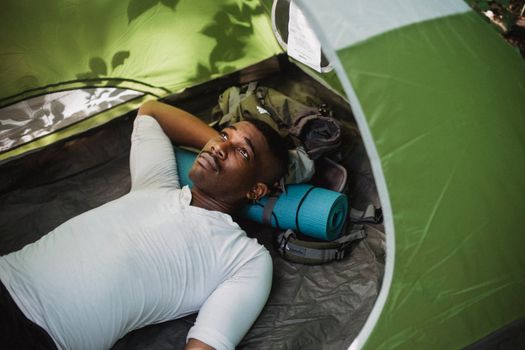 Photo: Kamaji Ogino / Pexels
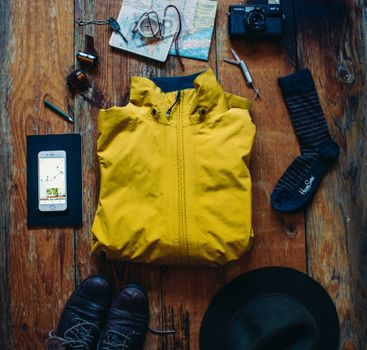 Photo: Rachel Claire / Pexels
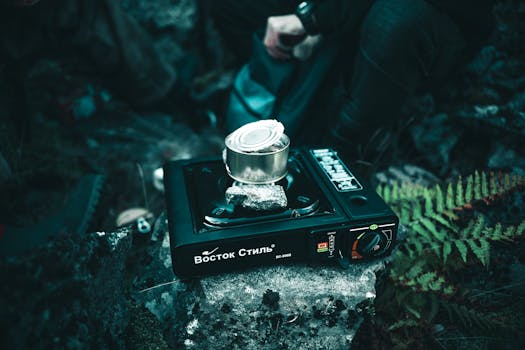 Photo: Curkan / Pexels
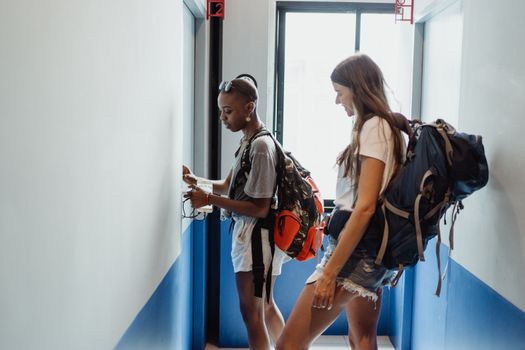 Photo: Ketut Subiyanto / Pexels