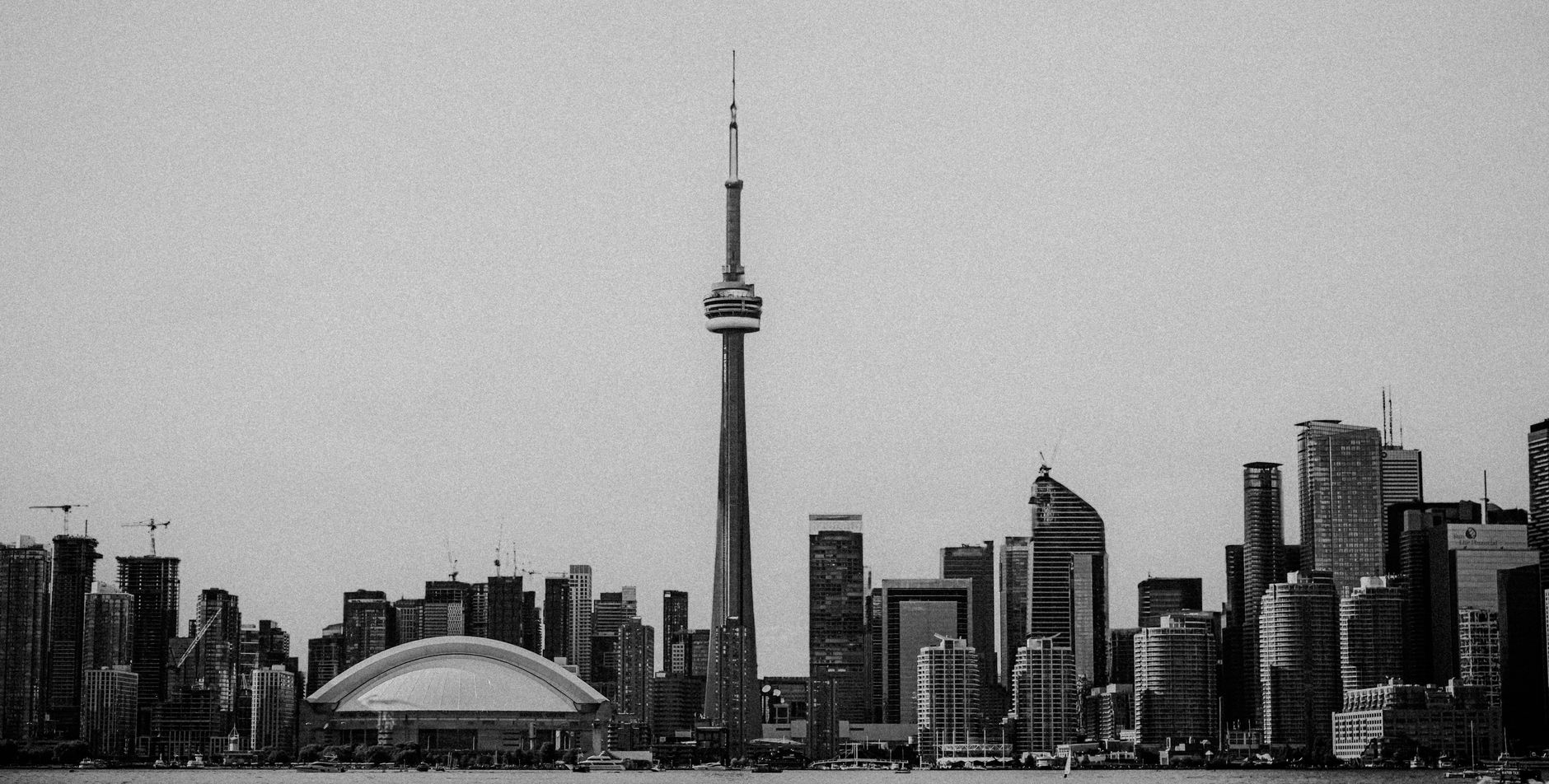
Best Time to Visit Toronto: Your Ultimate Seasonal Guide
best time to visit toronto

Best Time to Visit Toronto: Your Ultimate Seasonal Guide

Unlock the secrets to an unforgettable Toronto experience, tailored to your preferences, from vibrant summers to cozy winters.

Plan Your Toronto Trip!

Key Takeaways

  • ✓ Peak tourist season is June to August, offering warm weather and numerous outdoor events.
  • ✓ Shoulder seasons (April-May, September-October) provide pleasant weather, fewer crowds, and often better deals.
  • ✓ Winter (November-March) is cold but offers unique experiences like ice skating and indoor attractions.
  • ✓ Major festivals like TIFF, Caribana, and Pride Toronto can significantly impact accommodation and crowd levels.

How It Works

1
Define Your Priorities

Consider what you want most from your trip: warm weather, festivals, budget travel, or specific activities. This will guide your seasonal choice.

2
Consult the Seasonal Breakdown

Dive into our detailed guide for each season, understanding typical weather, events, and crowd levels. Match your priorities to the ideal time.

3
Check Specific Event Calendars

Once you have a general season, look up exact dates for festivals or attractions you're interested in. Dates can shift year to year.

4
Book Smartly

Depending on your chosen season, book flights and accommodations well in advance for peak times or look for deals during shoulder and off-seasons.

Spring in Toronto: A Reawakening City
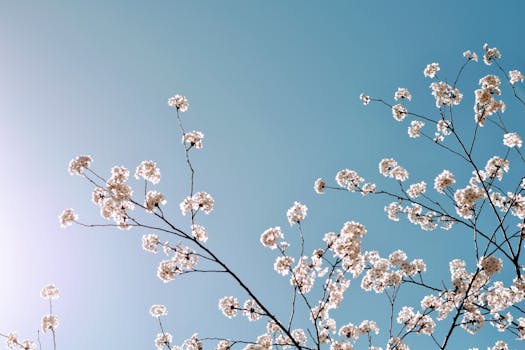
Beautiful cherry blossoms on a tree branch with a bright blue sky background in Toronto. Photo: Tim Gouw / Pexels
As the snow melts and the city shakes off its winter slumber, Toronto in spring (April to May) offers a delightful blend of burgeoning warmth, blossoming nature, and a palpable sense of renewal. This shoulder season is often considered one of the best times to visit Toronto for those who appreciate milder temperatures and fewer crowds than the bustling summer months. Average temperatures in April typically range from 3°C to 12°C (37°F to 54°F), gradually climbing to a more comfortable 8°C to 18°C (46°F to 64°F) in May. While you might still encounter a chilly day or a spring shower, the overall weather is pleasant enough for exploring the city's outdoor attractions without the intense heat or humidity of summer. One of the undeniable charms of Toronto in spring is the natural beauty that unfolds. High Park, the city's largest park, bursts into life with cherry blossoms, drawing crowds for their ephemeral beauty, usually in late April or early May. The Toronto Botanical Garden and Edwards Gardens also become vibrant canvases of blooming flowers and fresh greenery, perfect for leisurely strolls and photography. Beyond nature, spring marks the unofficial start of patio season, with many restaurants and cafes opening their outdoor seating, allowing visitors to enjoy al fresco dining. This period also sees the launch of several outdoor markets and community events, offering a taste of local life before the summer rush. Cultural institutions like the Royal Ontario Museum and the Art Gallery of Ontario are less crowded, providing a more relaxed experience to delve into art, history, and natural wonders. For sports enthusiasts, April usually signifies the start of the Toronto Blue Jays baseball season, offering an exciting live sporting event experience. Exploring Toronto's diverse neighborhoods, from the historic Distillery District to the vibrant Kensington Market, becomes a joy as the weather encourages walking and outdoor exploration. Remember to pack layers, as spring weather can be unpredictable, with warm afternoons potentially giving way to cooler evenings. This transitional period presents a fantastic opportunity to experience Toronto's charm without the peak season premiums, making it a compelling choice for many travelers. For more tips on navigating the city, check out our guide to Toronto's public transport.

Summer in Toronto: Festival Fever and Lakeside Bliss
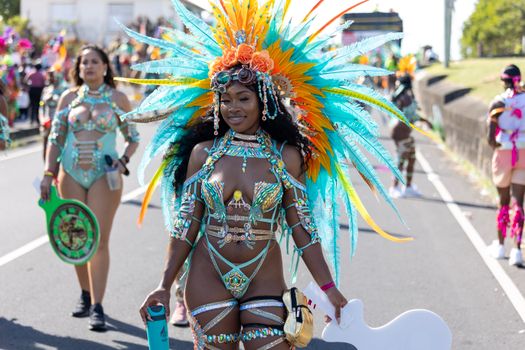
Colorful costumes and joyful celebration at a street carnival in Saint Kitts and Nevis. Photo: Jermaine Lewis / Pexels
Summer (June to August) is undeniably the most popular and vibrant time to experience Toronto. The city comes alive with a palpable energy, warm weather, and an endless array of outdoor activities and world-class festivals. This is when Toronto truly shines, making it the best time to visit Toronto for those seeking lively atmospheres, sun-drenched days, and a packed itinerary. Average temperatures hover around a comfortable 20°C to 27°C (68°F to 81°F), though heat waves pushing into the low 30s°C (90s°F) with humidity are not uncommon, especially in July and August. The long daylight hours mean more time for exploration and enjoyment. The summer months are synonymous with Toronto's legendary festival scene. June kicks off with Pride Toronto, a colourful and inclusive celebration that draws millions. July brings the Caribbean Carnival (Caribana), a spectacular showcase of Caribbean culture, music, and elaborate costumes, culminating in a grand parade. Throughout the season, you'll find numerous music festivals, food festivals, and street fairs, transforming various neighborhoods into bustling hubs of activity. Outdoor concerts, free movie screenings in parks, and vibrant farmers' markets are commonplace. The Toronto Islands become a prime destination, offering beaches, amusement parks, and stunning skyline views, accessible via a short ferry ride. Lakeside activities along Lake Ontario, from paddleboarding to boat tours, are in full swing. Iconic attractions like the CN Tower, Ripley's Aquarium of Canada, and Casa Loma see increased visitor numbers, so booking tickets in advance is highly recommended. Dining becomes an outdoor affair, with patios overflowing and food trucks dotting the city's streets. Sports fans can catch more Blue Jays games, or even a Toronto FC soccer match. While the energy is infectious, be prepared for larger crowds and higher prices for flights and accommodations. Booking well in advance is crucial if you plan to visit during this peak period, especially around major festivals. Despite the crowds and costs, the sheer volume of activities and the city's infectious summer spirit make it an unforgettable experience, particularly for those who love warm weather and lively events. Remember to stay hydrated and wear sunscreen, as the summer sun can be intense.

Autumn in Toronto: Golden Hues and Cultural Riches
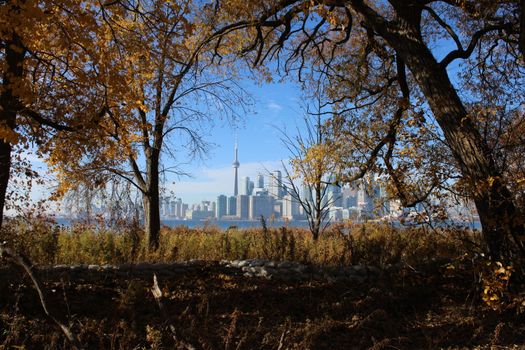
View of Toronto skyline framed by autumn trees, showcasing urban nature contrast. Photo: alex ohan / Pexels
As summer's heat gives way to cooler breezes, Toronto in autumn (September to November) transforms into a breathtaking spectacle of fall foliage and a hub for cultural events. This shoulder season is arguably one of the best times to visit Toronto for those who appreciate comfortable weather, stunning natural beauty, and a sophisticated arts scene, all without the intense crowds of summer. September still holds onto some summer warmth, with temperatures ranging from 11°C to 21°C (52°F to 70°F), gradually cooling to 4°C to 11°C (39°F to 52°F) in October, and dipping further in November. The crisp air and brilliant fall colours create a picturesque backdrop for urban exploration and outdoor excursions. The highlight of Toronto's autumn is undoubtedly the vibrant fall foliage. Areas like High Park, Rouge National Urban Park, and the scenic Don Valley Parkway become canvases of red, orange, and gold, perfect for hiking, cycling, or simply enjoying the visual feast. A day trip to Algonquin Provincial Park, a few hours north of the city, offers an even more immersive experience of Canada's iconic autumn landscapes. Culturally, September is dominated by the Toronto International Film Festival (TIFF), one of the world's most prestigious film festivals, attracting celebrities and film enthusiasts alike. This period also sees the beginning of the new seasons for performing arts organizations, including the Canadian Opera Company, the National Ballet of Canada, and Mirvish Productions, offering a wealth of theatrical, musical, and dance performances. Many art galleries and museums also launch new exhibitions, making it a prime time for cultural immersion. Exploring Toronto's diverse neighborhoods like Rosedale or Forest Hill becomes even more charming amidst the fall colours, with their historic homes and tree-lined streets. Outdoor markets continue into early autumn, offering fresh seasonal produce. Apple picking and pumpkin patches become popular weekend activities just outside the city. While the weather is generally pleasant, it can be unpredictable, so packing layers and a waterproof jacket is advisable. As November approaches, temperatures drop more significantly, and the city begins to prepare for winter, though late autumn still offers cozy indoor activities and festive preparations. Accommodation and flight prices often see a dip after the peak summer season and TIFF, offering better value for travelers. This season combines the best of both worlds: comfortable weather for outdoor adventures and a rich cultural calendar, making it an ideal choice for a well-rounded Toronto experience.

Winter in Toronto: Snowy Charm and Cozy Retreats
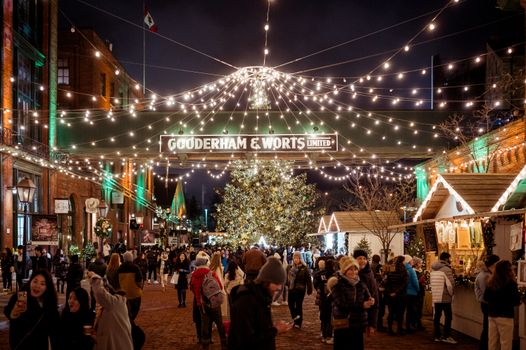
Night scene of a bustling Christmas market with festive lights and decorations. Photo: Harrison Haines / Pexels
For those who embrace the cold and seek a different kind of urban adventure, Toronto in winter (December to March) offers a unique charm. While temperatures are decidedly chilly, ranging from -6°C to 2°C (21°F to 36°F), with significant snowfall possible, the city transforms into a festive wonderland, especially during the holiday season. It’s the best time to visit Toronto for budget-conscious travelers and those who enjoy winter sports, cozy indoor activities, and a less crowded experience at popular attractions. The holiday season in December is particularly magical, with the Distillery District Christmas Market (now the Toronto Christmas Market) becoming a fairytale setting, complete with festive lights, artisanal goods, and seasonal treats. Nathan Phillips Square hosts a popular outdoor ice-skating rink, as do Harbourfront Centre and Evergreen Brick Works, offering quintessential Canadian winter experiences. Beyond skating, winter sports enthusiasts can find opportunities for cross-country skiing and snowshoeing in city parks. Toronto also becomes a hub for indoor cultural activities. The city's world-class museums and galleries, like the Royal Ontario Museum and Art Gallery of Ontario, provide warm and engaging escapes. Catching a Toronto Maple Leafs hockey game or a Toronto Raptors basketball game offers an exhilarating indoor spectacle. The PATH, Toronto's extensive underground pedestrian walkway system, becomes an invaluable resource for navigating downtown without braving the cold. January and February are typically the coldest months, often seeing significant snowfall, which can occasionally impact travel plans. However, these months also present the lowest tourist numbers and often the best deals on flights and accommodations. Many restaurants offer cozy dining experiences, and the city hosts various winter-themed events and festivals, such as Winterlicious, a prix fixe culinary event. Packing warm layers, including a heavy winter coat, hat, gloves, and waterproof boots, is essential for enjoying Toronto during this season. While the outdoor appeal might be limited for some, the festive atmosphere, unique winter activities, and opportunities for cultural immersion make Toronto a compelling winter destination for those prepared for the cold. Don't forget to check out the numerous indoor entertainment options like live music venues and comedy clubs. For a comprehensive guide on navigating the city in colder months, consider researching Toronto's indoor attractions and activities.

Comparison

FeatureSpring (Apr-May)Summer (Jun-Aug)Autumn (Sep-Oct)Winter (Nov-Mar)
WeatherMild, blossomingWarm, humid, sunnyCool, crisp, colourfulCold, snowy, festive
Crowd LevelsModerateHigh (peak)Moderate (post-TIFF low)Low (peak holidays)
CostMediumHighMedium-HighLow-Medium
Outdoor Activities✗ (limited)
Festivals/Events✓ (starting)✓✓✓ (many)✓✓ (TIFF, harvest)✓ (holiday, Winterlicious)
Fall Foliage
Cherry Blossoms
Ice Skating

What Readers Say

"We visited Toronto in late September and it was absolutely perfect. The weather was crisp for walking, the fall colours were stunning, and we caught some incredible shows. Definitely the best time to visit Toronto for us."

Sarah J. · Vancouver, BC

"Summer in Toronto is electric! We went for Caribana and the energy was unbelievable. Yes, it was crowded and a bit hot, but the festivals and street life are unmatched. Plan ahead, and you'll have a blast."

Marcus L. · New York, NY

"My trip in May was fantastic. The cherry blossoms in High Park were beautiful, and the city wasn't too busy. I managed to see all the major attractions without long waits, which truly enhanced my experience."

Elena R. · London, UK

"We went in January for a hockey game and found some great deals on hotels. It was cold, but the underground PATH system made it easy to get around. If you bundle up, it's a unique way to see the city."

David K. · Calgary, AB

"I chose early October, specifically for the Toronto International Film Festival. The city was buzzing with excitement, and the weather was ideal for exploring between screenings. A truly memorable cultural immersion."

Chen W. · Shanghai, China

Frequently Asked Questions

What is the absolute best time to visit Toronto for sightseeing and good weather?

For a balance of pleasant weather and active sightseeing, the shoulder seasons of late spring (May) and early autumn (September to early October) are generally considered ideal. Temperatures are mild, crowds are manageable, and the city offers beautiful natural scenery or vibrant cultural events.

Is Toronto too cold to visit in winter?

While Toronto winters (December-March) are indeed cold with significant snowfall, the city is well-equipped for it. Many attractions are indoors, and the extensive PATH underground network allows for comfortable navigation downtown. If you dress warmly, you can enjoy unique winter activities and festive events.

How can I avoid large crowds when visiting Toronto?

To avoid the largest crowds, aim for the shoulder seasons (April-May or late October-November) or the winter months (excluding the holiday period). Avoid major festival dates like Caribana or TIFF if crowd avoidance is a top priority, or plan your itinerary around less popular attractions during those times.

What is the most expensive time to visit Toronto?

Summer (June-August) is typically the most expensive time to visit Toronto due to peak tourist season, high demand for accommodations, and major festivals. Flights and hotels also see price surges around major events like the Toronto International Film Festival in September.

How does Toronto's weather compare to other Canadian cities?

Toronto generally experiences a more moderate climate than many other Canadian cities, especially those further inland or north. While winters are cold, they are less extreme than in Winnipeg or Montreal, and summers are warm and humid, often milder than interior cities but warmer than the Pacific coast.

Who should consider visiting Toronto in the off-season?

Budget travelers, those who prefer fewer crowds, and individuals interested in indoor cultural attractions or winter sports should consider visiting Toronto in the off-season (late autumn, winter, early spring). It offers a different, often more intimate, experience of the city.

Is it safe to walk around Toronto at night during any season?

Toronto is generally considered a very safe city, and walking around at night is safe in most well-trafficked areas and downtown. As with any large urban center, it's always wise to be aware of your surroundings, stick to well-lit areas, and travel with company if possible, regardless of the season.

What are the emerging trends for Toronto tourism throughout the year?

Emerging trends include a growing focus on sustainable tourism, increased interest in diverse culinary experiences beyond traditional downtown areas, and a rise in demand for unique, local experiences and niche festivals throughout the year, encouraging year-round visitation to various neighborhoods.

No matter your preference, Toronto offers a captivating experience in every season. Use this guide to determine the best time to visit Toronto for your unique travel style and embark on an unforgettable adventure in Canada's largest city. Start planning your perfect Toronto getaway today!

Topics: best time to visit torontotoronto weather by monthtoronto festivals and eventsseasonal travel torontotoronto travel guide
Leo List
Brampton weed
Adultwork