The Best Time to Visit Canadian Rockies: Your Ultimate Guide
best time to visit canadian rockies

The Best Time to Visit Canadian Rockies: Your Ultimate Guide

Unlock the secrets to planning your dream Canadian Rockies adventure, perfectly timed for your desired experiences.

Plan Your Rockies Trip

Key Takeaways

  • ✓ Summer (June-August) offers warm weather, peak accessibility, and vibrant turquoise lakes.
  • ✓ Fall (September-October) brings fewer crowds, golden larch trees, and crisp air.
  • ✓ Winter (November-March) is ideal for snow sports, frozen waterfalls, and serene landscapes.
  • ✓ Spring (April-May) is a transitional period, with melting snow and emerging wildlife.

How It Works

1
Define Your Priorities

Before picking a date, consider what you want most from your trip. Are you chasing warm hikes, vibrant fall colors, or world-class skiing?

2
Understand the Seasons

Each season in the Rockies offers a uniquely different experience. Research the typical weather, activities, and accessibility for each period.

3
Factor in Crowds & Cost

Peak season means more people and higher prices, while shoulder seasons can offer a balance. Decide what level of solitude and budget you're comfortable with.

4
Book in Advance

Regardless of the season, popular accommodations and activities, especially in Banff and Jasper, book up quickly. Secure your bookings well ahead of time.

Summer in the Rockies: Peak Season Perfection (June-August)

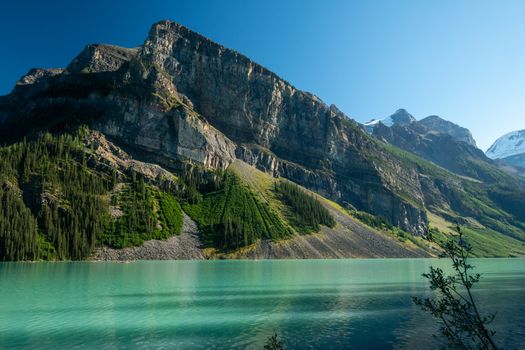
Stunning view of Lake Louise in Alberta, Canada, surrounded by the majestic Rocky Mountains and clear blue sky. Photo: Andrew Patrick Photo / Pexels
When most people dream of the Canadian Rockies, they envision the glorious summer months. And for good reason! From June to August, the Rockies burst into life with warm temperatures, long daylight hours, and unparalleled accessibility. This is the prime time for hiking, kayaking, canoeing, and exploring the iconic turquoise lakes like Lake Louise and Moraine Lake, which are typically fully thawed and reflecting their vibrant hues. Temperatures generally range from 20-25°C (68-77°F) during the day, making it perfect for outdoor adventures. All major roads, including the scenic Icefields Parkway, are open, and mountain passes are clear of snow. Wildlife viewing is at its peak, with bears, elk, and bighorn sheep frequently spotted. The downside? Crowds. Summer is undeniably the busiest time, especially in popular spots like Banff, Jasper, and Yoho National Parks. Accommodation prices are at their highest, and popular trails can be bustling. To mitigate the crowds, consider visiting in early June or late August, exploring lesser-known trails, or heading out early in the morning. Booking everything – from hotels to guided tours – months in advance is absolutely crucial if you plan to visit during this period. Despite the crowds, the sheer beauty and range of activities make summer an incredibly popular and rewarding choice for many. If your primary goal is to hike extensively, paddle on those iconic lakes, and experience the Rockies at their most vibrant, then summer is undoubtedly the ideal time for your visit. Just be prepared for company and plan diligently.

Autumn's Golden Embrace: Fall Foliage and Fewer Crowds (September-October)

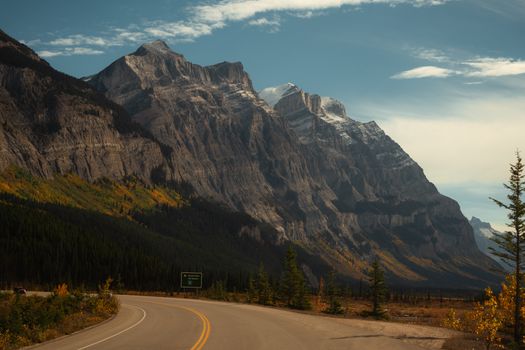
A winding road through a majestic mountain landscape during autumn. Photo: Luke Miller / Pexels
For those who prefer a more tranquil yet equally breathtaking experience, autumn in the Canadian Rockies is a hidden gem. September and early October offer a magical transformation as the larch trees turn a brilliant golden yellow, contrasting spectacularly with the dark green pines and snow-dusted peaks. The air becomes crisp, the light takes on a softer quality, and the summer crowds begin to thin out significantly. Daytime temperatures in September can still be pleasant, ranging from 10-20°C (50-68°F), though nights become much cooler, often dropping below freezing. October sees temperatures cool further, with the first significant snowfalls often occurring at higher elevations. This season is perfect for hiking, especially for those seeking the famous larch valley trails around Lake Louise. Photography opportunities are abundant, capturing the stunning fall colors against the dramatic mountain backdrop. While some high-elevation facilities might begin to close towards the end of October, most attractions remain open, and the Icefields Parkway is usually clear. The reduced number of visitors means better chances for solitude on trails and easier access to viewpoints. Accommodation prices may also see a slight dip compared to peak summer rates. However, be prepared for variable weather; sudden snowstorms are not uncommon, especially as you move deeper into October. Packing layers, including warm waterproof gear, is essential. If you prioritize stunning fall colors, crisp hiking weather, and a more peaceful experience without sacrificing accessibility to most attractions, then autumn offers an unforgettable journey into the heart of the Rockies.

Winter Wonderland: Snow Sports and Serene Beauty (November-March)

Snow-covered street in Banff, Alberta with mountain backdrop and stoplights Photo: Jared VanderMeer / Pexels
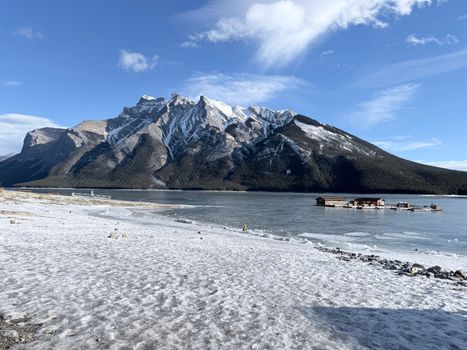
The Canadian Rockies transform into a pristine winter wonderland from November to March, offering a completely different but equally captivating experience. This is the season for snow sports enthusiasts, with world-class skiing and snowboarding at resorts like Banff Sunshine, Lake Louise Ski Resort, and Marmot Basin in Jasper. Beyond the slopes, winter activities include ice skating on frozen lakes, snowshoeing, cross-country skiing, ice climbing, and dog sledding. The landscape is blanketed in deep snow, creating a serene and often dramatic beauty, with frozen waterfalls and steaming hot springs providing unique photographic opportunities. Temperatures can be very cold, often dropping well below freezing, ranging from -15°C to 0°C (5°F to 32°F) during the day, with even colder nights. However, the dry mountain air can make it feel less harsh than expected, and bright sunny days are common. While some roads and trails may be closed due to snow, the main routes, including the Icefields Parkway, are generally kept open, though winter tires or chains are mandatory. Wildlife viewing is still possible, with elk, bighorn sheep, and deer often seen against the snowy backdrop. The crowds are significantly smaller than in summer, especially outside of school holidays and major ski events, leading to a more peaceful atmosphere. Accommodation prices can be lower, except during peak holiday periods like Christmas and March break. If you dream of carving fresh powder, experiencing the magical quiet of a snow-covered landscape, or cozying up by a fireplace after a day of adventure, winter is the perfect time for your Canadian Rockies escape. Proper winter gear is non-negotiable for an enjoyable trip.

Spring's Awakening: Transitional Beauty and Emerging Life (April-May)

Spring in the Canadian Rockies is a season of transition, offering a unique blend of winter's lingering beauty and the first hints of summer's warmth. April and May are characterized by melting snow, rising river levels, and the gradual reawakening of flora and fauna. While many higher elevation trails and lakes remain snow-covered and inaccessible, the lower valleys begin to green, and wildlife, including bears emerging from hibernation, becomes more active. Daytime temperatures gradually climb from 5-15°C (41-59°F), but nights can still be chilly. This shoulder season offers a distinct advantage: significantly fewer crowds than summer and often more affordable accommodation rates. It's a fantastic time for road trips, as the main highways are clear, allowing for scenic drives through still-snow-capped peaks and emerging greenery. Activities might include early-season hiking on lower elevation trails, visiting thawing waterfalls, or enjoying the last of the ski season at resorts that often remain open into May. It's important to note that iconic lakes like Lake Louise and Moraine Lake will likely still be frozen or partially thawed in April and early May, so the vibrant turquoise colors will not yet be visible. For travelers seeking a quieter experience, good value, and the chance to witness the Rockies shake off their winter slumber, spring can be a rewarding choice. However, flexibility is key, as weather conditions can be unpredictable, ranging from warm, sunny days to late-season snowfalls. Packing layers for all conditions is essential. This is a great time to avoid the peak season rush if you're not solely focused on alpine hiking or paddling iconic lakes. Embrace the anticipation of summer and the serene beauty of a landscape in flux. To make the most of it, check local park conditions and road closures frequently. **Tips for Planning Your Rockies Trip:** * **Book Early, Always:** Regardless of the season, popular accommodations and activities in Banff and Jasper national parks fill up months in advance, especially during summer and holiday periods. Don't wait! * **Flexibility is Your Friend:** Mountain weather is notoriously unpredictable. Be prepared for sudden changes, and have backup plans for activities if conditions shift. * **Layer Up:** Even in summer, mountain evenings can be cool. Layers are crucial for comfort in all seasons. * **Consider a Parks Pass:** If you plan to spend more than a day in any national park, a Parks Canada Discovery Pass often provides the best value. * **Utilize Public Transport/Shuttles:** Especially in peak season, parking at popular trailheads and attractions can be extremely limited. Use shuttles or public transport where available. * **Respect Wildlife:** Keep a safe distance, never feed animals, and store food properly. Carry bear spray and know how to use it if hiking. * **Check Conditions:** Always check Parks Canada's website for trail conditions, road closures, and specific advisories before heading out.

Comparison

FeatureSummer (June-Aug)Fall (Sept-Oct)Winter (Nov-Mar)Spring (Apr-May)
WeatherWarm, Sunny (20-25°C)Cool, Crisp (10-20°C)Cold, Snowy (-15-0°C)Mild, Thawing (5-15°C)
CrowdsVery HighModerate-LowLow-Moderate (peak holidays)Low
ActivitiesHiking, Paddling, CyclingLarch Hikes, Scenic DrivesSkiing, Snowshoeing, SkatingRoad Trips, Low-level Hikes
Lake Access (Iconic)✓ (Turquoise)✓ (Thawing-Clear)✗ (Frozen)✗ (Frozen/Thawing)
Wildlife ViewingExcellentGoodGoodGood (emerging)
CostHighModerateModerate (High holidays)Low-Moderate

What Readers Say

"Visiting the Canadian Rockies in late September was truly magical. The golden larches were breathtaking, and the trails weren't nearly as crowded as I'd heard they get in summer. The crisp air made hiking so enjoyable."

Sarah J. · Seattle, WA

"We chose early July for our trip, and the turquoise lakes were exactly as advertised. Every hike offered incredible views, and the long daylight hours meant we could pack so much in. Worth navigating the crowds for those stunning visuals!"

Mark D. · London, UK

"Our family ski trip to Banff in February was fantastic. The snow was perfect, and the frozen waterfalls were an unexpected highlight. It felt like stepping into a postcard, and the kids absolutely loved it."

Elena R. · Toronto, ON

"We went in mid-May hoping for fewer people. While it was less crowded, many of the higher trails were still snowed in, and Moraine Lake was completely frozen. It was beautiful, but if you're set on specific summer activities, wait a bit longer."

David L. · Phoenix, AZ

"As a photographer, the fall colors in the Rockies were an absolute dream. The light was incredible, and the fewer people meant I could get some truly undisturbed shots. I'd recommend early October to any fellow shutterbugs."

Maria P. · Sydney, AU

Frequently Asked Questions

What is the absolute best time to visit Canadian Rockies for first-timers?

For most first-timers seeking the quintessential Canadian Rockies experience – warm weather, vibrant turquoise lakes, and extensive hiking opportunities – late June to early September is generally considered the best time. This period offers maximum accessibility to all attractions and activities, though it is also the busiest.

Is it worth visiting the Canadian Rockies in winter?

Absolutely! Visiting in winter (November-March) offers a completely different, magical experience. It's ideal for snow sports like skiing and snowboarding, ice skating, and enjoying serene, snow-covered landscapes. If you embrace the cold and winter activities, it's incredibly rewarding and often less crowded.

How far in advance should I book my trip to the Canadian Rockies?

For peak summer travel (July-August), it's highly recommended to book accommodation, popular tours, and even some restaurant reservations 6-12 months in advance. For shoulder seasons (spring/fall) and winter (especially around holidays), 3-6 months in advance is a good guideline to secure your preferred options and better rates.

What are the average costs for a trip to the Canadian Rockies?

Costs vary significantly by season, accommodation choice, and activities. Summer is the most expensive, with daily costs for mid-range travelers often exceeding $200-$400 CAD per person (excluding flights). Shoulder seasons and winter can be 15-30% cheaper for accommodation, though ski passes add to winter budgets. Plan a realistic budget based on your desired comfort and activity level.

Should I visit Banff or Jasper, or both?

Both Banff and Jasper offer incredible experiences. Banff is generally more developed, with a wider range of hotels and amenities, and easier access to iconic lakes. Jasper is wilder, larger, and offers a more remote feel. If time permits, visiting both via the scenic Icefields Parkway provides the most comprehensive Rockies experience, showcasing their distinct charms.

Who should avoid visiting the Canadian Rockies in peak summer?

Travelers who are highly sensitive to crowds, prefer solitude on trails, or are on a very strict budget might find peak summer (July-August) challenging. While beautiful, popular spots can be very busy, and accommodation prices are at their highest. These individuals might prefer the shoulder seasons (late spring, early fall) or winter.

Are there any safety concerns when visiting the Canadian Rockies?

The Canadian Rockies are generally very safe, but being in a wild environment requires awareness. Key concerns include wildlife encounters (especially bears), unpredictable mountain weather, and avalanche risk in winter. Always stay on marked trails, carry bear spray if hiking, inform someone of your plans, and check conditions before heading out. Proper planning and respect for nature are crucial.

What are the emerging trends for Canadian Rockies tourism?

Emerging trends include a greater emphasis on sustainable and responsible tourism, a rise in demand for off-peak season travel to avoid crowds, and an increased interest in unique, immersive experiences such as backcountry hut trips or guided wildlife photography tours. Digital detox retreats and experiences focusing on Indigenous culture are also gaining popularity.

Choosing the best time to visit Canadian Rockies truly depends on your personal preferences and what you hope to experience. Whether you crave the vibrant warmth of summer, the golden glow of autumn, the serene beauty of winter, or the quiet awakening of spring, the Rockies promise an unforgettable adventure. Start planning your perfect trip today to secure your slice of this Canadian paradise.

Topics: best time to visit canadian rockiesCanadian Rockies seasonsJasper Banff travelRockies weatherAlberta mountains
Leo List

DK Escorts LU Escorts AT Escorts SE Escorts FI Escorts CH Escorts DE Escorts HR Escorts IE Escorts GR Escorts CZ Escorts NO Escorts BE Escorts FR Escorts SI Escorts IL Escorts NL Escorts PL Escorts HU Escorts ES Escorts IT Escorts PT Escorts SK Escorts RO Escorts ZA Escorts UY Escorts US Escorts UK Escorts NZ Escorts AU Escorts
Brampton weed
Adultwork EstrelaBet Vai de Bet R7 Bet Betão Galera Bet Rainbet Bet9ja Shop SportyBet BetKing Sisal Loto Foot Hollywoodbets YesPlay Odibets RushBet Jugabet BetWarrior BetCity MSport betPawa Fortebet