Unlock Your Dream Trip: Best Time to Visit Canada

A man holding a cat by a stunning lake in Jasper, Alberta, Canada with mountain backdrop.Photo: Ali Kazal / Pexels

Unlock Your Dream Trip: Best Time to Visit Canada

Navigate Canada's diverse climates and find the ideal season for your unforgettable journey, from coast to coast.

Plan Your Canadian Adventure

Key Takeaways

  • ✓ Canada's climate varies drastically by region and season.
  • ✓ Summer (June-August) is peak tourist season, offering warm weather and outdoor activities.
  • ✓ Autumn (September-October) brings stunning foliage, especially in Eastern Canada.
  • ✓ Winter (November-March) is ideal for snow sports but requires careful preparation.
  • ✓ Spring (April-May) offers shoulder-season deals and blooming landscapes, though some areas may still be cold.

How It Works

1
Define Your Desired Activities

Are you dreaming of hiking in the Rockies, whale watching on the coasts, or skiing in Quebec? Your preferred activities will heavily influence the best time to visit.

2
Consider Regional Climates

Canada is vast; weather in Vancouver can be vastly different from Toronto or Banff in the same month. Research the specific regions you plan to visit.

3
Evaluate Peak vs. Shoulder Seasons

Peak seasons offer optimal weather but higher costs and crowds. Shoulder seasons provide a balance of decent weather, fewer crowds, and better deals.

4
Check Local Events & Festivals

Align your trip with specific events like the Calgary Stampede, Montreal Jazz Festival, or Fête du Voyageur for a richer cultural experience.

Summer in Canada: The Peak Season for Exploration (June-August)

A breathtaking view of a highway surrounded by majestic mountains and lush forests under a clear sky.Photo: Amarjit Kaur / Pexels
Summer in Canada, spanning from June to August, is unequivocally the most popular time for tourists to visit, and for good reason. The entire country thaws, revealing lush landscapes, sparkling lakes, and vibrant cities. Temperatures are generally warm and comfortable across most regions, ranging from 20°C to 30°C (68°F to 86°F), making it perfect for a wide array of outdoor activities. In the western provinces like British Columbia and Alberta, the Rocky Mountains become a hiker's paradise. Trails that were snow-covered just weeks before are now accessible, leading to breathtaking vistas of turquoise lakes, towering peaks, and abundant wildlife. Banff, Jasper, and Yoho National Parks are at their prime, offering opportunities for backpacking, kayaking, and wildlife viewing. The Canadian Prairies experience long, sunny days, ideal for exploring national parks like Prince Albert or Riding Mountain, or enjoying the vibrant agricultural landscape. Coastal regions, such as British Columbia's Pacific Rim National Park Reserve or the Maritime provinces, offer incredible whale watching opportunities, with various species like orcas, humpbacks, and minke whales migrating through the waters. The Atlantic provinces boast charming coastal towns, fresh seafood, and pleasant temperatures for exploring their rugged shorelines and historical sites. Cities like Vancouver, Toronto, and Montreal buzz with energy, hosting numerous outdoor festivals, street fairs, and patio dining experiences. The long daylight hours mean more time for sightseeing and enjoying the urban atmosphere. However, this popularity comes with a few considerations: higher prices for flights and accommodation, and larger crowds at major attractions. Booking well in advance is essential to secure your preferred options and avoid disappointment. Despite the crowds, the sheer breadth of activities and the glorious weather make summer an irresistible choice for many first-time visitors and those seeking classic Canadian adventures. From camping under the stars in a national park to exploring world-class cities, summer offers a quintessential Canadian experience that is hard to beat.

Autumn's Embrace: Witnessing Canada's Fall Foliage (September-October)

Scenic view of Lions Gate Bridge and Vancouver skyline, surrounded by trees and mountains.Photo: Raghav Khera / Pexels
As summer gently transitions into autumn, Canada undergoes a spectacular transformation, primarily in September and October. This period, often referred to as the shoulder season, offers a unique blend of pleasant weather, fewer crowds, and arguably the most visually stunning scenery, particularly in Eastern Canada. The temperatures are crisp and comfortable, typically ranging from 10°C to 20°C (50°F to 68°F) during the day, with cooler evenings. The star attraction of Canadian autumn is undoubtedly the fall foliage. The maple leaves, in particular, turn brilliant shades of red, orange, and gold, creating a breathtaking tapestry across the landscape. The 'Maple Leaf Trail' in Ontario and Quebec is world-renowned for its incredible displays, drawing visitors from across the globe. Driving through Algonquin Provincial Park in Ontario, or along the scenic routes of Quebec's Eastern Townships, becomes an immersive experience in vibrant color. Hiking and cycling are still excellent options, with the added bonus of cooler temperatures and fewer insects than in summer. In the western provinces, while the deciduous trees are less dominant, the larch trees in the Rocky Mountains turn a striking golden yellow, offering a different but equally beautiful autumn spectacle. Destinations like Lake Louise and Banff National Park remain popular, but the crowds begin to thin out after the peak summer months. Wildlife viewing also remains strong in the fall, as animals are often more active preparing for winter. Bear sightings, in particular, can be more common. For those interested in cultural experiences, many cities host fall festivals celebrating harvests, arts, and local traditions. The cooler weather also lends itself well to exploring museums, art galleries, and cozy cafes. While the weather is generally pleasant, it can be unpredictable, with the possibility of early frosts or even snow, especially towards late October in higher elevations or northern regions. Packing layers is crucial to adapt to changing conditions. Overall, autumn is a fantastic time to visit Canada for those who appreciate natural beauty, comfortable temperatures, and a slightly more serene travel experience without the intense summer crowds.

Winter Wonderland: Embracing Canada's Snowy Charms (November-March)
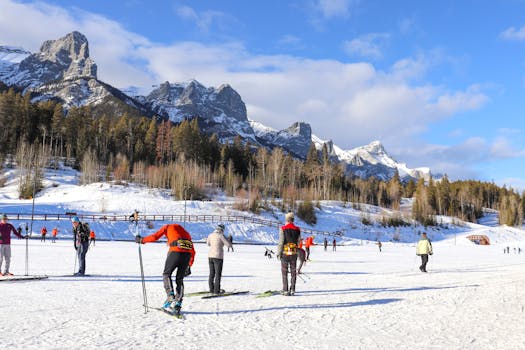
Cross-country skiers enjoy a sunny winter day at the foothills of Alberta's majestic mountains.Photo: Claudia Solano / Pexels
For those who dream of a true winter wonderland, Canada delivers an unparalleled experience from November through March. This season is synonymous with snow, ice, and a plethora of winter sports, making it the best time to visit for ski and snowboard enthusiasts, ice skaters, and aurora borealis seekers. Temperatures can be intensely cold, often dropping well below 0°C (32°F), especially in central and eastern Canada, and the prairies, where -20°C (-4°F) is not uncommon. However, with the right gear and attitude, the cold enhances the magic. The Rocky Mountains, with world-class resorts like Whistler Blackcomb, Banff Sunshine, and Lake Louise, become a mecca for skiing and snowboarding. The deep, fluffy powder attracts visitors from around the globe. Beyond downhill skiing, activities like cross-country skiing, snowshoeing, ice skating on frozen lakes (like Lake Louise) or urban rinks, and dog sledding are widely available. Quebec City, with its European charm, transforms into a fairytale setting during winter, hosting the famous Carnaval de Québec, one of the largest winter festivals in the world. Montreal also embraces the cold with its vibrant underground city and numerous winter events. The northern territories and parts of Western Canada offer incredible opportunities to witness the mesmerizing Northern Lights (Aurora Borealis), particularly from late fall to early spring when nights are long and dark. Yellowknife in the Northwest Territories is often cited as one of the best places globally for aurora viewing. While winter travel offers unique beauty and activities, it requires careful planning. Proper winter clothing is essential, including insulated jackets, hats, gloves, and waterproof boots. Travel can be affected by heavy snowfall, leading to road closures or flight delays. However, hotels often offer lower rates outside of major holiday periods, making it a more budget-friendly option for those willing to brave the cold. For adventurers and those who revel in snowy landscapes, winter in Canada is an unforgettable, truly Canadian experience. It’s a time to cozy up by a fire after a day on the slopes, or marvel at a world transformed by snow and ice. Embrace the chill and discover a different side of Canada.

Spring Awakening: Shoulder Season Delights (April-May)

Stunning full bloom of vibrant pink cherry blossoms creating a lush floral canopy.Photo: Tetyana Kovyrina / Pexels
Spring in Canada, typically spanning April and May, is a shoulder season that offers a unique set of advantages for the savvy traveler. It’s a period of transition, as the country slowly sheds its winter coat and begins to bloom, offering a blend of lingering winter activities and emerging summer attractions. Temperatures during spring are highly variable, ranging from cool in early April (0°C to 10°C / 32°F to 50°F) to pleasantly mild by late May (10°C to 20°C / 50°F to 68°F). In early spring, particularly in the Rocky Mountains and higher elevations, you might still find excellent conditions for spring skiing, often with fewer crowds and warmer, sunnier days than mid-winter. Resorts might offer discounted lift tickets, making it a great value proposition for snow sports enthusiasts. As the snow melts, rivers swell, creating exciting opportunities for white-water rafting in some regions. This is also a fantastic time for wildlife viewing, especially in national parks, as animals emerge from hibernation and migratory birds return. Bear cubs, elk calves, and other young animals are often spotted during this period. The landscape transforms from stark winter white to vibrant green, with wildflowers beginning to emerge. Major cities like Vancouver, Toronto, and Montreal come alive with outdoor markets, blooming gardens, and the return of patio season. The Vancouver Cherry Blossom Festival in April is a beautiful spectacle. Spring also means fewer crowds at popular attractions compared to the summer peak, leading to a more relaxed experience and often better deals on accommodation and flights. This makes it an ideal time for budget-conscious travelers or those who prefer a more tranquil pace. However, spring weather can be unpredictable. You might experience rain, sunshine, or even a late snowfall all within a few days. Muddy trails are common in many hiking areas due to melting snow, so proper footwear is essential. Some higher-elevation trails or remote roads might still be closed due to snow until late May or early June. Despite these minor challenges, spring offers a dynamic and rewarding travel experience, showcasing Canada's natural beauty as it awakens from winter's slumber, and providing a fantastic opportunity to enjoy both lingering winter activities and the first hints of summer.

Comparison

FeatureSummer (June-Aug)Autumn (Sep-Oct)Winter (Nov-Mar)Spring (Apr-May)
WeatherWarm, sunny (20-30°C)Cool, crisp (10-20°C)Cold, snowy (-20 to 0°C)Mild, variable (0-20°C)
CrowdsHighestModerateLow (except holidays)Low to Moderate
CostHighestModerateLow (except holidays)Moderate
ActivitiesHiking, water sports, city explorationFoliage viewing, hiking, festivalsSkiing, snowboarding, Northern LightsSpring skiing, wildlife, cherry blossoms
Best ForOutdoor adventures, classic tourismScenic drives, cultural experiencesSnow sports, unique winter beautyBudget travel, nature's awakening

What Our Readers Say

5 ★★★★★

"We visited Banff in July, and it truly was the best time to visit Canada for hiking and kayaking. The weather was perfect, and the lakes were an incredible turquoise. Yes, it was busy, but the views were worth every moment!"

5 ★★★★★

"October in Quebec was magical. The fall colors were beyond anything I've ever seen, especially along the St. Lawrence. It felt like a postcard come to life, and the crisp air was so refreshing."

5 ★★★★★

"I went skiing in Whistler in February, and it was an absolute dream. Deep powder every day and vibrant après-ski. Definitely the best time to visit Canada if you love snow sports; I've already booked my next trip!"

4 ★★★★☆

"We chose May for our trip to Vancouver and Victoria. While some mountain trails were still closed, the city gardens were beautiful, and we got some great deals on hotels. A bit rainy, but overall a lovely, quieter experience."

5 ★★★★★

"For seeing the Northern Lights, January in Yellowknife was unbeatable. The long, dark nights and clear skies gave us incredible displays. It was freezing, but the warmth of the hospitality and the beauty of the aurora made it unforgettable. Truly the best time to visit Canada for this specific experience."

Frequently Asked Questions

What is the absolute best month to visit Canada for a general sightseeing trip?
For a general sightseeing trip covering diverse regions and activities, late June to early September is often considered the best. This period offers the warmest temperatures, longest daylight hours, and accessibility to most attractions across the country, from coastal areas to mountain parks.
Is it too cold to visit Canada in winter?
While Canada can be very cold in winter, it's not 'too cold' if you're prepared. Many cities and regions embrace the winter with festivals and activities. With proper layered clothing and a focus on winter sports or cozy indoor experiences, it can be a magical time to visit, especially for snow enthusiasts or Northern Lights viewing.
How can I avoid large crowds when traveling to Canada?
To avoid large crowds, consider visiting during the shoulder seasons (April-May or September-October). While the weather might be more unpredictable, you'll benefit from fewer tourists, potentially lower prices, and a more relaxed atmosphere at popular destinations. Planning your visits to popular attractions early in the morning can also help.
What's the most budget-friendly time to visit Canada?
The most budget-friendly times to visit Canada are typically the shoulder seasons of late spring (April-May) and late autumn (late October-November), or during the heart of winter (excluding major holidays like Christmas/New Year's). During these periods, flights and accommodation often see significant price drops compared to the peak summer months.
How does Canadian weather vary from East to West?
Canadian weather varies significantly. The West Coast (British Columbia) has a milder, oceanic climate with wet winters and dry, warm summers. The Prairies experience extreme temperatures, with very cold winters and hot summers. Eastern Canada (Ontario, Quebec, Maritimes) has distinct four seasons, with cold, snowy winters and warm, humid summers. The North has long, very cold winters and short, cool summers.
Who should prioritize a summer trip to Canada?
Summer trips are ideal for families, outdoor adventurers, and first-time visitors who want to experience Canada's iconic natural beauty at its most accessible. If you're looking for hiking, camping, water sports, wildlife viewing, and vibrant city life with warm weather, summer is your best bet.
Are there any natural disasters or extreme weather to be aware of?
Canada experiences various seasonal weather phenomena. Winter brings blizzards and extreme cold. Summer can see heatwaves and, in some regions, wildfires. Spring can bring floods due to snowmelt. Always check local weather forecasts and advisories for your specific travel dates and regions.
What are the emerging travel trends for visiting Canada?
Emerging trends include a growing interest in sustainable and eco-tourism, off-season travel to avoid crowds and support local economies, and experiential travel focusing on indigenous culture and unique regional activities. Travelers are increasingly seeking authentic, less-traveled paths and embracing Canada's diverse landscapes beyond the traditional hotspots.

Choosing the best time to visit Canada hinges entirely on your personal preferences and what you hope to experience. Whether you chase sun-drenched adventures, vibrant fall colors, thrilling winter sports, or serene spring awakenings, Canada has a season for every dream. Start planning your unforgettable Canadian journey today!

Topics: best time to visit canadacanada travel seasonscanada weather by monthcanadian holidaysseasonal activities canada
Leo List