Discover the Best Places to Visit in Canada
best places to visit in canada

Discover the Best Places to Visit in Canada

Uncover Canada's breathtaking beauty, from majestic mountains to bustling metropolises, for an unforgettable journey.

Plan Your Canadian Escape

Key Takeaways

  • ✓ Canada is the world's second-largest country by total area.
  • ✓ It boasts 42 national parks and national park reserves.
  • ✓ Canada has two official languages: English and French.
  • ✓ From coast to coast, Canada offers diverse climates and landscapes.

How It Works

1
Define Your Travel Style

Consider if you prefer adventure, relaxation, city exploration, or nature immersion. This will help narrow down the vast options Canada offers.

2
Research Top Destinations

Dive into the highlighted regions and cities in this guide, focusing on attractions, activities, and local culture that align with your interests.

3
Plan Your Itinerary

Map out your route, book accommodations, and arrange transportation between destinations. Factor in travel times and allow for flexibility.

4
Prepare for Your Journey

Pack appropriate clothing for the season and region, ensure your travel documents are in order, and get ready to experience Canada's wonders.

Exploring Western Canada's Natural Wonders

A tranquil lakeside resort surrounded by forest and a rainbow in an overcast sky. Photo: Jonathan Cooper / Pexels
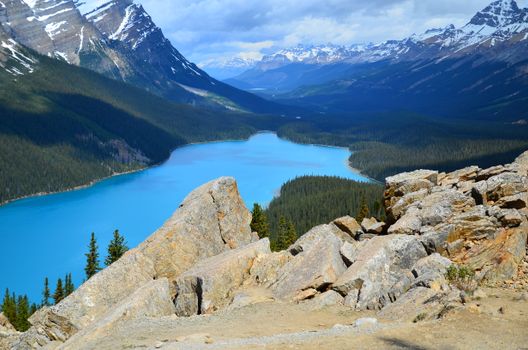
Western Canada, encompassing British Columbia and Alberta, is a realm of unparalleled natural beauty, making it one of the best places to visit in Canada for outdoor enthusiasts. The Rocky Mountains dominate this region, offering a dramatic backdrop of snow-capped peaks, turquoise lakes, and ancient glaciers. Banff National Park, Canada's first national park, is a jewel in Alberta's crown. Here, Lake Louise and Moraine Lake captivate visitors with their stunning blue waters, framed by towering mountains. Activities abound, from hiking and canoeing in summer to skiing and snowboarding in winter. The charming town of Banff itself offers a cozy base with excellent dining and shopping options, alongside natural hot springs for relaxation. Just a short drive away, Jasper National Park provides a more rugged, less crowded experience, featuring the Columbia Icefield, Maligne Canyon, and an abundance of wildlife including elk, bears, and bighorn sheep. The Icefields Parkway, connecting Banff and Jasper, is consistently ranked as one of the most scenic drives in the world, with numerous viewpoints and hiking trails along its route. Adventure travel through these parks promises breathtaking vistas at every turn. British Columbia, to the west, transitions from the majestic Rockies to coastal rainforests and vibrant urban centres. Vancouver, a cosmopolitan city nestled between mountains and ocean, offers a unique blend of natural beauty and urban sophistication. Stanley Park, one of North America's largest urban parks, provides stunning views, walking trails, and cultural landmarks. Granville Island Market is a foodie's paradise, while Gastown's historic charm and vibrant nightlife are not to be missed. Further north on Vancouver Island, Victoria, the provincial capital, enchants with its British colonial architecture, beautiful Butchart Gardens, and whale-watching opportunities. Tofino, on the island's west coast, is a surf mecca known for its wild beaches, ancient rainforests, and storm-watching in winter. The Sea-to-Sky Highway, linking Vancouver to Whistler, is another iconic drive, leading to a world-class ski resort that transforms into a mountain biking and hiking paradise in the summer. This region truly offers a diverse array of experiences, solidifying its reputation as a prime destination among the best places to visit in Canada.

Discovering Central Canada's Urban and Cultural Tapestry

A picturesque view of Quebec City featuring its historic church with autumn foliage. Photo: Abdel Achkouk / Pexels
Central Canada, primarily Ontario and Quebec, offers a rich blend of urban sophistication, historical depth, and cultural vibrancy, making these provinces essential stops when considering the best places to visit in Canada. Toronto, Ontario's capital and Canada's largest city, is a dynamic metropolis celebrated for its diversity, arts scene, and iconic landmarks. The CN Tower offers panoramic views of the city and Lake Ontario, while the Royal Ontario Museum and the Art Gallery of Ontario showcase world-class collections. Neighbourhoods like Kensington Market and the Distillery District buzz with unique shops, cafes, and historic architecture. Just a short drive away, Niagara Falls stands as one of the world's most spectacular natural wonders, drawing millions of visitors annually. Boat tours take you right to the base of the Horseshoe Falls, providing an unforgettable, thunderous experience. The surrounding Niagara-on-the-Lake region is renowned for its picturesque vineyards and charming town. Quebec, with its distinct French heritage, offers a completely different cultural flavour. Montreal, the province's largest city, is a captivating blend of old and new. Old Montreal, with its cobblestone streets, Notre-Dame Basilica, and European charm, feels like a step back in time, while the modern downtown boasts a vibrant arts scene, excellent cuisine, and underground city. Festivals, from jazz to comedy, fill the city's calendar year-round. Quebec City, the provincial capital, is truly a fairy-tale destination. Its historic fortified walls, a UNESCO World Heritage site, enclose a charming Old Town brimming with narrow streets, historic buildings, and the iconic Fairmont Le Château Frontenac. A stroll along the Dufferin Terrace offers stunning views of the St. Lawrence River. The Gaspé Peninsula, further east, provides rugged coastal scenery and charming fishing villages for those seeking a more remote experience. The blend of vibrant city life and historical richness in Central Canada firmly establishes it as a top contender for the best places to visit in Canada.

The Atlantic Provinces and Northern Territories: Unique Canadian Experiences

A breathtaking view of a cliff by the ocean surrounded by lush greenery under a bright blue sky. Photo: Erik Mclean / Pexels
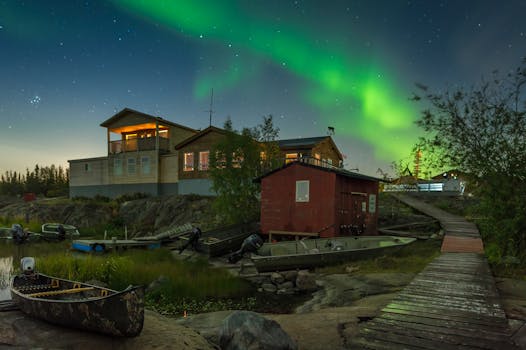
Venturing eastward to the Atlantic Provinces and northward to the vast territories reveals a Canada of rugged coastlines, rich maritime history, and breathtaking Arctic landscapes, offering some of the most unique and unforgettable experiences among the best places to visit in Canada. The Atlantic region, comprising Nova Scotia, New Brunswick, Prince Edward Island, and Newfoundland and Labrador, is renowned for its friendly hospitality, fresh seafood, and dramatic seascapes. Nova Scotia's Cabot Trail on Cape Breton Island is consistently ranked among the world's most scenic drives, winding through highlands and coastal villages with stunning ocean vistas. Halifax, the provincial capital, boasts a vibrant waterfront, historic sites like Citadel Hill, and lively pubs. Coastal adventures here are simply unparalleled. Prince Edward Island, Canada's smallest province, charms with its red sand beaches, pastoral landscapes, and the iconic Anne of Green Gables heritage. New Brunswick offers the Bay of Fundy, home to the highest tides in the world, where you can walk on the ocean floor at Hopewell Rocks. Newfoundland and Labrador, the easternmost province, offers dramatic fjords, iceberg alley, and the ancient Viking settlement of L'Anse aux Meadows, a UNESCO World Heritage site. Moving north, Canada's three territories – Yukon, Northwest Territories, and Nunavut – present an entirely different kind of adventure. This is the land of the Midnight Sun in summer and the spectacular Aurora Borealis in winter. Whitehorse, Yukon's capital, is the gateway to the Klondike gold rush history and vast wilderness. The Dempster Highway, a legendary gravel road, leads deep into the Arctic, offering unparalleled opportunities for wildlife viewing and experiencing the untouched wilderness. Yellowknife, the capital of the Northwest Territories, is known as the 'Diamond Capital of North America' and is one of the best places in the world to witness the Northern Lights. Its proximity to vast lakes and untouched nature makes it ideal for fishing, paddling, and exploring. Nunavut, Canada's newest and largest territory, offers a truly remote and culturally rich experience, deeply rooted in Inuit traditions. Here, you can witness polar bears, whales, and participate in Arctic safaris. While challenging to access, these northern regions provide profound encounters with nature and culture that are unlike anywhere else, cementing their status as truly unique among the best places to visit in Canada.

Planning Your Canadian Adventure: Essential Tips

A hand scratches off a world map, revealing countries visited, symbolizing travel adventures. Photo: Lara Jameson / Pexels
Embarking on a journey to explore the best places to visit in Canada requires careful planning to maximize your experience. Given Canada's immense size and diverse geography, understanding logistics is key. Here are some essential tips to ensure a smooth and memorable trip: * **Consider the Season Wisely:** Canada experiences four distinct seasons, each offering unique attractions. Summer (June-August) is ideal for outdoor activities, hiking, and exploring cities, but also the busiest. Fall (September-October) brings stunning foliage, especially in Eastern Canada. Winter (November-March) is perfect for skiing, snowboarding, and witnessing the Northern Lights. Spring (April-May) sees melting snow and blossoming nature. Your choice of season will heavily influence what you can do and see. * **Understand Distances and Transportation:** Canada is vast. Driving across the country can take weeks. For inter-province travel, especially between major regions, flying is often the most practical option. Within regions, driving allows for flexibility and access to scenic routes. VIA Rail offers cross-country train journeys, providing a unique way to see the landscape. * **Budget Appropriately:** Canada can be an expensive destination, particularly in major cities and popular tourist areas like Banff. Factor in costs for accommodation, food, activities, and transportation. Booking in advance can often secure better rates, especially for popular attractions and hotels during peak season. * **Pack for All Weather:** Even in summer, mountain regions can experience sudden temperature drops. Layers are always a good idea. If visiting in winter, invest in warm, waterproof outerwear, insulated boots, hats, and gloves. * **Learn Basic French (for Quebec):** While English is widely spoken in Quebec, especially in Montreal, making an effort to speak a few French phrases (Bonjour, Merci, S'il vous plaît) will be appreciated and enhance your cultural immersion. * **Respect Wildlife and Nature:** When exploring national parks and wilderness areas, remember you are in wildlife habitat. Maintain a safe distance from animals, store food properly, and follow all park regulations. Leave no trace behind. * **Check Entry Requirements:** Ensure your passport is valid and check if you need a visa or an Electronic Travel Authorization (eTA) before your trip. International travel planning should always begin with this step. * **Stay Connected:** Consider purchasing a local SIM card or an eSIM to stay connected, especially if you plan to navigate using GPS or need to access information on the go. This can be invaluable when exploring remote areas. By keeping these tips in mind, you can better navigate the diverse offerings of Canada and craft an itinerary that truly captures the essence of this magnificent country, ensuring your journey to the best places to visit in Canada is as smooth as it is spectacular.

Comparison

FeatureWestern CanadaCentral CanadaAtlantic Canada
LandscapeMajestic Mountains, Glacial Lakes, Pacific CoastVibrant Cities, Great Lakes, Rural CharmRugged Coastlines, Maritime Culture, Historic Towns
Primary ActivitiesHiking, Skiing, Wildlife Viewing, CanoeingCity Exploration, Cultural Events, Foodie ToursWhale Watching, Seafood Feasts, Lighthouse Tours
Best Time to VisitSummer (Hiking), Winter (Skiing)Summer (Festivals), Fall (Foliage)Summer (Warmest), Fall (Foliage)
Cost LevelHigh (especially Banff/Vancouver)Moderate to High (Toronto/Montreal)Moderate
Unique ExperienceRocky Mountain vistas, bear sightingsFrench-Canadian culture, Niagara FallsIceberg Alley, highest tides
AccessibilityGood for major parks/citiesExcellent, well-connected citiesGood for coastal drives, less dense transit

What Readers Say

"Visiting the Canadian Rockies was a dream come true! Banff and Jasper truly are among the best places to visit in Canada for nature lovers. The turquoise lakes and hiking trails were breathtaking."

Sarah J. · Seattle, WA

"Montreal and Quebec City offered an incredible blend of European charm and North American vibrancy. The food, the history, the festivals – Canada's cities are certainly top-tier destinations."

Marc P. · Paris, France

"The Cabot Trail in Nova Scotia was even more stunning than I imagined. The coastal views and friendly locals made it an unforgettable journey. Highly recommend for anyone exploring the best places to visit in Canada."

Emily R. · London, UK

"Vancouver was fantastic, a great mix of city and nature. While the weather was a bit unpredictable, the food scene and Stanley Park more than made up for it. Definitely a contender for the best places to visit in Canada."

David L. · Sydney, AU

"Witnessing the Northern Lights in Yellowknife was a once-in-a-lifetime experience. The vast, untouched wilderness of the Canadian North offers a profound connection to nature that you won't find anywhere else."

Maria K. · Berlin, DE

Frequently Asked Questions

What is the absolute best time of year to visit Canada?

The 'best' time to visit Canada largely depends on your interests. For outdoor activities like hiking and exploring cities, summer (June to August) is ideal due to warm weather and long daylight hours. For skiing and seeing the Northern Lights, winter (December to March) is perfect. Fall (September to October) offers stunning foliage, especially in Eastern Canada, and fewer crowds.

Is Canada safe for solo travelers?

Yes, Canada is widely considered one of the safest countries in the world for solo travelers. Major cities and tourist areas are generally very safe, and Canadians are known for their friendliness. As with any travel, exercising general caution and being aware of your surroundings is always recommended, especially at night.

How do I get around Canada given its vast size?

For long distances between major regions (e.g., Vancouver to Toronto), flying is the most efficient option. Within provinces or specific regions, driving offers the most flexibility for exploring scenic routes and smaller towns. VIA Rail provides a unique, scenic train journey across the country, though it can be time-consuming. Bus services are also available for inter-city travel.

What is the average cost of a trip to Canada?

The cost of a trip to Canada varies significantly based on your travel style, duration, and chosen destinations. A moderate budget for a week might range from CAD 1,500 to CAD 3,000 per person, excluding international flights. This includes accommodation, food, some activities, and local transportation. Luxury travel or extensive tours will naturally be more expensive.

How does Canada compare to the US for nature and outdoor activities?

Both Canada and the US offer incredible natural beauty and outdoor activities, but Canada often boasts a more pristine, less crowded wilderness experience, especially in its national parks and northern territories. Canada's landscapes are often characterized by vast, untouched forests, dramatic mountain ranges like the Rockies, and extensive coastlines, providing a unique sense of rugged adventure.

Who should prioritize visiting the Canadian Rockies?

The Canadian Rockies should be a top priority for anyone passionate about hiking, mountaineering, photography, wildlife viewing, and majestic alpine scenery. It's perfect for active travelers, nature enthusiasts, and those seeking awe-inspiring landscapes, whether for summer adventures or winter sports. Families and couples looking for scenic beauty will also find it incredibly rewarding.

Are there any health or safety risks to be aware of when visiting Canada?

Canada is generally very safe. Health risks are minimal, but it's always wise to have travel insurance. In wilderness areas, be aware of wildlife (bears, moose) and take precautions like carrying bear spray and making noise on trails. Follow park guidelines for safe exploration. Tap water is safe to drink nationwide.

What emerging travel trends are shaping visits to the best places in Canada?

Sustainable and responsible tourism is a growing trend, with travelers seeking eco-friendly accommodations and experiences that support local communities. Indigenous tourism is also gaining prominence, offering authentic cultural insights. Additionally, a focus on slower, more immersive travel, exploring specific regions in depth rather than rushing through many, is becoming popular.

Ready to embark on an unforgettable journey? Use this comprehensive guide to explore the best places to visit in Canada, tailor your adventure, and create memories that will last a lifetime. Canada awaits your discovery!

Topics: best places to visit in canadaCanada travel guideCanadian destinationstravel Canadaiconic Canadian sights
Leo List
Brampton weed
Adultwork