✓ Canada boasts 38 National Parks and 10 National Park Reserves, covering over 340,000 square kilometers.
✓ Banff National Park, established in 1885, is Canada's oldest and most visited national park.
✓ Five of Canada's National Parks are also UNESCO World Heritage Sites, recognized for their outstanding universal value.
✓ Parks Canada offers a Discovery Pass for unlimited entry to all national parks for a full year.
How It Works
1
Choose Your Region
Canada is vast, so narrow down your search by considering specific regions like the Rockies, Atlantic, or Arctic. Each region offers distinct landscapes and experiences.
2
Define Your Adventure Style
Are you seeking challenging hikes, wildlife viewing, serene paddling, or cultural experiences? Your interests will guide you to the perfect park for your trip.
3
Research Park Specifics
Once you have a park in mind, delve into its unique offerings, seasonal considerations, permit requirements, and accommodation options. Early planning is key for popular parks.
4
Book & Prepare
Secure your accommodations, permits, and transportation well in advance, especially during peak season. Pack appropriate gear for the weather and activities you plan to enjoy.
Exploring the Majestic Canadian Rocky Mountain Parks
Photo: Nunzio Guerrera / Pexels
When considering the best national parks to visit in Canada, the Canadian Rockies invariably top the list for many travelers, and for good reason. This iconic mountain range, stretching across Alberta and British Columbia, is home to a collection of world-renowned national parks that offer some of the most breathtaking scenery on Earth. Banff National Park, Canada's first national park, is often the star of the show. Its turquoise glacial lakes like Lake Louise and Moraine Lake, towering peaks, and abundant wildlife draw millions each year. Visitors can enjoy an array of activities from hiking legendary trails such as the Plain of Six Glaciers, to paddling on serene waters, or exploring the vibrant town of Banff itself. The park is also a haven for wildlife enthusiasts, with opportunities to spot elk, bighorn sheep, and even bears in their natural habitat. Just north of Banff lies Jasper National Park, the largest national park in the Canadian Rockies. Jasper offers a slightly wilder, less crowded experience while still providing equally stunning landscapes. The Icefields Parkway, a scenic highway connecting Banff and Jasper, is a destination in itself, boasting numerous viewpoints, waterfalls, and access to the Athabasca Glacier. In Jasper, don't miss the chance to explore Maligne Lake, go whitewater rafting on the Athabasca River, or stargaze in the world's second-largest Dark Sky Preserve. These parks are not just about grand vistas; they offer deep opportunities for connection with nature. Yoho National Park, nestled on the western slopes of the Rockies in British Columbia, is another gem. Smaller than Banff and Jasper, Yoho packs a punch with its vertical rock walls, spectacular waterfalls like Takakkaw Falls, and the renowned turquoise waters of Emerald Lake. Kootenay National Park, also in British Columbia, offers a diverse landscape ranging from glaciers to semi-arid grasslands, and is famous for its hot springs at Radium. Together, these parks form a significant portion of a UNESCO World Heritage Site, recognized for their outstanding natural beauty and ecological importance. Planning a trip to these parks requires thoughtful consideration of the season, as each offers unique experiences. Summer is ideal for hiking and water activities, while autumn brings stunning fall foliage and fewer crowds. Winter transforms the landscape into a snowy wonderland, perfect for skiing, snowboarding, and ice skating. Regardless of when you visit, these Rocky Mountain parks promise an unforgettable adventure, showcasing why they are consistently ranked among the best national parks to visit in Canada. Remember to check Parks Canada for current conditions and reservation details before your trip. Exploring the Canadian Rockies is an experience that stays with you long after you've left its majestic peaks.
Coastal Wonders and Eastern Escapes: Parks Beyond the Mountains
Photo: Jeffrey Eisen / Pexels
While the Rockies often grab the spotlight, Canada's other regions offer equally compelling national park experiences, solidifying their place among the best national parks to visit in Canada. On the East Coast, the maritime provinces boast a unique charm and rugged beauty that is perfectly preserved in their national parks. Cape Breton Highlands National Park in Nova Scotia is a prime example. Here, the mountains meet the sea, offering dramatic coastal vistas, deep river canyons, and lush forests. Driving the world-famous Cabot Trail through the park is an experience in itself, with numerous lookouts providing panoramic views of the Gulf of St. Lawrence. Hiking trails range from easy strolls to challenging climbs, with Skyline Trail being a perennial favorite for its iconic boardwalk and whale-watching opportunities. The park's Acadian culture also adds a rich layer to the visitor experience, with vibrant communities and delicious seafood. Further south, Fundy National Park in New Brunswick is home to the world's highest tides, a truly awe-inspiring natural phenomenon. Visitors can witness the dramatic ebb and flow of the Bay of Fundy, explore the ocean floor at low tide, and kayak among the towering sea stacks at high tide. The park also offers extensive hiking trails through Acadian forests, leading to waterfalls and scenic lookouts. It's an excellent destination for those seeking a blend of coastal exploration and forest adventures. Moving inland, but still in Eastern Canada, La Mauricie National Park in Quebec offers a quintessential Canadian Shield landscape of rolling hills, dense forests, and countless lakes and rivers. This park is a paddler's paradise, with extensive canoe routes and backcountry camping opportunities. It's a fantastic place to observe wildlife, including moose, beavers, and black bears, and to immerse oneself in the tranquility of nature. The park also provides opportunities for cycling, hiking, and in winter, cross-country skiing and snowshoeing. On the West Coast, Pacific Rim National Park Reserve on Vancouver Island, British Columbia, presents a different kind of coastal wonder. This park is divided into three distinct units: Long Beach, the Broken Group Islands, and the West Coast Trail. Long Beach is famous for its expansive sandy shores, powerful surf, and ancient rainforests, making it a popular spot for surfing, storm watching, and beachcombing. The Broken Group Islands offer unparalleled sea kayaking adventures among hundreds of small islands and islets. The West Coast Trail, a challenging multi-day backpacking route, is a bucket-list item for experienced hikers, traversing rugged coastline, old-growth forests, and sandy beaches. Each of these parks, from the dramatic cliffs of Cape Breton to the tidal extremes of Fundy and the ancient rainforests of Pacific Rim, showcases the incredible diversity of Canada's natural heritage. They are vital for understanding why Canada is considered a premier destination for those seeking the best national parks to visit in Canada, offering experiences far removed from the mountainous grandeur of the Rockies.
Northern Frontiers and Unique Ecosystems: Beyond the Beaten Path
Photo: Daniel Battersby / Pexels
For the adventurous traveler seeking truly unique experiences, Canada's northern and more remote national parks offer unparalleled opportunities to connect with wilderness on a profound level. These parks, while perhaps less accessible than their southern counterparts, represent some of the best national parks to visit in Canada for those craving solitude, untouched landscapes, and extraordinary wildlife encounters. Gros Morne National Park in Newfoundland and Labrador is a UNESCO World Heritage Site that presents a geological marvel. Here, you can literally walk on the Earth's mantle, a rare phenomenon that has attracted geologists and nature lovers alike. The park's landscape is a dramatic blend of soaring fjords, barren mountains, and lush forests. Western Brook Pond, a freshwater fjord, offers boat tours that navigate between towering cliffs, revealing breathtaking waterfalls and ancient geological formations. Hiking trails like the iconic Gros Morne Mountain summit trail provide challenging ascents with rewarding panoramic views. The park's unique ecosystem, influenced by its coastal location and geological history, supports diverse flora and fauna, making every visit a discovery. Further north, the vast and rugged expanses of Canada's Arctic and sub-Arctic national parks offer experiences unlike anywhere else. While requiring significantly more planning and often specialized tour operators, parks like Auyuittuq National Park on Baffin Island, Nunavut, provide access to towering granite peaks, massive glaciers, and deep fjords. This is a land of continuous daylight in summer and the mesmerizing aurora borealis in winter, where polar bears, seals, and narwhals roam. These parks are not for the faint of heart but promise an expedition into a truly wild and untamed environment, a testament to Canada's commitment to preserving its northern heritage. Similarly, Ivvavik National Park in Yukon, accessible primarily by chartered aircraft, protects a pristine wilderness of mountains, rivers, and tundra. It's a critical calving ground for the Porcupine caribou herd and offers incredible opportunities for wilderness canoeing, hiking, and wildlife viewing in a landscape that has seen minimal human impact. These northern parks embody the spirit of raw exploration and offer profound insights into the resilience of life in extreme environments. While planning a trip to these remote destinations, it's crucial to consider the logistics, weather conditions, and the need for self-sufficiency. Many require permits, specialized gear, and a high level of outdoor experience. However, the reward is an immersion into some of the most spectacular and untouched natural areas on the planet, solidifying their status as truly exceptional and best national parks to visit in Canada. They offer a stark contrast to the more developed parks, providing a glimpse into Canada's wild heart. For those seeking such a profound connection with nature, these parks are an unparalleled adventure. Planning your remote adventure requires extensive research and preparation.
Maximizing Your National Park Experience: Tips and Common Mistakes
Photo: Elizabeth Iris / Pexels
To truly make the most of your journey to the best national parks to visit in Canada, a little foresight and preparation go a long way. These tips will help ensure a safe, enjoyable, and memorable trip, while also highlighting common pitfalls to avoid.
**Tips for a Successful Trip:**
* **Plan Ahead, Especially for Popular Parks:** During peak season (summer), popular parks like Banff, Jasper, and Pacific Rim can get very crowded. Book accommodations, campsites, and any guided tours or specific activities (like boat tours on Lake Louise or Western Brook Pond) months in advance. Entry passes or day-use reservations are also becoming more common; check the Parks Canada website for specific requirements.
* **Embrace the Off-Season:** Consider visiting in spring or fall. You'll encounter fewer crowds, often find better deals on accommodation, and witness unique seasonal beauty (wildflowers in spring, vibrant foliage in autumn). Some facilities might have reduced hours or be closed, so research accordingly.
* **Get a Parks Canada Discovery Pass:** If you plan to visit multiple national parks or reserves within a year, the annual Discovery Pass is a cost-effective option, offering unlimited entry. It pays for itself quickly if you're visiting more than two or three parks.
* **Pack Appropriately for All Weather:** Canadian weather, especially in mountainous or coastal regions, can be unpredictable. Be prepared for sudden changes in temperature, rain, or even snow, regardless of the season. Layers are key.
* **Leave No Trace:** Practice Leave No Trace principles. Pack out everything you pack in, stay on marked trails, respect wildlife, and minimize your impact on the environment. This ensures these beautiful places remain pristine for future generations.
* **Learn About Wildlife Safety:** Canada's national parks are home to diverse wildlife, including bears, elk, and coyotes. Educate yourself on how to safely observe wildlife, carry bear spray in bear country, and know what to do in an encounter.
* **Utilize Park Resources:** Parks Canada visitor centers and websites are invaluable resources for trail conditions, weather updates, safety alerts, and local information. Park staff are experts and can offer personalized recommendations.
**Common Mistakes to Avoid:**
* **Underestimating Distances:** Canada is vast. Driving between parks or even within a single large park can take much longer than anticipated. Factor in travel time and consider the size of the country when planning your itinerary.
* **Not Booking Accommodations in Advance:** This is especially true for popular parks. Showing up without a reservation, particularly for camping, can lead to disappointment and scrambling for last-minute, expensive alternatives outside the park.
* **Ignoring Park Regulations:** Regulations are in place for your safety and the protection of the environment. This includes speed limits, wildlife viewing distances, fire bans, and drone usage. Fines can be hefty, and more importantly, you could put yourself or others at risk.
* **Only Sticking to Famous Spots:** While iconic locations are popular for a reason, don't be afraid to explore lesser-known trails or areas. You might discover hidden gems and avoid the biggest crowds.
* **Not Preparing for Limited Connectivity:** Cell service can be spotty or non-existent in many national parks. Download maps, important documents, and emergency contacts offline before you go. Consider a satellite communication device for remote backcountry trips.
* **Feeding Wildlife:** Never feed wildlife. It habituates animals to humans, which can lead to aggressive behavior and often results in the animal having to be relocated or, in tragic cases, euthanized. It's harmful to both humans and animals. Following these guidelines will significantly enhance your experience in the best national parks to visit in Canada, allowing you to fully immerse yourself in their natural splendor.
Comparison
Feature
Banff National Park
Gros Morne National Park
Cape Breton Highlands NP
Primary Landscape
Glacial mountains, turquoise lakes
Fjords, barren mountains, forests
Mountains, coastal cliffs, forests
Key Activities
Hiking, paddling, skiing, wildlife
Hiking, boat tours, geology, fishing
Scenic drives, hiking, whale watching
Crowd Level (Peak)
Very High
Moderate
Moderate-High
UNESCO Site
✓
✓
✗
Best Time to Visit
Summer (hiking), Winter (skiing)
Summer (hiking, boat tours)
Summer/Fall (Cabot Trail)
Unique Feature
Iconic Lake Louise & Moraine Lake
Walk on Earth's mantle, freshwater fjords
Cabot Trail, Highlands-meets-ocean
What Readers Say
★★★★★
"Visiting the best national parks to visit in Canada was a dream come true. Banff and Jasper blew me away with their sheer scale and beauty. Every turn offered a new, breathtaking vista, and the wildlife encounters were unforgettable."
Sarah J. · Toronto, ON
★★★★★
"We spent two weeks exploring the East Coast parks, and they truly are some of the best national parks to visit in Canada. Fundy's tides were mesmerizing, and the Cabot Trail in Cape Breton Highlands was one of the most scenic drives of my life. Highly recommend for a different kind of adventure."
Mark D. · Seattle, WA
★★★★★
"Thanks to this guide, we chose Gros Morne and were absolutely captivated. The boat tour on Western Brook Pond felt like stepping into another world. It was a truly unique experience that delivered on every promise of Canadian wilderness."
Emily R. · London, UK
★★★★★
"While Banff can get quite busy, especially Lake Louise, the sheer beauty makes it one of the best national parks to visit in Canada. We found solace on some of the less-trafficked trails and were rewarded with incredible views and quiet moments."
David L. · Calgary, AB
★★★★★
"As an avid hiker, the West Coast Trail in Pacific Rim National Park Reserve was a bucket list item. The challenge, the rugged beauty, and the feeling of accomplishment made it one of the best national parks to visit in Canada for an immersive backcountry experience."
Jessica M. · Vancouver, BC
Frequently Asked Questions
Which are the most popular best national parks to visit in Canada?
Banff and Jasper National Parks in the Canadian Rockies are consistently the most popular due to their stunning mountain scenery, glacial lakes, and extensive recreational opportunities. Pacific Rim National Park Reserve and Cape Breton Highlands National Park also attract significant numbers of visitors, offering unique coastal experiences.
Do I need a pass to enter Canada's national parks?
Yes, a valid Parks Canada pass is required for entry to all national parks and national park reserves. You can purchase daily passes or an annual Discovery Pass, which offers unlimited entry to all Parks Canada places for a full year. Passes can be bought online or at park gates.
How do I book camping or accommodations in national parks?
Camping and accommodation reservations for most national parks open in early spring (January-April) for the upcoming summer season and often book up very quickly, especially for popular sites. It's highly recommended to book as soon as reservations become available via the Parks Canada reservation service website or specific park concessionaires.
What is the best time of year to visit the best national parks in Canada?
The 'best' time depends on your desired activities. Summer (June-September) is ideal for hiking, paddling, and warmer weather, but also sees the largest crowds. Spring (May-June) offers wildflowers and fewer people, while Fall (September-October) brings stunning foliage and cooler temperatures. Winter (November-April) is perfect for snow sports and unique snowy landscapes.
Are there any free national parks in Canada?
While entry to the parks generally requires a fee, Parks Canada often offers free entry to certain designated groups (e.g., youth 17 and under) or during special celebratory years. However, the standard expectation is to purchase a pass for entry, which directly supports the conservation and maintenance of these protected areas.
Who should visit Canada's national parks?
Canada's national parks cater to a wide range of visitors, from families seeking accessible nature experiences to seasoned adventurers looking for multi-day backcountry treks. They are ideal for nature lovers, photographers, hikers, paddlers, wildlife enthusiasts, and anyone looking to escape urban life and reconnect with the natural world, making them the best national parks to visit in Canada for diverse interests.
Is it safe to encounter wildlife in national parks?
Most wildlife encounters in national parks are safe if visitors follow guidelines. Always maintain a safe distance, never feed animals, and be aware of your surroundings, especially in bear country. Carry bear spray and know how to use it. Parks Canada provides detailed safety information for each park.
What future trends are impacting visits to Canada's national parks?
Future trends include increased demand leading to more reservation systems for popular areas, a focus on sustainable tourism practices, and enhanced digital resources for planning. There's also a growing emphasis on Indigenous tourism experiences and climate change adaptation strategies to protect these valuable ecosystems.
Embark on an unforgettable journey through Canada's most spectacular natural wonders. With this guide to the best national parks to visit in Canada, you're now equipped to plan the adventure of a lifetime, discovering breathtaking landscapes and creating cherished memories. Start planning your Canadian national park escape today!

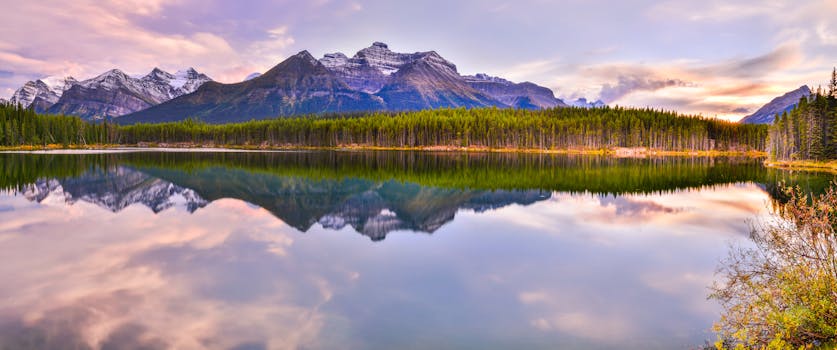 Photo: Nunzio Guerrera / Pexels
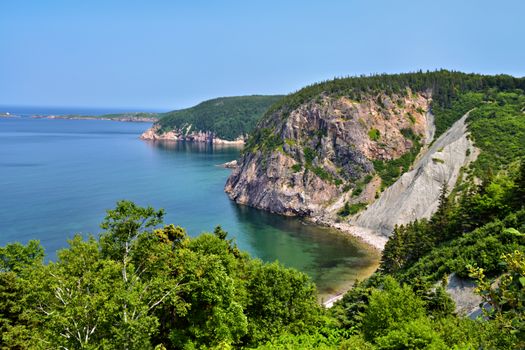 Photo: Jeffrey Eisen / Pexels
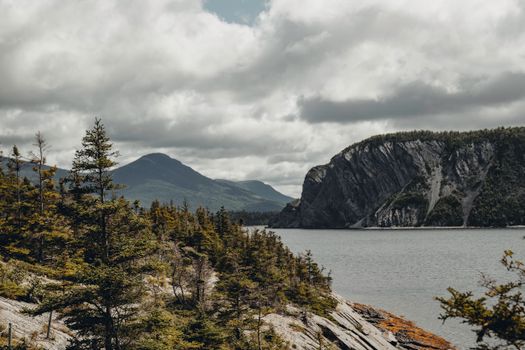 Photo: Daniel Battersby / Pexels
 Photo: Elizabeth Iris / Pexels