Discover the Best National Parks in Canada: Your Ultimate Guide
best national parks in canada

Discover the Best National Parks in Canada: Your Ultimate Guide

Embark on an unforgettable journey through Canada's most stunning natural treasures and plan your perfect adventure.

Start Your Adventure

Key Takeaways

  • ✓ Canada boasts 38 National Parks, 10 National Park Reserves, and 1 National Urban Park.
  • ✓ Banff National Park, established in 1885, is Canada's first national park.
  • ✓ Parks Canada manages over 450,000 square kilometers of protected lands and waters.
  • ✓ Many national parks offer free entry for youth under 18.

How It Works

1
Choose Your Destination

Research the best national parks in Canada that align with your interests, whether it's hiking, wildlife viewing, or water activities. Consider the region and climate.

2
Plan Your Trip Logistics

Book accommodation (camping or lodging), check park entry requirements, and research necessary permits for specific activities. Always check park-specific regulations.

3
Pack Smartly

Prepare for varying weather conditions with layers, sturdy footwear, and essential gear like navigation tools, first-aid, and sufficient food and water. Leave no trace principles are crucial.

4
Explore and Enjoy

Immerse yourself in the natural beauty, follow designated trails, respect wildlife, and embrace the unique experiences each park offers. Capture memories responsibly.

Unveiling the Majestic Canadian Rockies National Parks
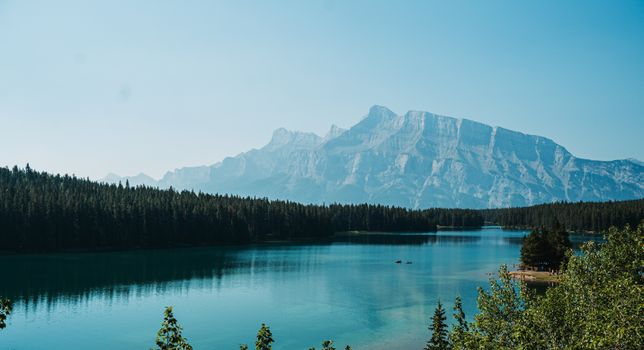
A breathtaking view of a clear lake with majestic mountains and dense forests at Banff National Park. Photo: Jacob Postuma / Pexels
When envisioning the best national parks in Canada, the iconic Canadian Rockies often come to mind first, and for good reason. This UNESCO World Heritage site encompasses a collection of parks that are synonymous with dramatic mountain peaks, turquoise lakes, ancient glaciers, and abundant wildlife. Banff National Park, Canada's first national park, is a jewel in this crown. Its allure lies in its accessibility, stunning vistas like Lake Louise and Moraine Lake, and a wide array of activities from world-class skiing in winter to extensive hiking and canoeing in summer. The town of Banff itself offers a vibrant base for exploration, with charming shops, restaurants, and hot springs. However, its popularity means it can get crowded, especially during peak season, so advance planning for accommodations and activities is crucial. Just north of Banff, Jasper National Park beckons with a wilder, more rugged appeal. It's the largest national park in the Canadian Rockies and offers unparalleled opportunities for wildlife viewing – elk, bears, and bighorn sheep are common sights. The Icefields Parkway, a scenic highway connecting Banff and Jasper, is an experience in itself, offering access to numerous viewpoints, hiking trails, and the Athabasca Glacier. Jasper's dark sky preserve status also makes it an incredible destination for stargazing. Yoho National Park, nestled between Banff and Kootenay, is often overlooked but equally spectacular. Its name, a Cree expression of awe and wonder, perfectly describes its landscapes, including the majestic Takakkaw Falls, the stunning Emerald Lake, and the intriguing Natural Bridge. Kootenay National Park, sharing a border with Banff and Yoho, offers a diverse landscape ranging from glaciers to semi-arid grasslands, with highlights like the Radium Hot Springs and the Paint Pots. Each of these parks offers unique experiences, but together they form an unparalleled wilderness expanse that truly represents the pinnacle of Canadian natural beauty. Exploring these parks requires a Parks Canada Discovery Pass for extended stays, which offers excellent value. Remember to always check for trail conditions and bear activity, especially when venturing into more remote areas. The sheer scale and grandeur of the Rockies demand respect and careful preparation, but the rewards are immeasurable. Whether you're an experienced mountaineer or a casual sightseer, these parks offer something for every level of adventurer, making them undeniably among the best national parks to visit in Canada.

Coastal Wonders and Maritime Marvels: East Coast National Parks
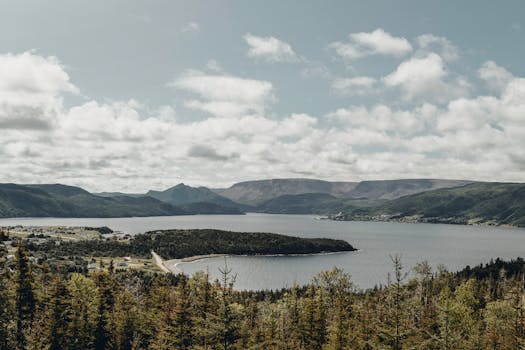
Vibrant summer landscape of Norris Point, NL with lush forests and tranquil lake. Photo: Daniel Battersby / Pexels
Shifting our gaze eastward, Canada's Atlantic provinces host a collection of national parks that offer a stark yet equally breathtaking contrast to the mountainous west. These parks are defined by their rugged coastlines, rich maritime history, vibrant fishing villages, and unique ecosystems. Gros Morne National Park in Newfoundland and Labrador is a UNESCO World Heritage site renowned for its dramatic fjords, towering cliffs, and a geological landscape that provides a rare glimpse into the Earth's mantle. Western Brook Pond, a freshwater fjord carved by glaciers, is a must-see, accessible by a stunning boat tour. The park also offers exceptional hiking, including the challenging climb up Gros Morne Mountain, rewarding hikers with panoramic views of the Long Range Mountains. Its unique geology makes it a prime location for understanding plate tectonics, offering a truly educational and awe-inspiring experience. Further south, in Nova Scotia, Cape Breton Highlands National Park captivates visitors with its world-famous Cabot Trail, one of the most scenic drives on the planet. This park is where the mountains meet the sea, offering dramatic coastal vistas, lush forests, and picturesque fishing villages. Hiking trails range from easy strolls to challenging ascents, with the Skyline Trail being a popular choice for its breathtaking clifftop views and potential for moose sightings. The park also celebrates Acadian culture, adding another layer of richness to the visitor experience. In Prince Edward Island, Prince Edward Island National Park protects a significant portion of the island's iconic red sand beaches, dunes, and salt marshes. It's a haven for birdwatchers and beach lovers, offering opportunities for swimming, cycling along the Gulf Shore Way, and exploring historic lighthouses. The park's gentle beauty and relaxed atmosphere make it an ideal destination for families and those seeking a tranquil escape. Finally, Fundy National Park in New Brunswick is home to the world's highest tides, a phenomenon that reshapes the coastline dramatically twice a day. Visitors can explore the ocean floor at low tide, discovering marine life and unique geological formations, then watch as the bay rapidly fills. The park also features extensive hiking trails, waterfalls, and opportunities for kayaking and canoeing on its inland lakes. These East Coast national parks, while less rugged than their western counterparts, offer equally profound and memorable experiences, showcasing the diverse natural heritage that makes Canada so special. Each park tells a unique story of geological processes, ecological diversity, and cultural history, inviting visitors to connect with the landscape in deeply meaningful ways. The coastal air, the sound of crashing waves, and the rich marine ecosystems provide a refreshing perspective on the concept of wilderness and are undoubtedly some of the best national parks in Canada for a truly unique adventure.

Northern Frontiers and Pristine Wilderness: Remote Canadian Parks
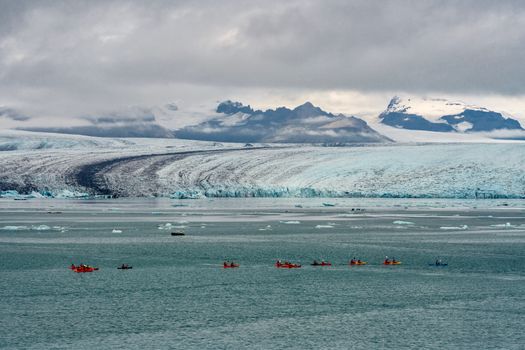
Adventurers kayaking near Vatnajökull Glacier in Iceland's dramatic landscape. Photo: Susanne Jutzeler, suju-foto / Pexels
Beyond the more accessible and well-known parks, Canada is home to a collection of northern and remote national parks that offer unparalleled opportunities for true wilderness immersion and adventure. These parks are often less visited, requiring more extensive planning and a greater commitment to travel, but they reward intrepid explorers with landscapes of untouched beauty and profound solitude. Auyuittuq National Park in Nunavut, meaning 'land that never melts,' exemplifies this. Located on Baffin Island, it is a land of towering granite peaks, deep fjords, and vast ice caps. This park is a destination for experienced mountaineers, Arctic trekkers, and those seeking an extreme wilderness experience. Access is primarily by chartered flight or boat, and visitors must be self-sufficient and prepared for challenging conditions. The Akshayuk Pass, a 97-kilometer trek, is a world-renowned route for serious backpackers, offering views of glacial valleys and unique Arctic wildlife. This park provides a raw, unfiltered encounter with the Arctic environment, showcasing its immense power and delicate beauty. Further west, Nahanni National Park Reserve in the Northwest Territories is another UNESCO World Heritage site, famous for its magnificent canyons, spectacular waterfalls (including Virginia Falls, nearly twice the height of Niagara Falls), and a unique tufa mound complex. The South Nahanni River, a Canadian Heritage River, carves its way through four immense canyons, making it a world-class destination for whitewater canoeing and rafting. Access to Nahanni is typically by floatplane, and guided trips are highly recommended due to the remote nature of the park. It's a place where you can truly disconnect from the modern world and connect with ancient landscapes and vibrant ecosystems. Wood Buffalo National Park, straddling the Alberta and Northwest Territories border, is Canada's largest national park and a UNESCO World Heritage site. It was established to protect the world's largest herd of free-roaming wood bison and is also the only known nesting site for the endangered whooping crane. The park's vast boreal forest, plains, and wetlands offer incredible opportunities for wildlife viewing, birdwatching, and exploring unique karst topography. Due to its immense size and diverse habitats, experiencing Wood Buffalo often involves multiple days of exploration, whether by vehicle on its limited road network or by canoe through its extensive waterways. These northern parks are not for the faint of heart, but for those who yearn for genuine wilderness, profound quiet, and a deep connection with nature, they represent the ultimate Canadian adventure. They are places where the scale of the landscape is humbling, and the sense of discovery is constant. Experiencing these remote areas requires careful planning, respect for the environment, and often, the guidance of experienced outfitters. They are truly among the most extraordinary and unforgettable national parks Canada has to offer, pushing the boundaries of conventional travel and offering a glimpse into the planet's wildest corners.

Planning Your Canadian National Park Adventure: Essential Tips
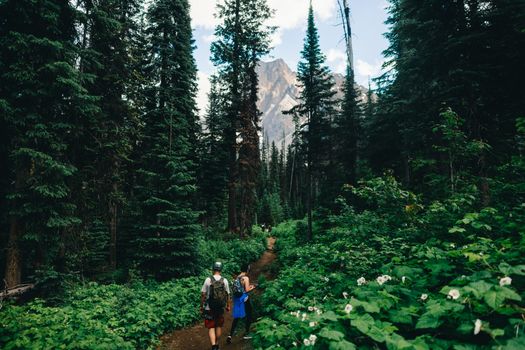
Explore the lush green hiking trails in Field, BC, surrounded by towering forests and mountains. Photo: Ali Kazal / Pexels
Embarking on a journey through Canada's national parks requires thoughtful preparation to ensure a safe, enjoyable, and responsible experience. Here are some essential tips to help you make the most of your adventure: * **Purchase a Parks Canada Pass:** For multiple park visits or extended stays, a Discovery Pass offers great value. It provides unlimited admission to national parks and national historic sites across Canada for one year. You can purchase it online or at park gates. For single visits, daily passes are available. Always check individual park fees for specific activities or permits. * **Book Accommodations in Advance:** Especially for popular parks like Banff and Jasper, camping spots and lodging fill up quickly, sometimes months in advance. Utilize the Parks Canada reservation system for campsites and research private accommodations in nearby towns. Spontaneity is charming, but not always practical in peak season. * **Be Bear Aware:** Canada's national parks are home to both black bears and grizzly bears. Carry bear spray, know how to use it, and make noise while hiking to avoid surprising a bear. Store food properly in bear-proof containers or lockers, and never feed wildlife. Familiarize yourself with bear encounter protocols. * **Dress in Layers:** Weather in the mountains and coastal regions can change rapidly, even in summer. Pack layers of clothing, including waterproof and windproof outerwear, sturdy hiking boots, and sun protection. Even on a sunny day, temperatures can drop significantly in the evening or at higher elevations. * **Leave No Trace Principles:** Practice the seven principles of Leave No Trace: Plan Ahead and Prepare; Travel and Camp on Durable Surfaces; Dispose of Waste Properly; Leave What You Find; Minimize Campfire Impacts; Respect Wildlife; and Be Considerate of Other Visitors. This ensures the parks remain pristine for future generations. * **Stay on Marked Trails:** Venturing off-trail can damage fragile ecosystems, disturb wildlife, and increase your risk of getting lost or injured. Respect trail closures and restrictions, which are often in place to protect sensitive areas or for visitor safety. * **Download Offline Maps:** Cell service can be unreliable or non-existent in many national parks. Download maps and essential information to your phone or carry physical maps and a compass. GPS devices can be invaluable. * **Check Park-Specific Regulations:** Each national park has its own unique rules and regulations regarding activities like fishing, campfires, pet policies, and drone usage. Always check the official Parks Canada website for the specific park you plan to visit before your trip. * **Hydrate and Fuel:** Carry plenty of water, especially on hikes, and pack high-energy snacks. Dehydration and lack of calories can quickly diminish your enjoyment and safety in the wilderness. * **Embrace the Silence:** While it's tempting to fill every moment with activity, take time to simply sit, observe, and absorb the natural beauty around you. The quiet solitude of Canada's national parks is one of their greatest gifts. By following these tips, you're not just planning a trip; you're preparing for an immersive experience in some of the best national parks in Canada, ensuring both your safety and the preservation of these incredible natural spaces.

Comparison

FeatureBanff National ParkGros Morne National ParkJasper National Park
Primary AttractionMountain scenery, lakesFjords, geological formationsWilderness, wildlife
AccessibilityVery HighModerateHigh
Best for Hiking
Best for Wildlife Viewing✓ (marine)
Best for Water ActivitiesCanoeing, raftingBoat tours, kayakingCanoeing, rafting
Crowd Level (Peak Season)HighModerateModerate-High
Unique FeatureHot springs, iconic lakesEarth's mantle exposureDark Sky Preserve

What Readers Say

"Banff truly exceeded my expectations. The turquoise lakes and towering mountains in the best national parks in Canada are even more stunning in person. We saw so much wildlife!"

Sarah L. · Toronto, ON

"Gros Morne was an absolute revelation. The boat tour on Western Brook Pond was breathtaking, unlike anything I've experienced in other national parks. Newfoundland's charm is undeniable."

Mark D. · Vancouver, BC

"Jasper offered the perfect blend of adventure and serenity. We hiked for days and saw a grizzly bear from a safe distance! It's one of the best national parks in Canada for nature lovers."

Emily R. · Calgary, AB

"Cape Breton Highlands was incredible, especially the Cabot Trail. While some areas were busy, finding quiet trails with stunning ocean views was easy. A truly unique East Coast gem."

David M. · Montreal, QC

"As an international traveler, exploring the best national parks in Canada like Yoho and Kootenay was a dream come true. The sheer scale of the Rockies is something everyone should witness."

Jessica T. · Seattle, WA

Frequently Asked Questions

What is the best time of year to visit Canada's national parks?

The best time largely depends on the park and your desired activities. For hiking and general sightseeing in the Rockies, June to September offers the warmest weather. Coastal parks like Gros Morne and Cape Breton are also best visited in summer or early fall. Winter offers unique opportunities for skiing and snowshoeing in some parks, but accessibility can be limited.

Are Canada's national parks accessible for all abilities?

Many national parks offer a range of accessible facilities, including paved trails, accessible viewpoints, and some accessible accommodations. Parks Canada is continually working to improve accessibility. It's best to check the specific park's website for detailed information on accessible trails and facilities before your visit.

How do I book camping or lodging in a national park?

Most camping and some lodging within national parks can be reserved through the Parks Canada reservation service online. Reservations typically open in January for the upcoming summer season and fill up very quickly for popular parks. Private lodging options in nearby towns can be booked directly through hotels or booking platforms.

What is the cost of entry to Canada's national parks?

Daily entry fees vary by park and type of visitor (adult, senior, family). A Parks Canada Discovery Pass offers unlimited entry to all national parks and national historic sites for one year and is often the most cost-effective option for multiple visits. Entry is free for youth under 18.

How do Canada's national parks compare to US national parks?

Both countries offer incredible natural beauty. Canadian national parks often boast vast, rugged wilderness with fewer developed areas, providing a more raw and expansive experience. They are generally less crowded than their US counterparts, especially outside of the peak Rocky Mountain parks. Wildlife viewing opportunities are abundant in both.

Who should visit the best national parks in Canada?

Anyone with an appreciation for nature, outdoor adventure, and breathtaking landscapes should visit. From casual sightseers and families to avid hikers, kayakers, wildlife photographers, and mountaineers, there's a national park experience for every type of traveler looking to connect with Canada's incredible natural heritage.

Is it safe to encounter wildlife in national parks?

While wildlife encounters are a highlight, safety is paramount. Always maintain a safe distance from all animals, never feed them, and store food properly. Carry bear spray and know how to use it in bear country. Educate yourself on wildlife safety guidelines specific to the park you are visiting, as provided by Parks Canada.

What are the future trends for Canadian national parks?

Future trends include continued efforts in conservation and ecological restoration, increased focus on Indigenous cultural connections and interpretation, expansion of accessible infrastructure, and the promotion of sustainable tourism practices. Parks Canada also aims to enhance digital resources for trip planning and visitor engagement.

Ready to immerse yourself in the unparalleled beauty of the Great White North? Start planning your adventure today and discover why these truly are the best national parks in Canada. Your unforgettable journey into the heart of Canadian wilderness awaits!

Topics: best national parks in canadacanada national parksCanadian wildernesstravel Canadaoutdoor adventure Canada
Leo List
Brampton weed
Adultwork EstrelaBet Vai de Bet R7 Bet Betão Galera Bet Rainbet Bet9ja Shop SportyBet BetKing Sisal Loto Foot Hollywoodbets YesPlay Odibets RushBet Jugabet BetWarrior BetCity MSport betPawa Fortebet