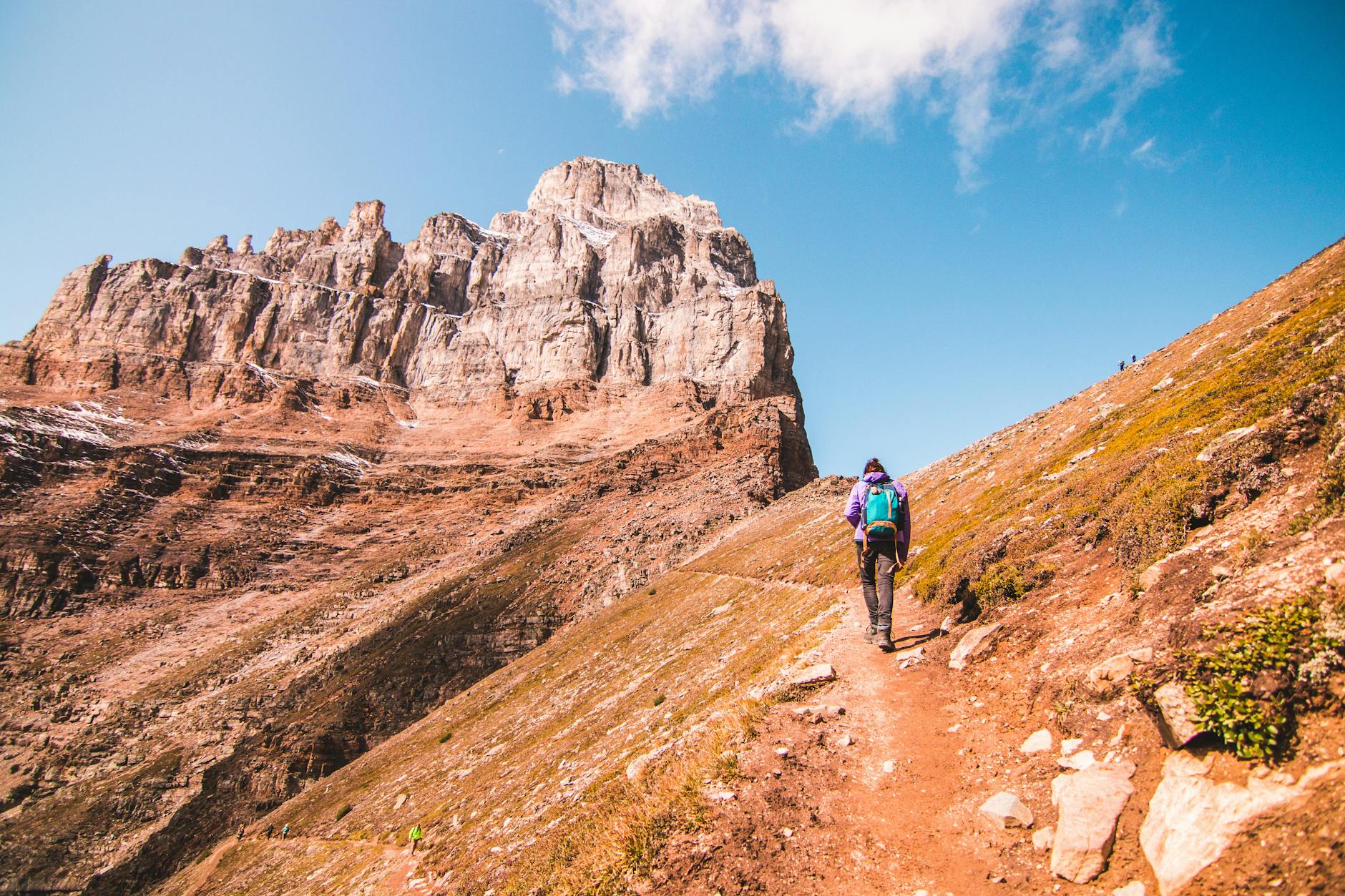
Discover the Best Hiking Trails in Banff National Park
Explore breathtaking landscapes and pristine wilderness on an unforgettable adventure through Banff's iconic hiking routes.
Start Your Banff Hike!Key Takeaways
- ✓ Banff National Park is Canada's first national park, established in 1885.
- ✓ Over 1,600 km (1,000 miles) of maintained trails are available for hikers.
- ✓ The park covers 6,641 square kilometers (2,564 square miles) of mountainous terrain.
- ✓ Wildlife encounters are common; always carry bear spray and know how to use it.
How It Works
Consider your fitness level, time availability, and desired scenery. Banff offers trails from leisurely walks to strenuous multi-day expeditions.
Pack essentials like water, snacks, layers of clothing, sun protection, and a map. Check weather forecasts and trail conditions before heading out.
Maintain a safe distance from animals and never feed them. Stay on marked trails to protect fragile ecosystems and pack out everything you pack in.
Reserve campsites or lodging well in advance, especially during peak season. Some popular areas like Moraine Lake require shuttle or reservation access.
Iconic Lake Louise Hikes: Jewel of the Rockies
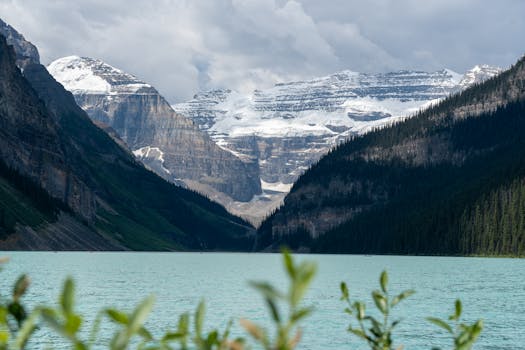 Photo: Ryan Beirne / Pexels
Moraine Lake & Valley of the Ten Peaks: A Hiker's Paradise
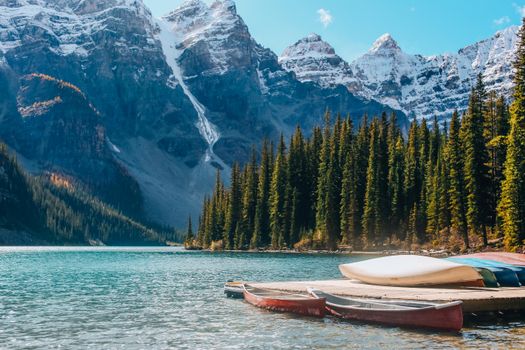 Photo: Rachel Claire / Pexels
Diverse Trails Across Banff: Beyond the Lakes
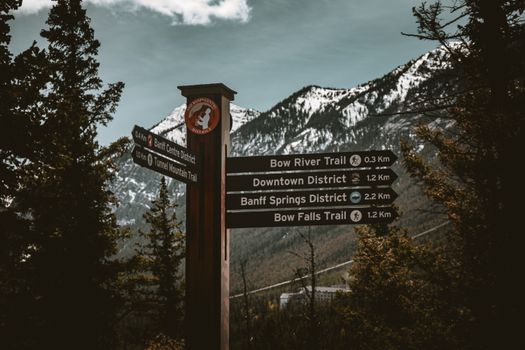 Photo: Tejvinder Singh / Pexels
Essential Tips for Hiking in Banff & Common Mistakes to Avoid
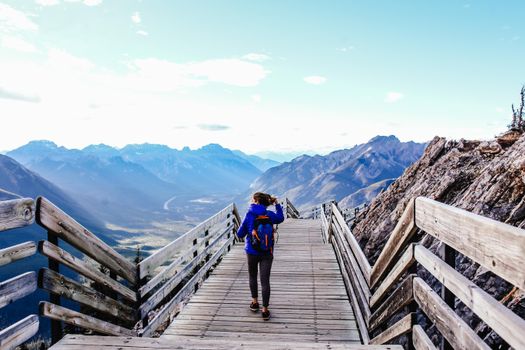 Photo: Rachel Claire / Pexels
Comparison
| Feature | Lake Agnes Teahouse | Plain of Six Glaciers | Larch Valley & Sentinel Pass | Tunnel Mountain Summit |
|---|---|---|---|---|
| Difficulty | Moderate | Moderate-Strenuous | Strenuous | Easy-Moderate |
| Distance (Round Trip) | 7 km (4.3 mi) | 13.8 km (8.6 mi) | 11.8 km (7.3 mi) | 4.8 km (3 mi) |
| Elevation Gain | 400 m (1,300 ft) | 380 m (1,247 ft) | 725 m (2,378 ft) | 266 m (873 ft) |
| Iconic Views | Lake Louise, Mirror Lake, Teahouse | Glaciers, Teahouse, Lake Louise | Larch Valley, Ten Peaks, Moraine Lake | Banff Town, Bow Valley, Mt Rundle |
| Best Season | Summer/Fall | Summer/Fall | Late Sept (Larches) | Year-round |
| Crowd Level | High | Medium-High | High (Larch season) | High |
| Teahouse Access | ✓ | ✓ | ✗ | ✗ |
What Readers Say
"The Lake Agnes Teahouse trail was absolutely stunning! The views of Lake Louise were incredible, and the teahouse itself was a charming reward. Definitely one of the best hiking trails in Banff for a moderately challenging day."
Sarah J. · Vancouver, BC"Hiking to Sentinel Pass in Larch Valley was a highlight of my trip to Banff. The golden larches were breathtaking, and the panoramic views from the pass were worth every step. An unforgettable experience."
Mark D. · Seattle, WA"We did the Plain of Six Glaciers and were amazed by the scale of the glaciers. The teahouse was a perfect break, and we felt so accomplished after completing the full loop. Truly one of the best hiking trails in Banff."
Emily R. · Toronto, ON"Tunnel Mountain is a fantastic hike if you're looking for something close to town with great views. It can get busy, but it's a solid workout and a perfect way to see Banff from above without a huge time commitment."
David L. · Calgary, AB"The Consolation Lakes trail offered such peaceful beauty away from the main Moraine Lake crowds. It was an easier walk but still provided incredible mountain scenery. Highly recommend for a serene experience."
Jessica M. · London, UKFrequently Asked Questions
What are the easiest best hiking trails in Banff?
For easy hikes, consider the Johnson Lake Loop, Bow River Loop (in Banff town), and the short Rockpile Trail at Moraine Lake. These trails typically have minimal elevation gain and well-maintained paths, making them suitable for families and casual walkers. Always wear proper footwear, even on easy trails, as conditions can be uneven.
Do I need a park pass to access the best hiking trails in Banff?
Yes, a Parks Canada Discovery Pass or a daily park pass is required for anyone visiting Banff National Park. You can purchase these online, at the park gates, or at visitor centers. The fees contribute to maintaining the park's infrastructure, including the trails and visitor services.
How do I get to Moraine Lake for hiking?
Due to restricted private vehicle access, you must use Parks Canada shuttles, Roam Public Transit, or a commercial tour operator to reach Moraine Lake. Reservations for shuttles are highly recommended and often sell out quickly. Plan your access well in advance, especially during peak season.
What is the best time of year to hike in Banff?
The best time for hiking in Banff is typically from late June to early October. July and August offer the warmest weather and full trail access, while September and early October bring cooler temperatures, fewer crowds, and the stunning golden larches. Some lower elevation trails can be hiked earlier or later, but higher alpine trails are often snow-covered until late June.
Are there any multi-day backcountry hiking options in Banff?
Yes, Banff offers several incredible multi-day backcountry hiking options, such as the Egypt Lake Trail, Skoki Loop, and the Sawback Trail. These require extensive planning, experience, proper gear, and wilderness permits, which must be reserved in advance through Parks Canada. Always consult trail conditions and bear activity reports before embarking on a multi-day trip.
Who should use the best hiking trails in Banff?
Banff's hiking trails are suitable for a wide range of visitors, from families with young children seeking leisurely strolls to experienced mountaineers looking for challenging alpine adventures. Whether you're a first-time hiker or a seasoned pro, there's a trail in Banff National Park that will match your skill level and offer breathtaking rewards.
What are the safety concerns when hiking in Banff?
Primary safety concerns include wildlife encounters (especially bears), rapidly changing weather conditions, and potential for falls on uneven terrain. Always carry bear spray, make noise on trails, stay on marked paths, tell someone your plans, and be prepared for all weather. Check Parks Canada for current warnings and conditions.
How might climate change impact future hiking experiences in Banff?
Climate change is expected to impact Banff's hiking through increased glacial melt, which can affect water crossings and trail stability, and potentially alter the timing and duration of snowmelt and wildflower seasons. Warmer temperatures may also lead to changes in wildlife patterns and increased risk of wildfires, necessitating hikers to stay informed on evolving trail conditions and park advisories.
Ready to tie up your laces and hit the dirt? With this comprehensive guide to the best hiking trails in Banff, you're well-equipped to plan an unforgettable adventure amidst the unparalleled beauty of the Canadian Rockies. Start exploring these magnificent landscapes and create memories that will last a lifetime!