✓ Banff National Park is Canada's oldest national park, established in 1885.
✓ The park encompasses over 6,641 square kilometers of mountainous terrain.
✓ Over 1,600 km of maintained trails are available for hiking in Banff.
✓ Wildlife sightings are common, including elk, bears, and bighorn sheep.
How It Works
1
Choose Your Difficulty
Banff offers trails for all skill levels, from gentle lakeside strolls to strenuous alpine expeditions. Consider your fitness and experience before selecting a route.
2
Prepare for the Mountains
Weather in the Rockies can change rapidly, even in summer. Pack layers, sturdy footwear, water, snacks, and bear spray. Always check trail conditions before you go.
3
Respect Wildlife and Nature
Maintain a safe distance from animals and never feed them. Stay on marked trails to protect fragile ecosystems and pack out everything you pack in, leaving no trace.
4
Enjoy the Views
Immerse yourself in the unparalleled beauty of the Canadian Rockies. Take your time, breathe the fresh mountain air, and capture memories of your incredible hiking adventure.
Iconic Lake Louise Hikes and Nearby Gems
Photo: Ryan Beirne / Pexels
Lake Louise, with its mesmerizing turquoise waters and dramatic Victoria Glacier backdrop, is arguably the most famous postcard image of Banff National Park. While its beauty is undeniable, its popularity means trails can be bustling, especially during peak season. However, the sheer variety and splendor of the hikes radiating from this area make it an essential stop for anyone seeking the best hiking trails Banff has to offer. For those looking for a relatively easy introduction to the area, the Lake Agnes Teahouse Trail is a quintessential Banff experience. This 7 km round trip hike with an elevation gain of around 400 meters leads to a charming rustic teahouse serving over 100 varieties of tea and freshly baked goods since 1905. The trail itself is well-maintained, offering stunning views of Lake Louise below and a picturesque waterfall along the way. It's a moderately challenging ascent, but the reward of tea and treats amidst a serene mountain setting is well worth the effort. For a more strenuous but equally rewarding challenge, continue past the Lake Agnes Teahouse to the Big Beehive. This additional 1.6 km round trip (from the teahouse) adds another 135 meters of elevation gain, culminating in panoramic views of Lake Louise and the surrounding peaks that are simply breathtaking. From the Big Beehive, you can see the Chateau Fairmont, the emerald waters, and the distant peaks stretching out before you.
Another unmissable trail from Lake Louise is the Plain of Six Glaciers Teahouse. This longer, 14 km round trip hike with approximately 365 meters of elevation gain offers a more immersive alpine experience. The trail winds through larch forests, crosses moraines, and eventually leads to a second historic teahouse, offering a different perspective of the Victoria Glacier and its six surrounding glaciers. The terrain is varied, with some rocky sections, but the views of towering peaks and the active glacier are awe-inspiring. For those seeking true solitude and a full-day adventure, combining the Lake Agnes, Big Beehive, and Plain of Six Glaciers trails creates a magnificent loop known as the Lake Louise Teahouse Challenge. This extensive trek covers significant ground and elevation but allows hikers to experience the full spectrum of Lake Louise's famous trails in one epic journey. Remember to start early, carry plenty of water, and be prepared for changing weather conditions. While these trails are popular, their beauty and the sense of accomplishment they offer make them truly stand out among the best hiking trails Banff offers. Always check trail conditions and advisories before heading out, especially during shoulder seasons. Learn more about planning your Banff adventure to ensure a safe and enjoyable trip.
Challenging Ascents and Rewarding Vistas in Banff's Backcountry
Beyond the well-trodden paths of Lake Louise, Banff National Park holds a treasure trove of more challenging hikes that lead to truly spectacular, often less crowded, viewpoints. These trails demand a higher level of fitness and preparation but promise unparalleled rewards for the adventurous spirit seeking the best hiking trails Banff can deliver. One such iconic and demanding trek is the Ha Ling Peak trail. Located near Canmore, just outside the Banff townsite, this 7.2 km round trip hike boasts a staggering 760 meters of elevation gain over a relatively short distance, making it a steep and physically demanding climb. The trail zigzags relentlessly upwards through switchbacks, but the effort is handsomely repaid at the summit with a 360-degree panoramic view of the Bow Valley, Ha Ling Lake, and the surrounding Kananaskis Country peaks. The exposed nature of the summit means hikers should be prepared for strong winds and cooler temperatures, even on a warm day. It's a popular choice for sunrise or sunset hikes for those seeking dramatic light.
For a truly alpine experience, the Sentinel Pass via Larch Valley trail from Moraine Lake is a must-do, particularly in late September when the larches turn a brilliant golden hue. This 11.6 km round trip hike with 725 meters of elevation gain takes you through a stunning valley dotted with ancient larch trees, past multiple turquoise lakes, and up to Sentinel Pass, one of the highest maintained passes in Banff National Park. The views from the pass overlooking Paradise Valley on one side and the Valley of the Ten Peaks on the other are simply breathtaking. Due to its popularity, especially during larch season, access to Moraine Lake road is restricted, often requiring shuttle bus reservations or early morning visits. This hike is often rated as difficult due to its length and significant elevation gain, but the scenery is nothing short of magical.
Another challenging gem for experienced hikers is the Cory Pass-Mount Edith Circuit. This strenuous 13 km loop with an elevation gain of 1000 meters offers incredible views of the Bow Valley and the unique rock formations of the Ghost River Wilderness Area. The initial ascent to Cory Pass is steep and relentless, leading to an exposed traverse along the mountain's flank. This trail is not for the faint of heart and involves some scrambling and exposure to heights, making it suitable only for those with good fitness and a head for heights. However, the dramatic landscapes, the sense of accomplishment, and the relative solitude compared to more popular trails make it one of the most rewarding and arguably the best hiking trails Banff has for advanced adventurers. Always carry bear spray, know how to use it, and inform someone of your hiking plans when venturing into the backcountry. Always check weather forecasts and trail reports, as conditions can change rapidly in the mountains.
Family-Friendly Walks and Accessible Trails in Banff
Banff National Park isn't just for seasoned mountaineers; it's a wonderland for families and those seeking more leisurely strolls amidst stunning natural beauty. The park offers a fantastic selection of accessible and easy trails that allow everyone to experience the magic of the Canadian Rockies. These trails are perfect for families with young children, seniors, or anyone looking for a relaxing day outdoors. One of the most popular and accessible options is the Johnston Canyon trail. This iconic walk features a series of catwalks bolted directly into the canyon walls, leading visitors through a dramatic gorge with multiple waterfalls. The lower falls are a relatively easy 1.1 km walk (one-way) from the trailhead, while the upper falls are a further 1.6 km. The entire 5.4 km round trip to the upper falls is considered moderate due to some uphill sections, but the path is well-maintained and provides an immersive experience within the canyon. In winter, the frozen falls transform into a magical ice palace, making it a year-round attraction.
For a truly easy and picturesque walk, the Fenland Trail, located just outside the town of Banff, is an excellent choice. This 2.1 km loop trail winds through a beautiful forest and wetland area, offering peaceful views of the Vermilion Lakes and occasional wildlife sightings, including elk and various bird species. It's flat, paved in some sections, and ideal for strollers or those with mobility challenges. It's a serene escape that feels worlds away from the bustling town, making it one of the best hiking trails Banff has for a gentle nature immersion. The Bow River Loop, also easily accessible from Banff town, offers another fantastic option. This 5.6 km loop takes you along the scenic Bow River, past Bow Falls, and offers views of the iconic Fairmont Banff Springs Hotel. The trail is mostly flat and paved, making it perfect for a leisurely stroll, cycling, or even a picnic by the river.
Another family favorite is the Tunnel Mountain Trail. While a bit more strenuous than Fenland or Bow River, this 4.3 km round trip hike with a moderate 266-meter elevation gain is known as Banff's 'smallest mountain.' The well-graded trail offers fantastic views of the Banff townsite, the Bow Valley, and the surrounding peaks. It's a perfect option for families with older children or those looking for a relatively quick uphill workout with rewarding panoramic views. Many of these easier trails are also dog-friendly, making them perfect for furry companions. Always ensure your dog is on a leash and you clean up after them. Remember to pack snacks and water, even for shorter hikes, and wear comfortable walking shoes. These accessible options ensure that everyone can experience the unparalleled beauty and fresh air of the Canadian Rockies, solidifying their place among the best hiking trails Banff offers for all ages and abilities. Discover more about accessible travel in national parks for a seamless experience.
Essential Tips for Hiking Safely and Responsibly in Banff
Hiking in Banff National Park is an unforgettable experience, but the mountain environment demands respect and preparation. To ensure your adventure is safe, enjoyable, and sustainable, follow these essential tips.
**Planning Your Trip:**
* **Check Trail Conditions:** Before heading out, always consult Parks Canada's trail reports for closures, advisories (e.g., bear activity, wildlife corridors), and weather forecasts. Conditions can change rapidly.
* **Know Your Limits:** Choose trails appropriate for your fitness level and experience. Don't overestimate your abilities, especially on longer or more challenging routes.
* **Tell Someone Your Plans:** Inform a friend or family member of your itinerary, including your chosen trail, expected return time, and who you're with.
**What to Pack:**
* **Layers of Clothing:** Mountain weather is unpredictable. Pack waterproof and windproof outer layers, insulating layers, and moisture-wicking base layers.
* **Sturdy Footwear:** Hiking boots with good ankle support are crucial for varied terrain.
* **Water and Snacks:** Carry more water than you think you'll need. High-energy snacks are vital for maintaining energy levels.
* **Bear Spray:** This is non-negotiable in bear country. Know how to use it and carry it in an accessible place. Make noise while hiking to avoid surprising wildlife.
* **First-Aid Kit:** A basic kit for minor injuries is essential.
* **Navigation:** A map, compass, or GPS device (and knowing how to use them) is important, even on well-marked trails.
**On the Trail:**
* **Stay on Marked Trails:** This protects fragile ecosystems, prevents erosion, and keeps you safe from hazards.
* **Leave No Trace:** Pack out everything you pack in. Do not pick wildflowers or disturb natural elements.
* **Wildlife Etiquette:** Maintain a safe distance from all wildlife (at least 30 meters for large animals like elk, 100 meters for bears). Never feed animals. If you encounter a bear, remain calm, make yourself look big, and back away slowly. Do not run.
* **Group Size:** Parks Canada often recommends hiking in groups of four or more in certain areas to reduce the risk of bear encounters.
* **Sun Protection:** Even on cloudy days, UV radiation is strong at higher elevations. Wear sunscreen, a hat, and sunglasses.
Adhering to these guidelines will not only enhance your personal safety but also contribute to the preservation of Banff's stunning natural environment for future generations. Embrace the adventure responsibly!
Comparison
Feature
Lake Agnes Teahouse
Ha Ling Peak
Johnston Canyon Lower Falls
Sentinel Pass
Difficulty
Moderate
Difficult
Easy
Difficult
Round Trip Distance
7 km
7.2 km
2.2 km
11.6 km
Elevation Gain
400 m
760 m
30 m
725 m
Iconic Views
✓
✓
✓
✓
Crowd Level (Peak Season)
High
Medium-High
High
High (Larch Season)
Best for
Classic Banff experience
Panoramic challenge
Family-friendly stroll
Alpine Larch views
What Readers Say
★★★★★
"The Lake Agnes Teahouse trail was everything I hoped for and more! The views of Lake Louise were incredible, and the teahouse itself was such a charming reward. Definitely one of the best hiking trails Banff offers for a moderate challenge."
Sarah J. · Seattle, WA
★★★★★
"Ha Ling Peak pushed my limits, but the 360-degree views from the summit were absolutely worth every step. It's a challenging climb, but if you're looking for an epic reward, this is one of the best hiking trails Banff has for that."
Mark D. · Toronto, ON
★★★★★
"We took our kids to Johnston Canyon, and they loved the catwalks and waterfalls. It was an easy, engaging hike for the whole family, and we even saw some deer. A perfect introduction to the best hiking trails Banff has for younger adventurers."
Emily P. · Calgary, AB
★★★★★
"Sentinel Pass during larch season was stunning, truly breathtaking golden trees. It was very crowded, which detracted slightly from the wilderness feel, but the views were undeniably spectacular. Still a top contender for the best hiking trails Banff has to offer."
David L. · London, UK
★★★★★
"As an experienced hiker, the Cory Pass-Mount Edith Circuit offered an exhilarating challenge with incredible, rugged scenery. It’s less trafficked than some of the other spots, which made the experience even more special. One of the best hiking trails Banff has for serious adventurers."
Jessica R. · Vancouver, BC
Frequently Asked Questions
What are the absolute best hiking trails Banff has for beginners?
For beginners, the Johnston Canyon Lower Falls, Fenland Trail, and parts of the Bow River Loop are excellent choices. They are relatively flat, well-maintained, and offer beautiful scenery without significant elevation gain. Tunnel Mountain is also a great option for a slightly more challenging but rewarding beginner-friendly hike with great views.
Is it safe to hike alone in Banff National Park?
While many people hike alone, it's generally recommended to hike with a partner or in a group in Banff, especially in backcountry areas, due to wildlife encounters (bears, cougars) and the potential for accidents. Always carry bear spray, know how to use it, and inform someone of your itinerary if you do choose to hike solo.
How do I access popular trailheads like Moraine Lake during peak season?
During peak season (June to mid-October), personal vehicle access to Moraine Lake Road is restricted. You'll need to use Parks Canada shuttles from Lake Louise Ski Resort, ROAM Public Transit, or book a private shuttle or tour operator. Reservations for shuttles are highly recommended and often essential.
What is the best time of year to experience the best hiking trails Banff offers?
The best time for hiking in Banff is generally from late June to early October. July and August offer warm weather and full trail access. Early to mid-September is magical for larch season, when alpine larches turn golden, but trails can be very busy. Shoulder seasons (May/early June, late October) can have snow or ice at higher elevations.
Are there any permits or fees required to hike in Banff National Park?
Yes, a Parks Canada Discovery Pass or a daily park pass is required for every visitor to Banff National Park. These fees contribute to the maintenance of facilities, trails, and conservation efforts. You can purchase passes online, at park gates, or at visitor centers.
Who should avoid certain difficult hiking trails in Banff?
Individuals with limited hiking experience, poor physical fitness, fear of heights, or those unprepared for rapid weather changes should avoid difficult trails like Ha Ling Peak, Sentinel Pass, or Cory Pass. These trails often involve significant elevation gain, uneven terrain, and exposed sections.
What should I do if I encounter a bear on a hiking trail?
If you encounter a bear, remain calm. Make noise to identify yourself, slowly wave your arms, and make yourself look as large as possible. If the bear doesn't retreat, slowly back away without running. Have bear spray readily accessible and know how to use it. Never approach or feed wildlife.
How might climate change impact the best hiking trails Banff offers in the future?
Climate change is expected to bring warmer temperatures, altered precipitation patterns, and glacier melt, potentially affecting trail conditions, increasing rockfall risk, and impacting alpine ecosystems. Changes in snowpack and water levels could also influence access and safety on certain trails, requiring ongoing adaptation by park management and hikers.
Ready to lace up your boots and explore the breathtaking Canadian Rockies? Our guide to the best hiking trails Banff has to offer provides all the insights you need to plan your perfect adventure. Start your journey today and create unforgettable memories amidst the majestic landscapes of Banff National Park!
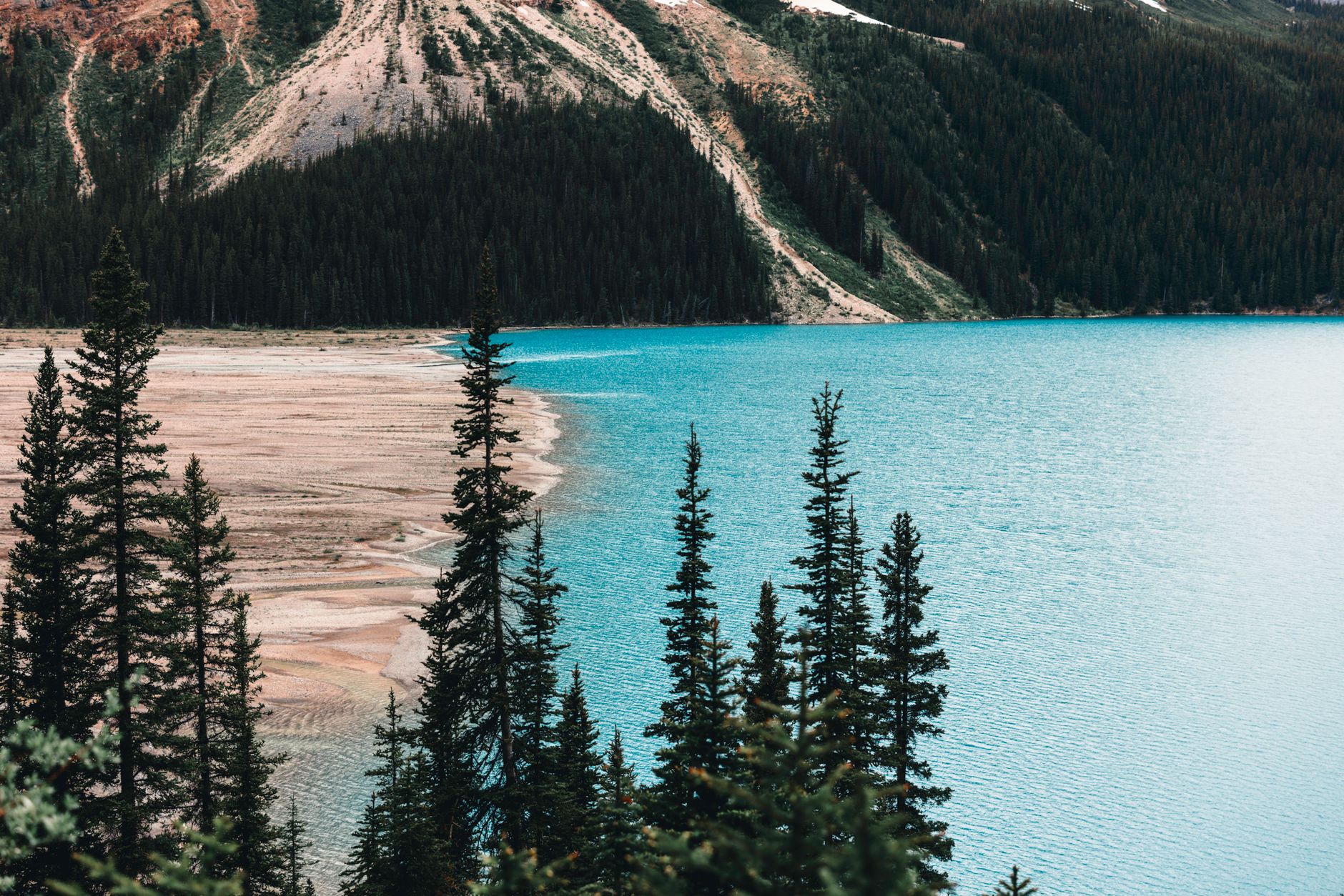
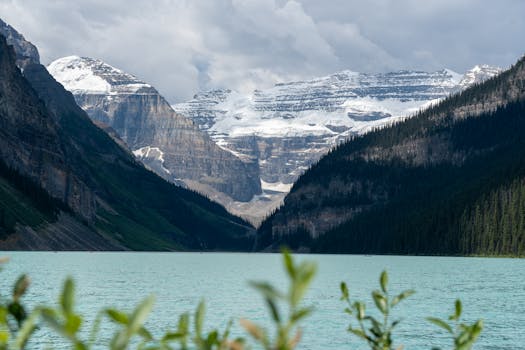 Photo: Ryan Beirne / Pexels