Discover the Best Canadian National Parks to Visit
best canadian national parks to visit

Discover the Best Canadian National Parks to Visit

Uncover Canada's most spectacular natural wonders, from towering mountains to pristine coastlines, for your next unforgettable adventure.

Plan Your Escape

Key Takeaways

  • ✓ Canada boasts 37 national parks and 10 national park reserves.
  • ✓ Banff National Park is Canada's oldest national park, established in 1885.
  • ✓ National parks protect over 340,000 square kilometers of land and marine ecosystems.
  • ✓ Many parks offer diverse activities, from hiking and kayaking to wildlife viewing and cultural experiences.

How It Works

1
Choose Your Adventure Style

Consider what kind of experience you seek: rugged backcountry, accessible family fun, or cultural immersion. Canada's parks cater to every preference.

2
Research Specific Parks

Dive into details about your chosen parks, including best times to visit, available activities, and necessary permits or reservations. This ensures a smooth trip.

3
Book Accommodations & Permits

Many popular parks require advance bookings for campsites, backcountry permits, or even day-use passes. Secure these well in advance, especially for peak season.

4
Prepare & Pack Accordingly

Check weather forecasts, pack appropriate gear for your activities, and familiarize yourself with 'Leave No Trace' principles. Being prepared enhances your experience and protects the environment.

Exploring the Iconic Rocky Mountain National Parks

Canoes on the turquoise waters of Lake Louise surrounded by lush mountains in summer. Photo: Andrew Patrick Photo / Pexels
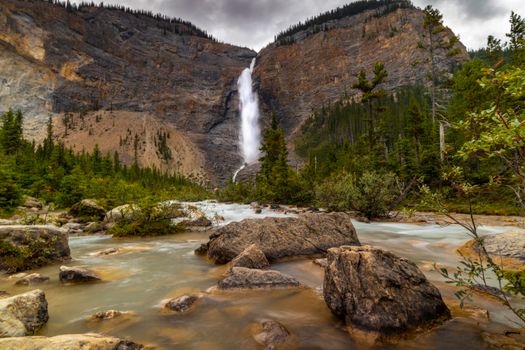
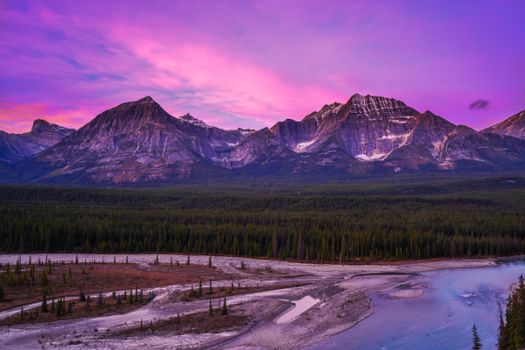
The Canadian Rockies are an undisputed jewel in Canada's crown, home to some of the most spectacular and best Canadian national parks to visit. This region, a UNESCO World Heritage site, encompasses Banff, Jasper, Kootenay, and Yoho National Parks, each offering a unique blend of towering peaks, turquoise lakes, ancient glaciers, and abundant wildlife. Banff National Park, Canada's first national park, is perhaps the most famous, drawing millions with its iconic Lake Louise, Moraine Lake, and the bustling town of Banff itself. Here, visitors can embark on world-class hikes like the Plain of Six Glaciers, paddle across emerald waters, or simply soak in the majestic scenery from scenic drives like the Icefields Parkway. Wildlife sightings are common, with elk, bighorn sheep, and even bears often spotted from a safe distance. The park also offers diverse winter activities, from skiing at world-renowned resorts like Lake Louise Ski Resort and Sunshine Village to ice skating on frozen lakes. Its accessibility and wide range of amenities make it a perfect starting point for many, but its popularity also means planning well in advance is crucial, especially for accommodations and popular trails. Just north of Banff lies Jasper National Park, the largest national park in the Canadian Rockies. Jasper offers a slightly wilder, less crowded experience while still delivering breathtaking landscapes. Highlights include Maligne Lake (home to Spirit Island, a truly iconic Canadian image), the Athabasca Falls, and the Columbia Icefield, where you can take an Ice Explorer onto the Athabasca Glacier. Jasper is also a designated Dark Sky Preserve, making it an incredible destination for stargazing. The town of Jasper provides a charming base for exploration, with plenty of shops and restaurants. The Icefields Parkway, connecting Banff and Jasper, is consistently ranked among the world's most scenic drives, offering countless viewpoints, hiking opportunities, and chances to spot wildlife along its 232-kilometer stretch. Kootenay National Park, though often overshadowed by its more famous neighbours, provides stunning canyon hikes and hot springs, while Yoho National Park is home to the majestic Takakkaw Falls and the mysterious Burgess Shale fossil beds. Each of these parks contributes to the unparalleled grandeur of the Rocky Mountains, offering endless opportunities for adventure and connection with nature. For those seeking unforgettable outdoor adventures, these parks are a must-see. Remember to purchase a Parks Canada pass, which grants access to all these incredible destinations, and always check for trail conditions and wildlife advisories before heading out.

Coastal Wonders and Maritime Marvels

A woman stands on a rocky cliff edge, enjoying the scenic waterfall view. Photo: Erik Mclean / Pexels
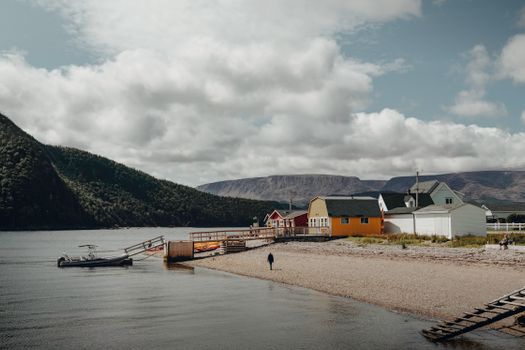
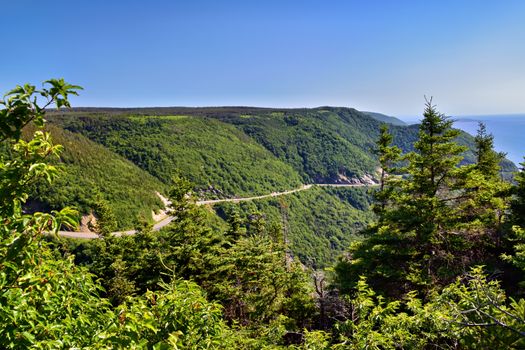
Beyond the soaring peaks, Canada's extensive coastlines offer an entirely different, yet equally captivating, set of national parks, making them some of the best Canadian national parks to visit for marine and coastal enthusiasts. On the Pacific coast, Pacific Rim National Park Reserve on Vancouver Island, British Columbia, is a spectacular blend of rugged coastline, ancient temperate rainforests, and rich Indigenous culture. Divided into three distinct units – Long Beach, the Broken Group Islands, and the West Coast Trail – it caters to a variety of visitors. Long Beach is famous for its expansive sandy shores, perfect for surfing, storm watching, and beachcombing. The Broken Group Islands are a kayaker's paradise, a labyrinth of small islands and islets accessible by boat, offering unparalleled opportunities for multi-day paddling adventures and wildlife viewing, including seals, sea lions, and even whales. The West Coast Trail, a challenging multi-day backpacking route, draws experienced hikers from around the globe, offering an immersive journey through dense forests, along dramatic cliffs, and across pristine beaches. The park is also deeply intertwined with the Nuu-chah-nulth First Nations, whose cultural heritage is integral to the land and sea. Moving to the Atlantic, Gros Morne National Park in Newfoundland and Labrador is another UNESCO World Heritage site and a geological marvel. Its dramatic fjords, carved by glaciers, and the striking Tablelands, an exposed piece of the Earth's mantle, offer a unique landscape that tells the story of continental drift. Hiking the challenging Gros Morne Mountain offers panoramic views, while boat tours through Western Brook Pond fjord are an absolute highlight, revealing towering cliffs and waterfalls. The park's diverse ecosystems support a variety of wildlife, including moose, caribou, and black bears. Its charming coastal communities add to its appeal, offering a glimpse into Newfoundland's unique culture and hospitality. Further east, Cape Breton Highlands National Park in Nova Scotia is renowned for its breathtaking Cabot Trail, one of the world's most scenic drives. This park encompasses a rugged coastline, lush forests, and high plateaus, where the mountains meet the sea. Hiking trails range from easy strolls to challenging climbs, many offering spectacular ocean views and opportunities to spot whales offshore. The Skyline Trail, a relatively easy loop, provides iconic vistas of the Gulf of St. Lawrence. The park is also a cultural hub, celebrating Acadian and Gaelic heritage through music, food, and festivals. These coastal parks showcase Canada's incredible diversity, inviting visitors to experience the raw power and serene beauty of its maritime landscapes, whether by land or by sea.

Wilderness Immersion in the North and Central Regions

A man with a backpack exploring the scenic river landscape in Port Alberni, BC, Canada. Photo: Ali Kazal / Pexels
For those seeking truly immersive wilderness experiences, Canada's national parks extend far into its northern and central regions, offering unique encounters with untouched landscapes and diverse ecosystems. These parks are often less visited than their Rocky Mountain counterparts, providing a sense of solitude and a deeper connection to nature, cementing their status among the best Canadian national parks to visit for intrepid travellers. Pukaskwa National Park, located on the northern shore of Lake Superior in Ontario, is a prime example. This park protects a vast area of boreal forest, rugged coastline, and pristine waterways, offering a challenging yet incredibly rewarding experience for backcountry enthusiasts. The Coastal Hiking Trail, a multi-day trek, winds along Lake Superior's dramatic shoreline, past sandy beaches, ancient rock formations, and dense forests. Sea kayaking and canoeing are popular ways to explore its countless coves and islands, providing opportunities to spot moose, wolves, and various bird species. Pukaskwa is also rich in Indigenous history, with ancient pictographs and cultural sites scattered throughout the park, offering a glimpse into the spiritual connection between the Anishinaabe people and this land. Further north, in the vast expanse of the Northwest Territories, lies Nahanni National Park Reserve, a UNESCO World Heritage site that embodies untamed wilderness. This remote park is characterized by its four immense canyons, dramatic waterfalls (including the magnificent Virginia Falls, twice the height of Niagara Falls), and the wild South Nahanni River. Access is primarily by float plane, underscoring its remote and pristine nature. Canoe and raft trips down the South Nahanni River are the most popular way to explore the park, offering an unparalleled adventure through some of Canada's most spectacular and rugged scenery. Wildlife abounds, including grizzly bears, Dall's sheep, and mountain goats. Nahanni offers an experience unlike any other, a true journey into the heart of the Canadian wilderness, demanding respect for its raw power and beauty. It's a testament to Canada's commitment to preserving vast tracts of land for future generations. For a different but equally profound experience, consider exploring the diverse landscapes of Canada's interior, where parks like Riding Mountain National Park in Manitoba offer a unique blend of prairie, forest, and lakes, supporting populations of bison, elk, and black bears. These northern and central parks are not just destinations; they are expeditions, promising profound encounters with the wild and a chance to truly disconnect from the modern world.

Planning Your Adventure: Tips for Visiting Canadian National Parks

Hiker with backpack trekking through the colorful fall landscape of Jasper National Park, Canada. Photo: Ali Kazal / Pexels
Visiting Canada's national parks requires some foresight and preparation to ensure a safe, enjoyable, and environmentally responsible trip. Here are essential tips to enhance your experience: * **Purchase a Parks Canada Pass:** For multiple park visits or extended stays, an annual Discovery Pass is usually the most economical option. It provides unlimited admission to all national parks, national historic sites, and national marine conservation areas for one year. You can purchase it online or at park gates. * **Book Accommodations Early:** Especially for popular parks like Banff and Jasper during peak season (June to September), campsites, cabins, and hotel rooms book up months in advance. Utilize the Parks Canada reservation system for campsites as soon as the booking window opens. * **Respect Wildlife:** Canada's national parks are home to diverse wildlife. Maintain a safe distance, never feed animals, and store food properly to avoid attracting bears and other creatures. Carry bear spray and know how to use it in bear country. * **Leave No Trace Principles:** Practice the 'Leave No Trace' philosophy: pack out everything you pack in, stay on marked trails, dispose of waste properly, and minimize your impact on the environment. This helps preserve these pristine areas for everyone. * **Check Conditions and Advisories:** Before heading out, always check the Parks Canada website for your specific park for current trail conditions, weather forecasts, fire bans, and any wildlife warnings or closures. Conditions can change rapidly, especially in mountainous or coastal regions. * **Pack Appropriately:** Weather in Canada can be unpredictable. Dress in layers, bring rain gear, sturdy hiking boots, and plenty of water and snacks. Sun protection is also crucial. * **Consider Off-Peak Travel:** If possible, consider visiting during shoulder seasons (late spring or early fall) for fewer crowds, potentially lower prices, and often stunning scenery with changing foliage or blooming wildflowers. Some facilities or roads may be closed during winter, so check in advance. * **Safety First:** Inform someone of your itinerary, especially if undertaking backcountry trips. Carry a first-aid kit, a map, compass or GPS, and know your limits. Cell service can be unreliable in many remote areas. * **Embrace the Local Culture:** Many parks are located near vibrant communities. Take time to explore local towns, try regional cuisine, and learn about the Indigenous history and culture of the area.

Comparison

FeatureBanff National ParkGros Morne National ParkPacific Rim National Park Reserve
LandscapeMountains, lakes, glaciersFjords, Tablelands, coastalRainforest, rugged coast, islands
Key ActivitiesHiking, skiing, paddling, scenic drivesHiking, boat tours, geologySurfing, kayaking, hiking, cultural tours
Crowd Level (Peak)Very HighMediumHigh
Wildlife SpottingElk, bighorn sheep, bearsMoose, caribou, black bearsSeals, whales, eagles
AccessibilityVery HighMediumHigh
Best forIconic views, diverse activitiesUnique geology, coastal explorationCoastal adventure, rainforest immersion

What Readers Say

"Visiting the best Canadian national parks to visit was a dream come true! Banff and Jasper blew me away with their turquoise lakes and towering peaks. Every moment felt like a postcard."

Sarah L. · Toronto, ON

"Gros Morne National Park was an unexpected gem. The boat tour through Western Brook Pond fjord was absolutely breathtaking, truly one of the best Canadian national parks to visit for unique landscapes."

David M. · Seattle, WA

"The West Coast Trail in Pacific Rim National Park Reserve challenged me physically but rewarded me with incredible views and an unforgettable wilderness experience. It perfectly showcased why these are the best Canadian national parks to visit for adventure."

Emily R. · Vancouver, BC

"While Banff can be crowded, the sheer beauty makes it worth it. We found quieter trails early in the morning and had some truly magical wildlife encounters, solidifying its place among the best Canadian national parks to visit."

Mark J. · Calgary, AB

"My family and I explored Cape Breton Highlands National Park, and the Cabot Trail was simply stunning. The blend of ocean views and hiking trails made it an ideal family vacation, proving it's one of the best Canadian national parks to visit for all ages."

Jessica P. · London, UK

Frequently Asked Questions

What is the best time of year to visit Canadian National Parks?

The best time largely depends on your desired activities. Summer (June to early September) offers the warmest weather, full access to all trails and facilities, and is ideal for hiking, camping, and water sports. However, it's also the busiest. Shoulder seasons (late spring/early fall) offer fewer crowds, potentially lower prices, and beautiful scenery (wildflowers or fall foliage), though some higher elevation trails or facilities might be closed. Winter offers unique opportunities for skiing, snowboarding, and ice skating.

Do I need a pass to enter Canadian National Parks?

Yes, a Parks Canada pass is required for entry into all national parks. You can purchase a daily pass or an annual Discovery Pass, which offers unlimited admission for a full year to all national parks, national historic sites, and national marine conservation areas. It's often more economical if you plan to visit multiple parks or stay for an extended period.

How do I book campsites or accommodations in Canadian National Parks?

Campsites in popular national parks can be reserved online through the Parks Canada Reservation Service. Booking windows typically open in January for the upcoming summer season and fill up very quickly, especially for popular parks like Banff and Jasper. For other accommodations like hotels or cabins within or near the parks, you'll need to book directly with the providers, often well in advance.

What is the average cost of visiting Canadian National Parks?

The cost varies significantly based on duration, activities, and accommodation choices. A Discovery Pass costs around CAD $75 for an adult or CAD $145 for a family/group annually. Daily passes are also available. Accommodation can range from CAD $30-50 per night for a campsite to CAD $200-500+ for hotels. Activities like guided tours, boat trips, or equipment rentals will add to the cost. Budgeting for food, fuel, and potential permits is also essential.

How do Canadian National Parks compare to US National Parks?

Both Canadian and US National Parks offer spectacular natural beauty and diverse recreational opportunities. Canadian parks are often praised for their vast, untamed wilderness, slightly fewer crowds in some areas, and unique geological features like the Canadian Rockies' turquoise lakes and Newfoundland's fjords. US parks, particularly those in the Southwest, are known for their dramatic canyons and desert landscapes. Both systems prioritize conservation and offer excellent visitor services, but Canadian parks often feel a bit more remote and expansive in certain regions.

Who should visit the best Canadian national parks to visit?

Anyone with a love for nature, outdoor adventure, and breathtaking landscapes should consider visiting the best Canadian national parks. They are ideal for hikers, campers, wildlife enthusiasts, photographers, families seeking memorable experiences, and solo travelers looking for solitude. Whether you're an avid adventurer or prefer scenic drives and accessible viewpoints, there's a Canadian national park tailored to your interests.

What are the safety considerations when visiting Canadian National Parks?

Safety is paramount. Be prepared for variable weather, carry appropriate gear, and inform others of your plans, especially for backcountry trips. Wildlife encounters are possible; know how to react to bears and other animals. Stay on marked trails, carry a first-aid kit, and be aware that cell service is often limited or nonexistent in remote areas. Always check park-specific advisories for current conditions and potential hazards.

Are there any future trends impacting Canadian National Parks?

Parks Canada is increasingly focusing on sustainable tourism, climate change adaptation, and reconciliation with Indigenous peoples. Visitors can expect to see more emphasis on eco-friendly practices, enhanced Indigenous cultural experiences, and continued efforts to protect ecosystems from the impacts of climate change. Digital tools for trip planning and reservation systems are also continuously evolving to improve visitor experience and park management.

Embark on an unforgettable journey through Canada's pristine wilderness. Whether you seek towering mountains, rugged coastlines, or serene forests, the best Canadian national parks to visit offer an adventure for every soul. Start planning your escape today and discover the unparalleled beauty that awaits.

Topics: best canadian national parks to visitcanada national parkscanadian wilderness traveliconic canadian parksparks Canada destinations
Leo List
Brampton weed
Adultwork